
Mama Bhasha Sanskritam: Sanskrit university's Census 2027 drive targets 10 crore
 By Devansh TiwariKnowledge Systems Writer, Peepals Sanskriti
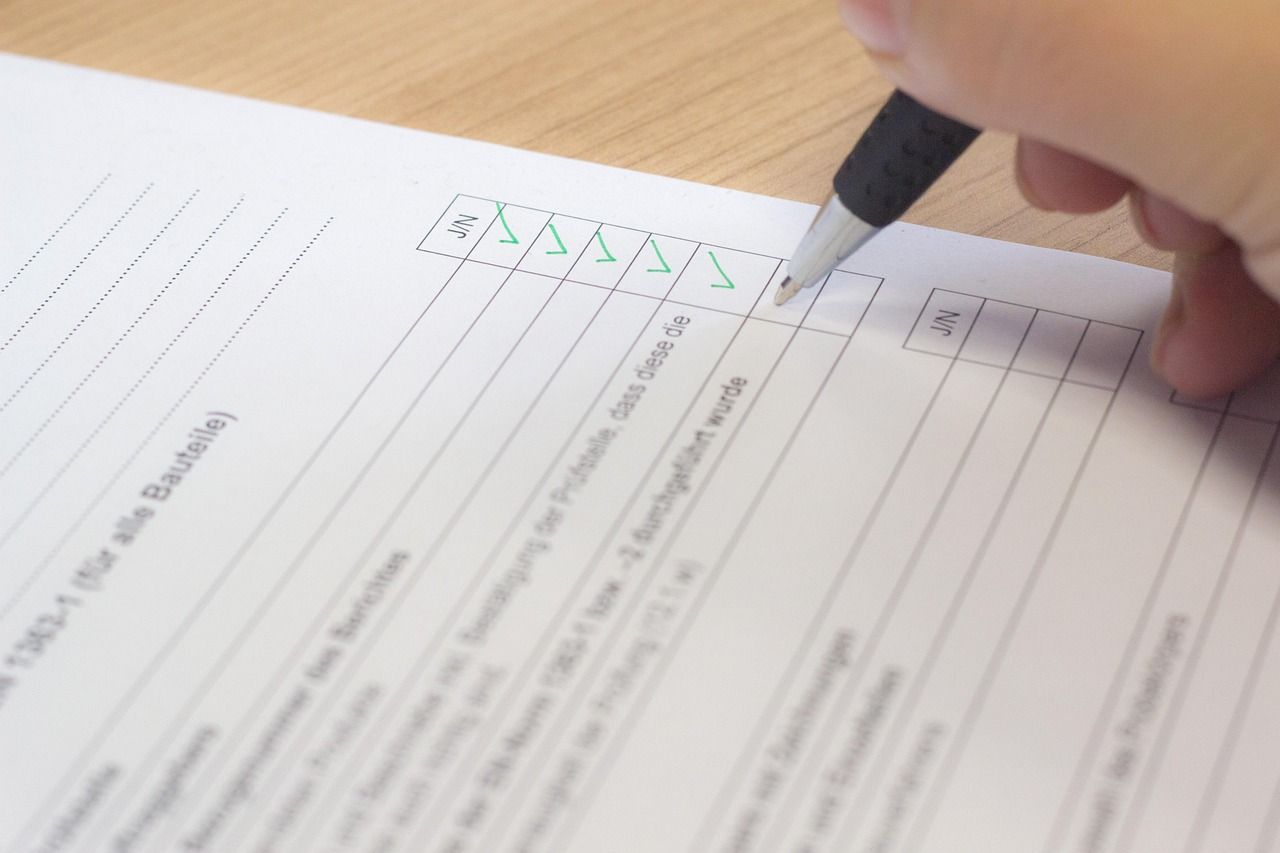
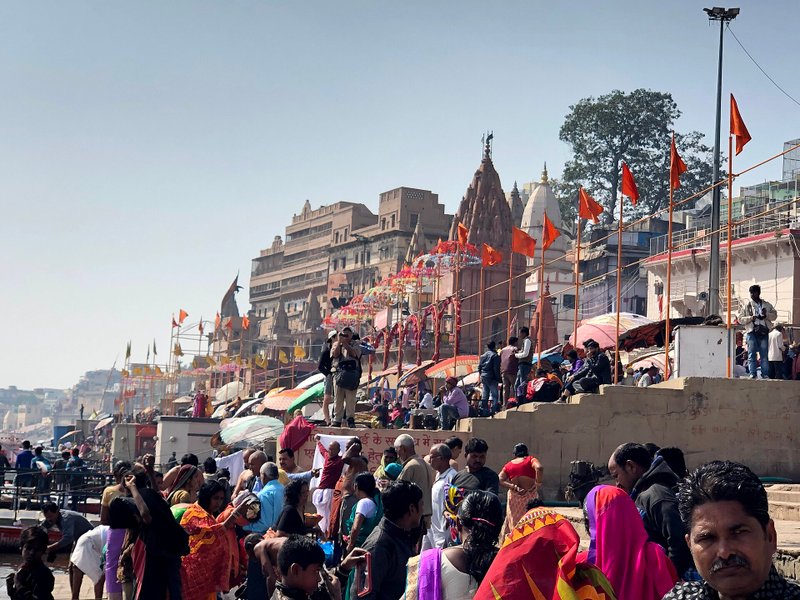
Representative image: DCG_MAK / Pixabay
Central Sanskrit University began 'Mama Bhasha Sanskritam' on 23 November 2026, urging people to list Sanskrit in Question 14 of Census 2027.
Mama Bhasha Sanskritam: what happened
Central Sanskrit University has launched a nationwide campaign called 'Mama Bhasha Sanskritam' (Sanskrit for "My language is Sanskrit") asking people to name Sanskrit in the language question of Census 2027. The drive began on Monday, 23 November 2026, and the university has set itself a target of reaching 10 crore people. Vice-Chancellor Prof. Srinivasa Varakhedi asked those whose mother tongue is Sanskrit to record it as such, and those who simply know the language to list it under other known languages, in Question 14 of the census form.
Mama Bhasha Sanskritam: key facts
- Campaign name: 'Mama Bhasha Sanskritam', run by Central Sanskrit University.
- Start: Monday, 23 November 2026.
- Target: to reach 10 crore people with the message.
- The ask: record Sanskrit as mother tongue only where it truly is one; otherwise list it among other languages known, in Question 14.
- Who carries it: the university's headquarters and campuses, its model colleges and research institutions, Sanskrit schools and colleges, teachers, students and voluntary groups, with teachers and students going door to door and messages on social media.
- Baseline: in the 2011 Census, 24,821 people gave Sanskrit as their mother tongue; that figure leaves out people who knew it only as an additional language.
- A separate drive by Shri Bhagwandas Adarsh Sanskrit Mahavidyalaya in Haridwar began around 20 November with the same request for column 14.
Mama Bhasha Sanskritam: why it matters
India's census asks every person two kinds of language questions: the mother tongue, defined as the language spoken to the person by the mother in childhood, and the other languages the person can speak or understand. The answers are grouped and published years later in the census language tables. Those tables are the main official count of who speaks what in India, and scholars, planners and language bodies use them to judge whether a language is growing, stable or fading.
For Sanskrit, the two questions tell very different stories. Very few Indians grow up speaking it at home, so the mother-tongue figure is tiny, 24,821 in 2011. Many more learn it at school, in Sanskrit colleges or through study of the scriptures and the shastras, and they show up only under other known languages. The university's appeal targets exactly this gap: it wants the second figure, the number of people who actually know the language, to be recorded fully. Prof. Varakhedi stressed that people should record their real linguistic situation rather than overstate it.
The campaign has critics. Writer and linguist G. N. Devy argued in an opinion column that promoting Sanskrit through census entries reflects misplaced pride, and doubted that reformers and thinkers such as Mahatma Gandhi, Raja Ram Mohan Roy, Rabindranath Tagore, Swami Vivekananda or Sri Aurobindo would have backed such an effort. A census, in this view, should record what people speak, not what an institution hopes they will write.
There is also a misinformation problem around the drive. A message circulating on phones claims that Sanskrit will be declared extinct, and government support stopped, if not enough people list it. A fact-checking site found no official basis for that claim. Maharashtra's Directorate General of Information and Public Relations has separately called a similar viral census message about Marathi false and told people not to believe it. The university's own appeal makes no such threat.
Peepals calculation: Reaching the campaign's target of 10 crore people would mean talking to roughly 4,000 times as many people as gave Sanskrit as their mother tongue in 2011 (100,000,000 ÷ 24,821 ≈ 4,029). Our calculation from the reported figures.
| Measure | Figure |
|---|---|
| Sanskrit as mother tongue, Census 2011 | 24,821 people |
| Campaign outreach target, 2026 | 10 crore people |
| Census question on language | Question 14 |
| Campaign launch | Monday, 23 November 2026 |
Mama Bhasha Sanskritam: impact
Short-term: Students and teachers of Sanskrit institutions will be visiting homes and public places in the coming weeks while families fill in census details. In Uttar Pradesh, for example, online self-enumeration opened on 16 November 2026 and enumerators are due to start house visits on 1 December. Readers may hear the appeal at their door or see it on social media.
Long-term: The language tables of Census 2027 will show whether the number of people who report knowing Sanskrit rises. Any rise will be read in two ways: as a sign of real learning, or as the effect of a campaign. The split between mother tongue and other known languages will matter in telling them apart.
Who is affected: Every household answering the census language question; Sanskrit teachers, students and institutions; and language researchers and planners who rely on census data.
Mama Bhasha Sanskritam: key takeaway
When the census form or enumerator reaches you, answer Question 14 honestly: Sanskrit belongs under mother tongue only if it is the language you grew up with, and under other known languages if you can speak or understand it.
Mama Bhasha Sanskritam: questions and answers
What is 'Mama Bhasha Sanskritam'?
It is a campaign launched by Central Sanskrit University on 23 November 2026 asking people to record Sanskrit in the language section of Census 2027, either as their mother tongue or as another language they know, with a target of reaching 10 crore people.
Which census question covers language?
Question 14 of the Census 2027 form covers mother tongue and other known languages. The mother tongue is the language spoken to a person by the mother in childhood; other known languages are those the person can speak or understand.
Will Sanskrit be declared extinct if few people list it?
No official source says so. A fact-checking site found no basis for a viral message making that claim, and the university's own appeal does not say it.
How many people gave Sanskrit as their mother tongue last time?
In the 2011 Census, 24,821 people reported Sanskrit as their mother tongue. That number does not include people who knew Sanskrit as a second or third language.
Disclaimer: Prepared by the Peepals newsroom from publicly available sources with AI assistance. Information is accurate to the best of our knowledge at the time of publication and may change. Images may be representative. Not professional advice. Report an error via our contact page.
By Devansh Tiwari, Knowledge Systems WriterCovers Knowledge Systems and more for Peepals Sanskriti. All stories by Devansh Tiwari
WHO Living Well: traditional medicine trust mark idea moves to wellness industry
CCRAS funds Rs 1.04 crore Ayurveda add-on trial for sickle cell pain
Your week ahead, every Sunday. Free.
Exam and result dates, IPOs opening, scheme deadlines, government holidays and the RBI decision for the next 7 days, plus the week's top stories. One email a week, unsubscribe in one click.
Devansh Tiwari is a pen name of the Peepals Global Editorial Team, which researches, fact-checks and publishes every story. The portrait is an illustration.
Responsible for this story: the Peepals Global Editorial Team. How we report