
Bangladesh garment wage: workers seek Tk 32,000, up 156%
 By Simran KaurFashion Writer, Peepals Shakti
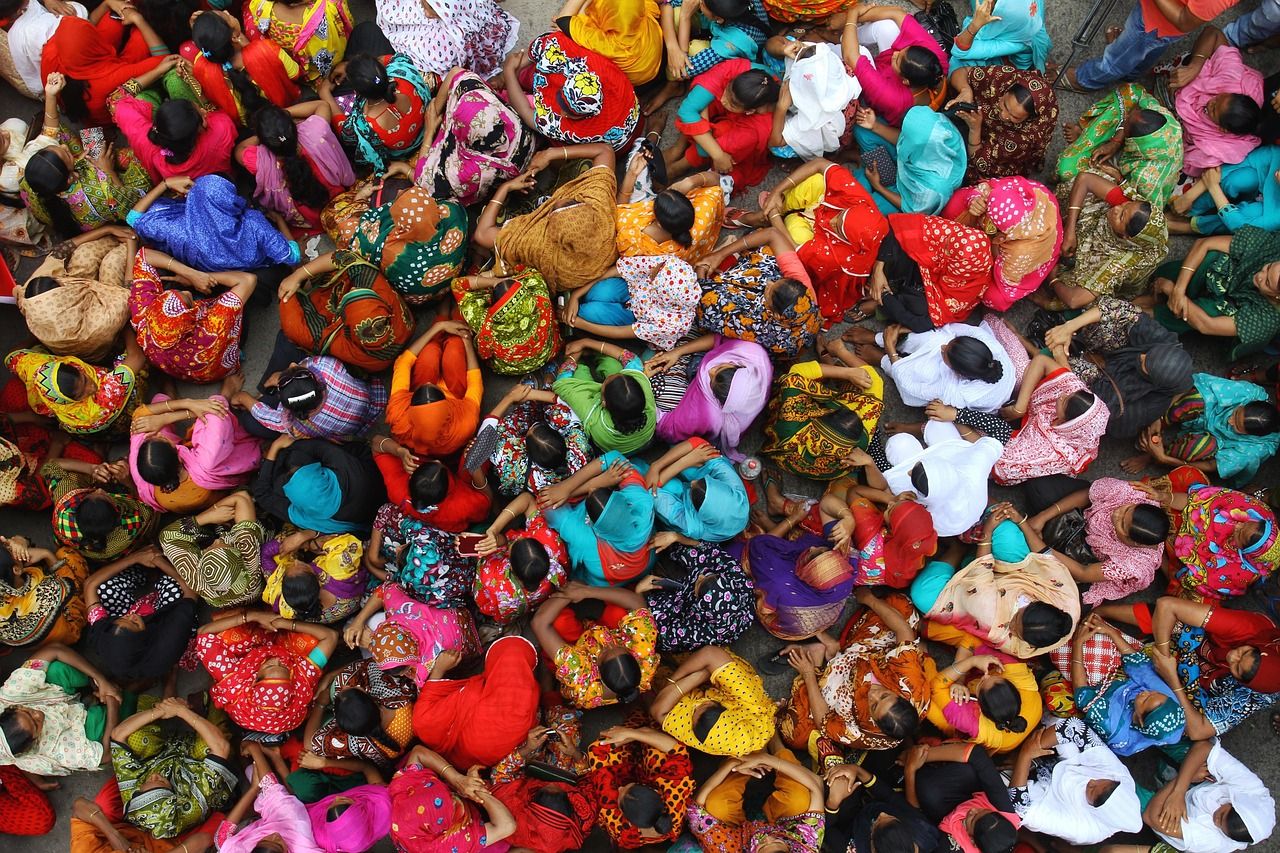
Representative image: 19661338 / Pixabay
Workers on Bangladesh's wage board proposed a Tk 32,000 monthly minimum for garment workers on 9 November 2026, up from Tk 12,500; employers yet to reply.
What Happened
Workers' representatives on Bangladesh's Minimum Wage Board proposed a minimum monthly wage of Tk 32,000 for garment workers at the board's meeting on Monday, 9 November 2026, up from the current Tk 12,500, according to reports from Dhaka. They proposed Tk 30,000 for new recruits and apprentices. The employers' representatives did not submit a proposal at the meeting; the board's chairman, Syed Azad Subhani, said they had asked for seven working days and were given four. The board was formed on 1 November after weeks of worker protests.
Bangladesh garment wage: key facts
- Proposal: Tk 32,000 a month minimum for garment workers; Tk 30,000 for new recruits and apprentices.
- Current minimum: Tk 12,500 (about $101) a month, in force since December 2023.
- Grades: the workers' side proposed a structure running from Tk 48,000 for Grade 1 down to Tk 32,000 for Grade 4.
- Employers: no proposal at the 9 November meeting; given four days to submit one, the chairman said; their side includes representatives of the garment exporters' association BGMEA and the Bangladesh Employers' Federation.
- Timeline: the board was set up on 1 November 2026, and both sides said they aim to settle the new wage structure by December.
- Background: an amendment to the Labour Act in 2026 shortened the gap between minimum wage reviews from five years to three, according to reports.
- Protests: unrest forced 529 garment factories to shut and left 987,190 workers idle, according to the employers' association's count reported at the end of October.
Bangladesh garment wage: why it matters
Bangladesh's garment factories make clothes for international fashion brands, and the protests alone idled nearly a million workers, according to employers' figures. The minimum wage sets the floor for their pay, so the board's decision affects household incomes across the country and the cost of the clothes that end up in shops in Europe, the US and elsewhere.
The gap between the two sides is likely to be wide. The workers' figure is more than two and a half times the current wage, and the employers asked for more time than the board gave them to prepare their reply. The employers' counter-proposal, due within days of the meeting, will show how far apart the two sides are. The board, which includes representatives of workers, employers, the government and a neutral member, then has to find a figure both can accept.
For the fashion industry, the outcome matters beyond Bangladesh. Brands that source there would face higher costs if wages rise sharply. Other garment-making countries, including India, compete for the same orders, so the final wage will be watched across the region.
Peepals calculation: A rise from Tk 12,500 to Tk 32,000 would be a 156% increase (32,000 ÷ 12,500 = 2.56). The Tk 30,000 proposed for new recruits is 140% more than the current minimum (30,000 ÷ 12,500 = 2.4). At the exchange rate implied by the reported figure of Tk 12,500 being about $101, the Tk 32,000 proposal equals roughly $259 a month (32,000 × 101 ÷ 12,500). Our calculation from the reported figures.
| Level | Monthly wage |
|---|---|
| Current minimum (since December 2023) | Tk 12,500 |
| Workers' proposal, new recruits | Tk 30,000 |
| Workers' proposal, minimum grade (Grade 4) | Tk 32,000 |
| Workers' proposal, Grade 1 | Tk 48,000 |
Impact
Short-term: The employers' counter-proposal is the next step. Board members also agreed to visit factories in several industrial areas before the next meeting, according to reports.
Long-term: Under the amended law, wages will be reviewed every three years instead of five, so garment workers' pay will be revised more often. The figure agreed now will set the floor until the next review.
Who is affected: Garment workers in Bangladesh and their families, factory owners and exporters, international fashion brands that buy from Bangladesh, and competing garment-making countries.
What to watch next: The employers' wage proposal and the board's aim to finalise the new structure by December 2026.
Key Takeaway
Bangladesh's garment workers have proposed raising their minimum monthly wage from Tk 12,500 to Tk 32,000, a 156% rise, and the new wage board aims to decide by December 2026.
Questions and Answers
What minimum wage have Bangladesh garment workers proposed?
Workers' representatives on the Minimum Wage Board proposed Tk 32,000 a month on 9 November 2026, and Tk 30,000 for new recruits and apprentices, against the current Tk 12,500.
What is the current minimum wage for garment workers in Bangladesh?
Tk 12,500 a month, about $101, in force since December 2023.
When will the new garment wage be decided?
The board, formed on 1 November 2026, and both sides have said they aim to finalise the new wage structure by December 2026. Employers were given four days to submit their own proposal.
Why is the wage being reviewed now?
Weeks of protests shut hundreds of factories, and a 2026 amendment to the Labour Act shortened the review cycle from five years to three.
Disclaimer: Prepared by the Peepals newsroom from publicly available sources with AI assistance. Information is accurate to the best of our knowledge at the time of publication and may change. Images may be representative. Not professional advice. Report an error via our contact page.
By Simran Kaur, Fashion WriterCovers Fashion and more for Peepals Shakti. All stories by Simran Kaur
Mental load study: shared planning matters more to women than chores
Ilse Aigner nominated to be Germany's first woman president
Get the day's stories in your inbox
Peepals Weekly: the week decoded, free. One email a week, unsubscribe in one click.
Simran Kaur is a pen name of the Peepals Global Editorial Team, which researches, fact-checks and publishes every story. The portrait is an illustration.
Responsible for this story: the Peepals Global Editorial Team, led by editor Prashant Sonar. How we report