
Richemont results: Cartier owner's sales up 17% as jewellery grows 19%
 By Simran KaurFashion Writer, Peepals Shakti
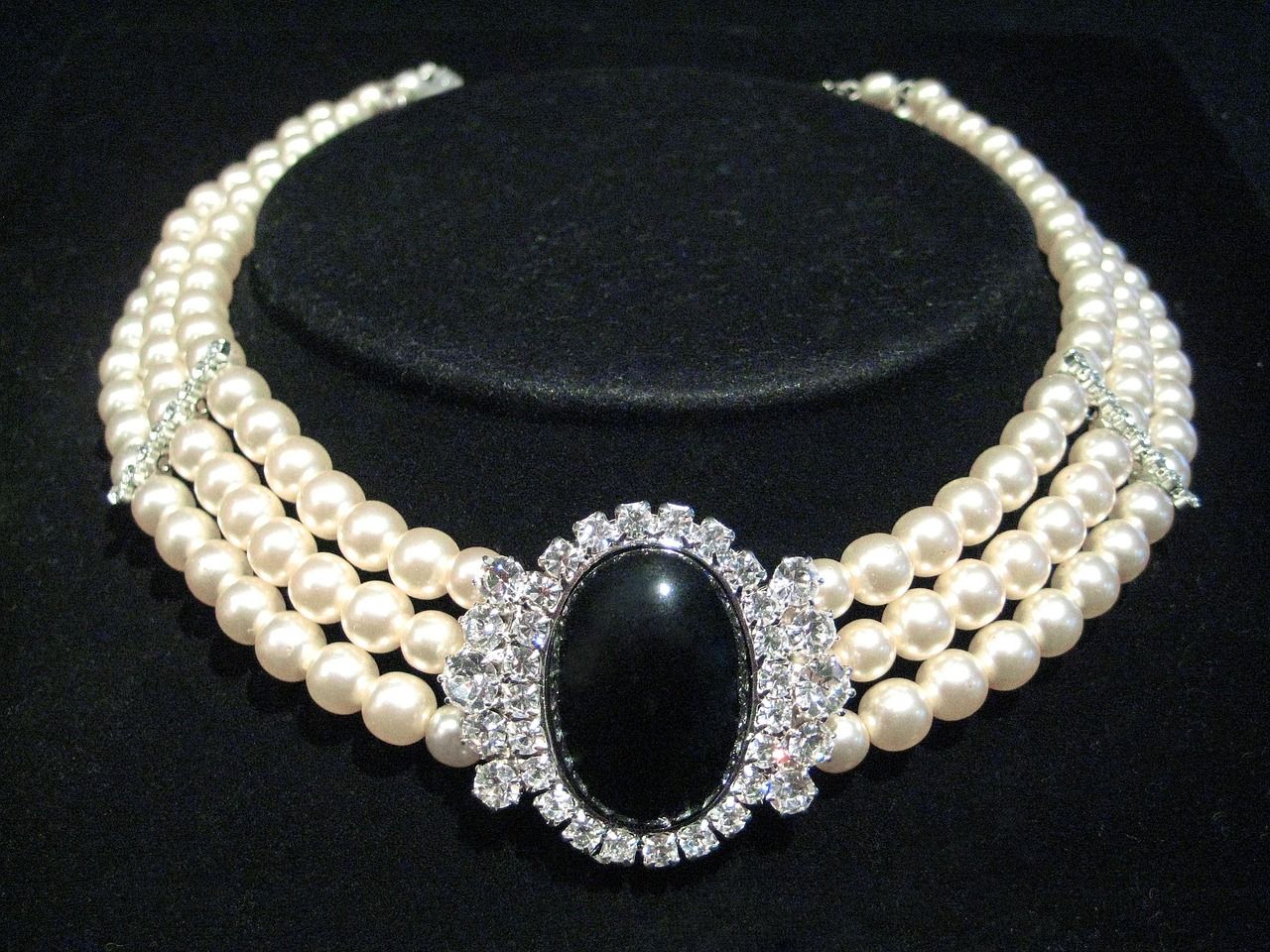
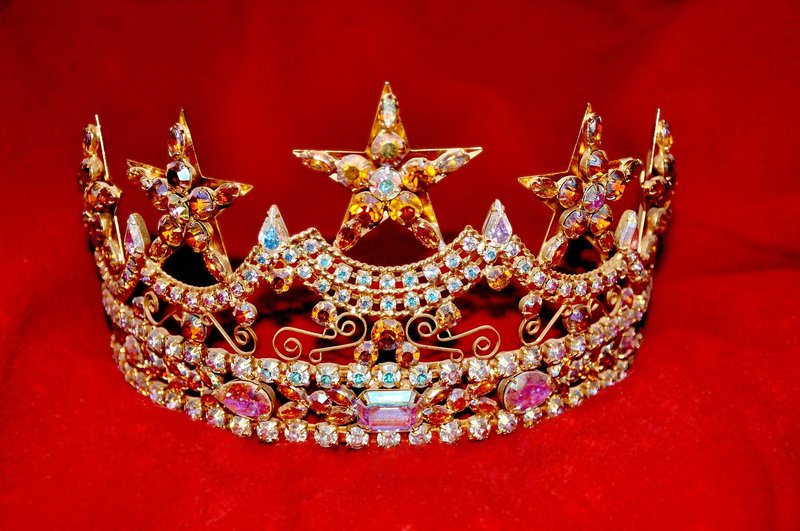
Representative image: mdgrafik0 / Pixabay
Richemont said on 13 November 2026 that half-year sales rose 17% at constant rates to €12.28 billion, led by Cartier and its jewellery houses, up 19%.
What Happened
Richemont, the Swiss group that owns Cartier and Van Cleef & Arpels, reported on Friday, 13 November 2026, that its sales rose 17% at constant exchange rates to €12.28 billion in the six months to 30 September 2026, led by its jewellery houses, whose sales grew 19%. Operating profit rose 33% to about €3.1 billion, and net profit rose to €2.53 billion from €1.81 billion a year earlier, according to the company's results and reports of them. Sales in the second quarter alone rose 13%.
Richemont results: key facts
- Period: six months to 30 September 2026, the first half of Richemont's financial year.
- Group sales: €12.28 billion, up 17% at constant exchange rates and 16% at actual rates.
- Second-quarter sales growth: 13% at constant rates.
- Jewellery Maisons (Cartier, Van Cleef & Arpels, Buccellati, Vhernier): sales up 19% at constant rates (18% reported); operating result €3.2 billion against €2.5 billion a year earlier.
- Specialist watchmakers: sales up about 10%, according to one report; another report gave a different figure for the quarter.
- Group operating profit: up 33% to about €3.1 billion; net profit €2.53 billion, against €1.81 billion.
- Direct-to-client sales, through the company's own boutiques and online stores, reached 78% of the total, two percentage points higher than a year earlier.
- The company said the Americas and Japan led regional growth; one report said gold costs weighed on the underlying gross margin.
Richemont results: why it matters
Richemont's results show one part of the luxury market growing strongly: high-end jewellery. The group's jewellery houses, led by Cartier, grew sales by close to a fifth, faster than the group as a whole.
The results also show how much the business now leans on those houses. Its specialist watchmakers grew more slowly. And the shift towards selling directly to customers, through Richemont's own boutiques and websites rather than through department stores and wholesalers, continued: more than three of every four euros of sales now come through the company's own channels. That gives brands more control over pricing and the customer experience, which is a central theme in how the fashion and luxury industry is changing.
There was one pressure point, and the company's regional picture was uneven: it said growth was led by the Americas and Japan. High gold prices raise the cost of making jewellery, and a report on the results said gold costs weighed on the underlying gross margin, the share of sales left after the cost of goods. For readers in India, where gold prices are watched closely by households and jewellers, this is the same force seen from the side of a global luxury maker.
The story is also one of enterprise. Cartier, Van Cleef & Arpels and the smaller Italian houses Buccellati and Vhernier are design-led businesses where craftsmanship, brand and retail experience drive profit, the same mix that Indian jewellery and fashion labels are trying to build at home and abroad.
Peepals calculation: Net profit rose about 40% (2.53 ÷ 1.81 ≈ 1.40), faster than sales at 17%. The jewellery houses' operating result rose about 28% (3.2 ÷ 2.5 = 1.28). And because the jewellery houses' operating result of €3.2 billion was larger than the group's total operating profit of about €3.1 billion, the rest of the group, taken together with central costs, reduced profit by roughly €0.1 billion. Our calculation from the reported figures.
| Measure (six months to 30 September) | 2025 | 2026 |
|---|---|---|
| Net profit | €1.81 billion | €2.53 billion |
| Jewellery Maisons operating result | €2.5 billion | €3.2 billion |
| Direct-to-client share of sales | 76% | 78% |
Impact
Short-term: The results confirm that demand for top-end jewellery stayed strong through September 2026, even as the wider luxury market stayed uneven.
Long-term: Richemont's dependence on its jewellery houses, and on gold, means its profits are increasingly tied to the price of the metal and to the appetite of wealthy buyers in the Americas and Japan.
Who is affected: Richemont's shareholders and staff; jewellery and watch retailers; rival luxury groups; and craftspeople and suppliers who work for high-end jewellery houses.
Key Takeaway
Cartier owner Richemont said on 13 November 2026 that first-half sales rose 17% at constant rates to €12.28 billion, with jewellery up 19% and net profit up to €2.53 billion, while gold costs weighed on margins.
Questions and Answers
How did Richemont perform in the first half of 2026-27?
For the six months to 30 September 2026, sales rose 17% at constant exchange rates to €12.28 billion, operating profit rose 33% to about €3.1 billion, and net profit rose to €2.53 billion from €1.81 billion.
How did Cartier and Richemont's jewellery brands do?
The Jewellery Maisons, which include Cartier, Van Cleef & Arpels, Buccellati and Vhernier, grew sales 19% at constant rates, and their operating result rose to €3.2 billion from €2.5 billion.
What hurt Richemont's results?
A report on the results said high gold costs weighed on the underlying gross margin, and watches grew more slowly than jewellery.
How much of Richemont's sales are direct to customers?
Direct-to-client sales, through its own boutiques and online stores, made up 78% of the total, two percentage points more than a year earlier.
Disclaimer: Prepared by the Peepals newsroom from publicly available sources with AI assistance. Information is accurate to the best of our knowledge at the time of publication and may change. Images may be representative. Not professional advice. Report an error via our contact page.
By Simran Kaur, Fashion WriterCovers Fashion and more for Peepals Shakti. All stories by Simran Kaur
Orissa High Court keeps toddler with grandparents, orders daily calls with mother
Patricia Lar becomes University of Jos' first woman Vice-Chancellor
Get the day's stories in your inbox
Peepals Weekly: the week decoded, free. One email a week, unsubscribe in one click.
Simran Kaur is a pen name of the Peepals Global Editorial Team, which researches, fact-checks and publishes every story. The portrait is an illustration.
Editor: Prashant Sonar. How we report