
Better Cotton report: most farmers cut chemicals; women's field roles nearly double
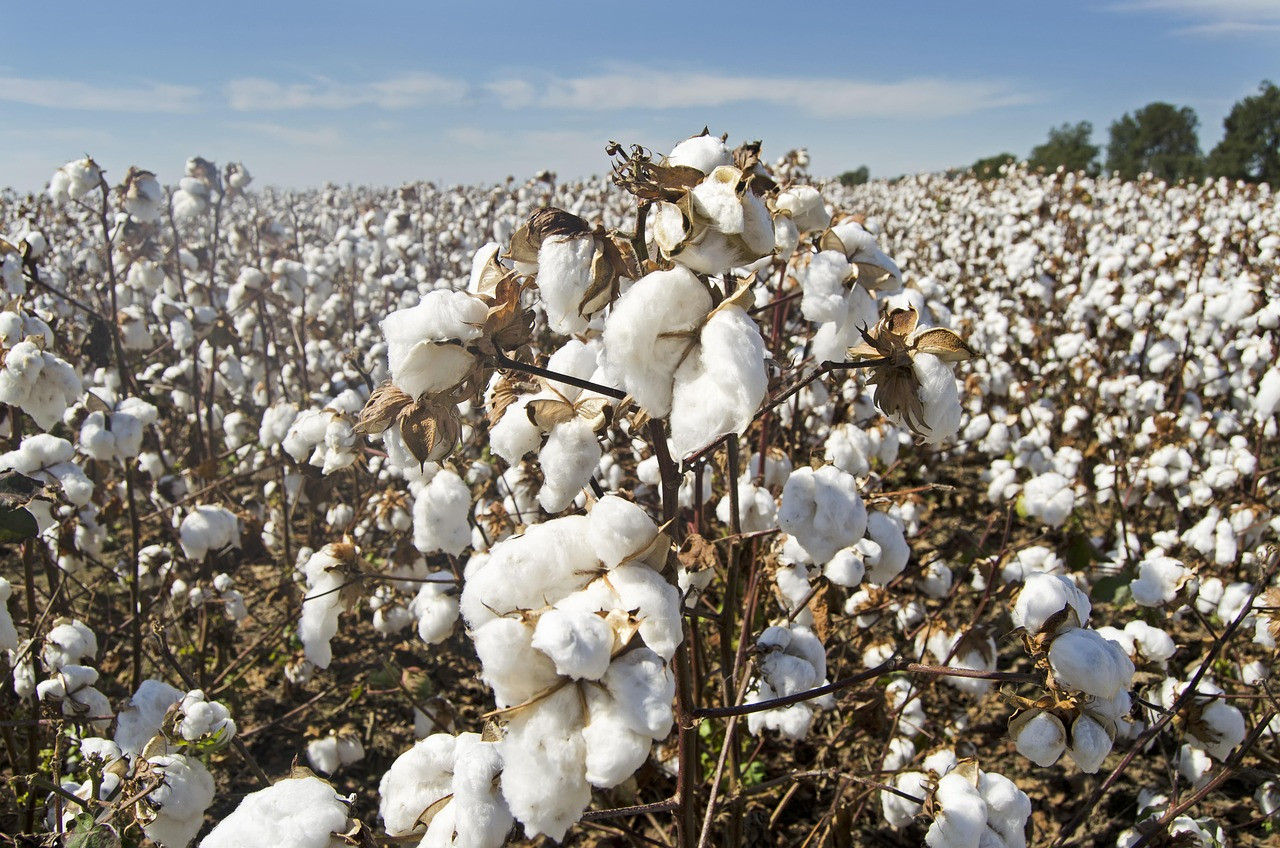
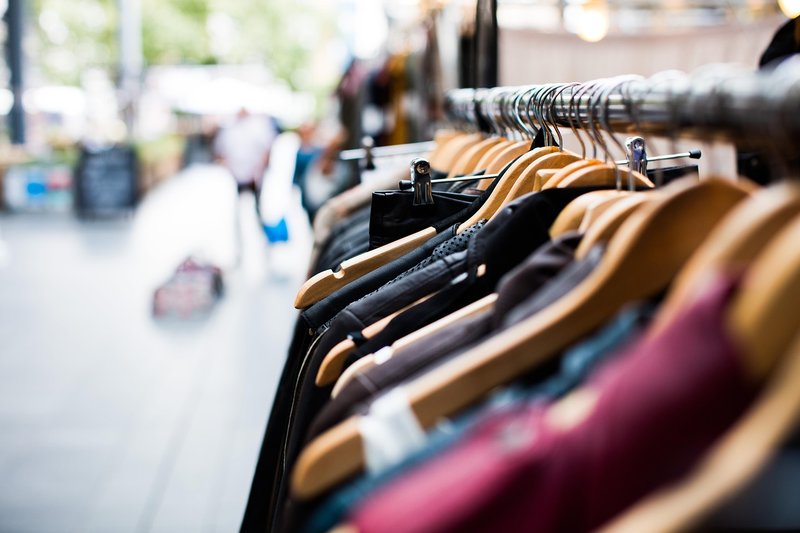
Representative image: jdblack / Pixabay
Better Cotton's first global impact report in five years, released October 7, 2026, says most farmers cut nitrogen and pesticide use, but progress is uneven.
What Happened
Better Cotton, which describes itself as the world's largest cotton sustainability programme, published its first global impact report in five years on October 7, 2026, World Cotton Day. Drawing on nine years of data from farms in its programme, the organisation reported that most participating farmers have reduced their use of synthetic fertiliser and pesticides and lowered their carbon footprint since joining. It also reported that women now hold 17% of field facilitation and producer-unit management roles worldwide, up from 9% five years ago. Better Cotton described the report as a candid assessment, and trade coverage noted that progress has been uneven.
Key Facts
- Better Cotton says its programme covers nearly a quarter of the world's cotton production.
- Since joining, 69% of farmers reduced synthetic nitrogen use per kilogram of cotton.
- 65% cut the amount of synthetic pesticide active ingredient used per hectare.
- 54% lowered their carbon footprint, and 59% of smallholders increased their net income from cotton.
- On fully irrigated farms, 52% reduced the water used per kilogram of cotton.
- In the 2024-25 season alone, 61% of farmers cut synthetic nitrogen, 49% reduced their carbon footprint and 40% reduced synthetic pesticides.
- Women held 17% of field facilitation and producer-unit management roles in 2026, up from 9% five years earlier.
Why It Matters
Cotton is the base of much of the clothing people wear every day, and how it is grown shapes the environmental cost of fashion. Large brands use certification schemes such as Better Cotton to show that their supply chains are improving. A report built on nine years of field data gives buyers and shoppers some evidence to judge those claims, rather than relying on marketing.
The results are mixed, and the coverage reflected that. One trade outlet presented the findings as clear gains, while another stressed that crop-protection results in particular were inconsistent. Readers should also keep in mind that these are the programme's own figures, not an independent audit. Better Cotton's willingness to call the report candid is a sign that sustainability reporting in fashion is moving from glossy claims towards measurable results, with the weak spots shown as well as the strengths.
The women's figure deserves attention. Field facilitators and producer-unit managers are the people who train farmers and organise them into groups, which makes these jobs a route into leadership in farming communities. A rise from 9% to 17% in five years is a meaningful change, though women remain a clear minority. For a publication focused on the women shaping the fashion industry, it is a reminder that the industry's workforce begins long before the design studio, in the fields where cotton is grown.
| Indicator | Share of farmers improving since joining |
|---|---|
| Reduced synthetic nitrogen | 69% |
| Reduced synthetic pesticides | 65% |
| Raised net income (smallholders) | 59% |
| Lowered carbon footprint | 54% |
| Reduced irrigation water (fully irrigated farms) | 52% |
Impact
Short-term: Fashion brands that source through Better Cotton have fresh data to report to customers and investors, along with clear areas, such as pest control, where progress is weaker.
Long-term: More women in field leadership roles could change how farmer training and support is delivered, while continued cuts in fertiliser and pesticide use would lower the environmental cost of cotton clothing.
Who is affected: Cotton farmers, especially smallholders, women working in farming communities, clothing brands and retailers, and shoppers looking for responsibly made clothes.
Key Takeaway
Better Cotton's nine-year data shows most farmers using fewer chemicals and more women in field leadership, but the gains are uneven and self-reported.
Questions and Answers
What is Better Cotton's Global Impact Report?
It is the cotton programme's first worldwide assessment in five years, released on October 7, 2026, using nine years of field data from participating farms.
Did farmers really use fewer chemicals?
According to the report, 69% of farmers cut synthetic nitrogen per kilogram of cotton and 65% cut synthetic pesticide use per hectare since joining, though trade coverage noted that pest-control gains were inconsistent.
How has women's role changed?
Women now hold 17% of field facilitation and producer-unit management roles globally, up from 9% five years ago.
Is this an independent evaluation?
No. The figures come from Better Cotton's own monitoring of its programme, so they should be read as the organisation's reported results.
Disclaimer: Prepared by the Peepals newsroom from publicly available sources with AI assistance. Information is accurate to the best of our knowledge at the time of publication and may change. Images may be representative. Not professional advice. Report an error via our contact page.
Sourced and fact-checked by the Peepals Global Editorial Team
Healthy diet in pregnancy linked to less colic and eczema in babies, study finds
Himachal HC halts sacking of scientist removed days after seeking maternity benefits
Reported, fact-checked and published by the Peepals Global Editorial Team.