
Pink Rickshaw in Goa: Women Drivers Get Self-Employment Route
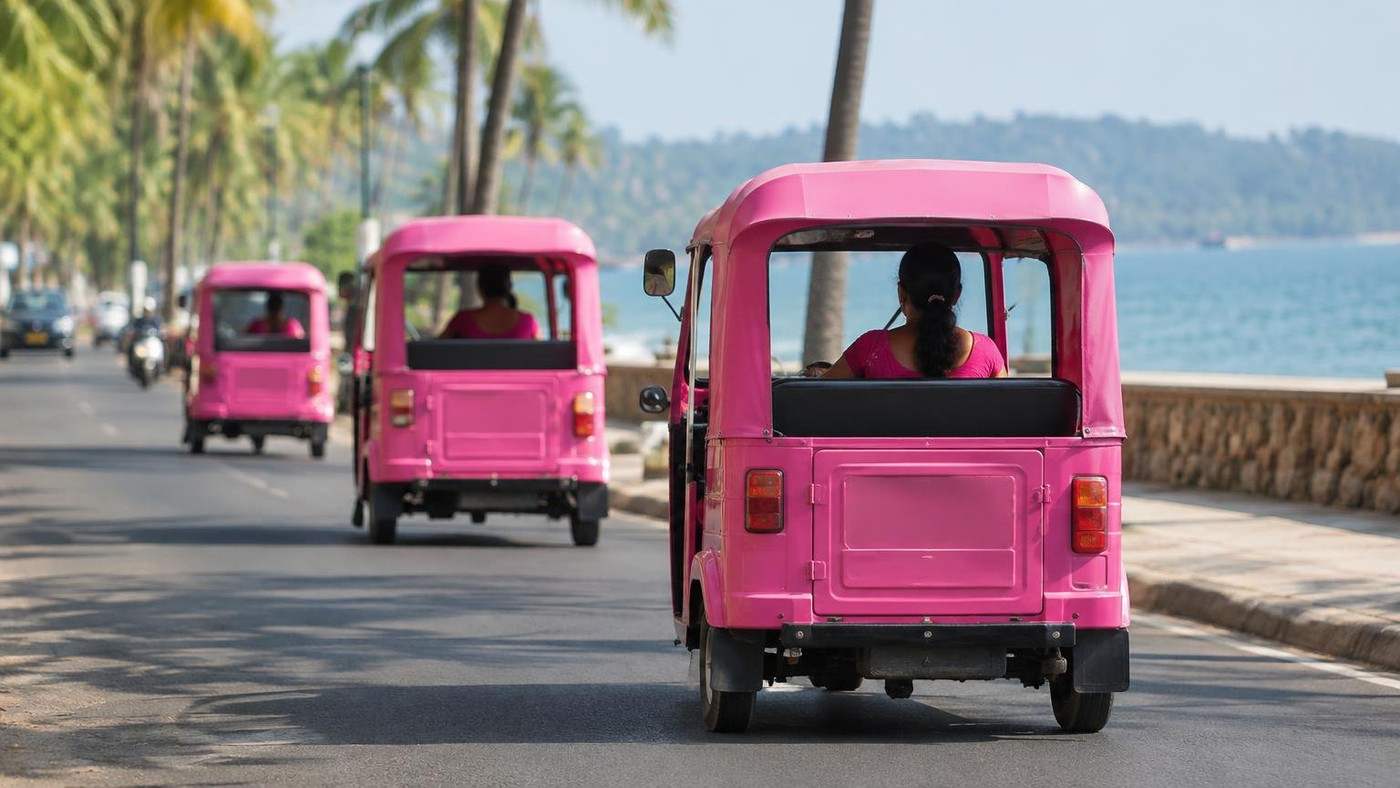
AI-generated representative image
Goa's Pink Rickshaw scheme, announced on 28 April 2022, gives women subsidised vehicles, loan access and training, opening a livelihood route in a male-dominated field.
What Happened
Goa Chief Minister Pramod Sawant announced the Pink Rickshaw scheme on 28 April 2022 to help women become self-employed auto-rickshaw drivers. The state government runs it with the Rotary Club. Women get subsidised vehicles through the state's Economic Development Corporation (EDC). The scheme is the first of its kind in Goa, and it has put women on the road as drivers, including on electric rickshaws.
Key Facts
- Women receive rickshaws on subsidy through the Economic Development Corporation (EDC), a government agency that gives loans for small and large businesses in Goa.
- Rickshaws can also be taken on loan under the Chief Minister's Rozgar Yojana (CMRY), a state self-employment scheme. A third route is sponsorship by the Rotary Club.
- The Rotary Club agreed to conduct driver training before women start work. At the announcement, Sawant said 17 women were being trained and the first fleet would have 14 women drivers.
- The first vehicle was handed over in Mapusa, North Goa, by the Rotary Club of Mapusa with the Government of Goa. Priti Kerkar of Mapusa was the first woman to receive keys.
- Rospin Rodrigues from Cavelossim became the first woman in South Goa to drive a pink electric auto-rickshaw. She had worked in housekeeping at a local hotel before joining.
- Rodrigues said she learned to drive the rickshaw in two weeks, and her brother accompanied her for the first eight days. She had driven for five months in Margao, Mobor and nearby areas.
- Pink rickshaws are identified by a fully pink body or a pink roof. They are meant to carry panic buttons and GPS tracking for passenger safety.
Why It Matters
Driving a rickshaw is a field where men have long been the main earners. By placing women in visible, paid roles on public roads, the Pink Rickshaw scheme challenges that pattern. It shows what women can do when cost and training barriers are removed.
The scheme works by tackling three barriers. The EDC subsidy cuts the upfront cost, which is often the main hurdle for women who lack savings. CMRY loans give access to credit.
Women are not tied to one source of money. Each can choose a subsidy, a loan or a sponsor, depending on her situation. Rodrigues's case shows the effect: a wish for extra family income became a regular job, and she said she was content with her earnings.
Sawant linked the rickshaw to the Pink Force, police units set up to deal with crimes against women. He said both would be seen on Goa's streets, one as a policing effort and the other as a livelihood effort. The scheme's stated aim is to improve women's status through safe, reliable transport.
Goa is not the first place in India to try pink rickshaws. Ranchi launched a scheme in 2013, after the 2012 Delhi gang rape, with about 200 pink-roofed rickshaws. Few women came forward there, so verified male drivers were appointed. Goa puts women drivers first. Bongaigaon in Assam also launched pink rickshaws under the National Urban Livelihood Mission.
Impact
Short-term: Women in Goa can now take up rickshaw driving with a subsidy, a loan or a sponsor, and receive training first. The first vehicle went to Priti Kerkar in Mapusa, and Rospin Rodrigues began driving in South Goa. Women passengers in these areas may find the service more comfortable. Rodrigues said passers-by often greet her with smiles and thumbs-up gestures. Announced numbers were small: 14, 17 and 20 women in different reports.
Long-term: The scheme points to a livelihood-first model in which subsidy, credit and training are the common supports. Similar programmes elsewhere show the same pattern. In one municipal programme, women got loans at 7% interest with a 25% central government subsidy. Of 70 women identified, 15 were trained and the rest were in training. Growth in Goa would need steady subsidies, charging points and training seats.
Who is affected: The scheme directly affects self-employed women in Goa who want to earn as drivers, especially those without savings to buy a vehicle. Women passengers are also affected, as the service aims to offer safe transport with panic buttons and GPS tracking. Electric rickshaw drivers depend on charger locations. Rodrigues said she avoids long-distance trips because of charging point constraints. Applicants should check eligibility and current subsidy terms with the EDC.
Key Takeaway
Goa's Pink Rickshaw scheme, announced on 28 April 2022, pairs an EDC subsidy, CMRY loans and Rotary training so women such as Priti Kerkar and Rospin Rodrigues can earn as drivers.
Questions and Answers
What is the Pink Rickshaw scheme in Goa?
The Pink Rickshaw scheme helps women become self-employed auto-rickshaw drivers in Goa. Chief Minister Pramod Sawant announced it on 28 April 2022, and the state government runs it with the Rotary Club.
How can women get a pink rickshaw in Goa?
Women can get a rickshaw on subsidy through the Economic Development Corporation, on loan under the Chief Minister's Rozgar Yojana, or through Rotary Club sponsorship. The Rotary Club also provides driver training.
Who was the first woman to receive a pink rickshaw in Goa?
Priti Kerkar from Mapusa was the first woman to receive the keys to her pink rickshaw, at the first handover in Mapusa, North Goa.
What are the limits of the Pink Rickshaw scheme?
Numbers announced were small, at 14, 17 and 20 in different reports. Driver Rospin Rodrigues avoids long trips because of charging point constraints on electric rickshaws.
Disclaimer: Prepared by the Peepals newsroom from publicly available sources with AI assistance. Information is accurate to the best of our knowledge at the time of publication and may change. Images may be representative. Not professional advice. Report an error via our contact page.
Sourced and fact-checked by the Peepals Global Editorial Team
Reported, fact-checked and published by the Peepals Global Editorial Team.