
Healthy diet in pregnancy linked to less colic and eczema in babies, study finds
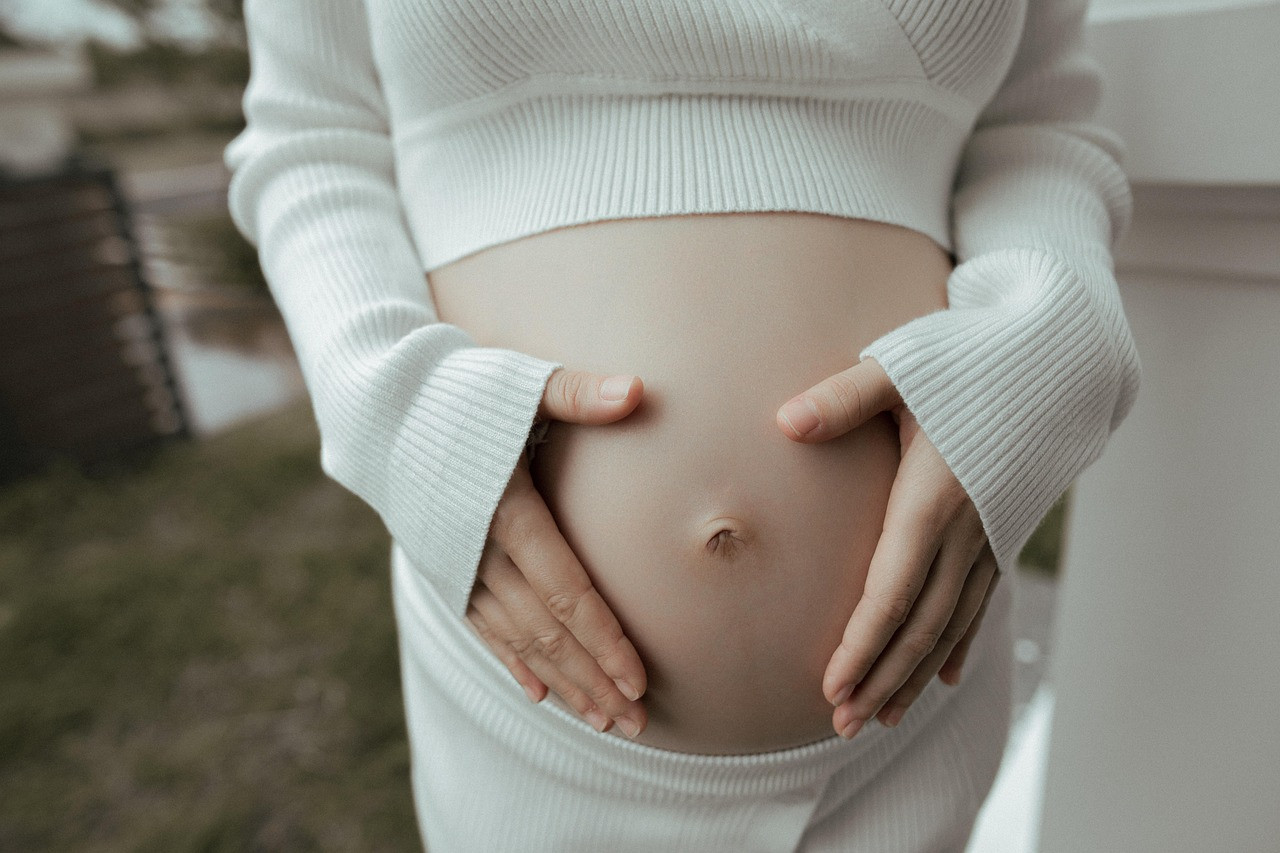
Representative image: Jupilu / Pixabay
A Harvard-led study of over 1,300 mothers, published on 12 October 2026, linked a Mediterranean-style pregnancy diet to lower odds of colic and eczema in babies.
What Happened
Babies whose mothers ate a healthier, Mediterranean-style diet during pregnancy were less likely to have both colic and eczema in infancy, according to a study published on Monday, 12 October 2026, in the journal JAMA Network Open. Researchers from the Harvard T.H. Chan School of Public Health, working with Boston Children's Hospital and Harvard Pilgrim Health Care Institute, analysed more than 1,300 mother-and-baby pairs from a long-running research group called Project Viva. Each one-point rise in a mother's Mediterranean diet score was linked to a 15% lower risk of her baby having the combination of colic and eczema.
Key Facts
- Published: 12 October 2026, JAMA Network Open.
- Researchers: Harvard T.H. Chan School of Public Health, with Boston Children's Hospital and Harvard Pilgrim Health Care Institute.
- Participants: more than 1,300 mother-infant pairs from the Project Viva study.
- Each extra point on a Mediterranean diet score was linked to 15% lower risk of combined colic and eczema in infants.
- Each weekly serving of fish or shellfish was linked to about 25% lower odds of the combination.
- Diets scoring higher for inflammation-promoting foods were linked to a 34% higher risk.
- The study is observational, so it shows a link, not proof that diet causes the difference.
Why It Matters
Colic, long periods of intense crying in an otherwise healthy baby, and eczema, itchy and inflamed skin, are among the most common problems in early infancy. Both can be exhausting for parents and are a frequent reason for visits to the doctor. Their causes are not fully understood, and parents often feel there is little they can do. This study suggests that what a mother eats while pregnant may be one factor that can be changed.
A Mediterranean-style diet emphasises vegetables, fruit, legumes, whole grains, nuts, olive oil and fish, with less red meat and processed food. The researchers also looked at the opposite pattern: diets heavier in foods linked to inflammation. Babies of mothers whose diets scored high for those foods had a higher risk. One possible explanation is that a mother's diet influences inflammation and the developing immune system and gut of the baby, but the study was not designed to prove how this works.
The result should be read with care. Because the study observed what mothers ate rather than assigning diets, other differences between families, such as income, health habits or genetics, could explain part of the link, even after the researchers' adjustments. A study in one group of mothers may also not apply directly to families elsewhere, including in India, where diets differ widely.
Still, the advice the findings point to is not new or risky: a varied diet rich in vegetables, pulses, whole grains and, for those who eat it, fish is already recommended for a healthy pregnancy. The study adds a possible extra benefit for the baby.
| Diet factor | Link with combined infant colic and eczema |
|---|---|
| Each extra Mediterranean diet score point | 15% lower risk |
| Each weekly serving of fish or shellfish | about 25% lower odds |
| Higher inflammatory diet score | 34% higher risk |
Impact
Short-term: Expecting parents and doctors may give more attention to the overall quality of a mother's diet, not only to supplements.
Long-term: If confirmed by trials that test diet changes directly, prenatal nutrition advice could include specific guidance aimed at reducing common infant problems.
Who is affected: Pregnant women and their families; obstetricians, paediatricians and nutritionists; and families of infants with colic or eczema.
Key Takeaway
A healthier, Mediterranean-style diet in pregnancy was linked to lower odds of babies having both colic and eczema, though the study cannot prove cause and effect.
Questions and Answers
What did the study find about diet in pregnancy and infant colic?
Among more than 1,300 mother-baby pairs, each one-point rise in a mother's Mediterranean diet score was linked to a 15% lower risk of her baby having both colic and eczema, according to the study published on 12 October 2026.
Does eating fish in pregnancy help?
In this study, each weekly serving of fish or shellfish was linked to about 25% lower odds of the combined condition. Pregnant women should follow their doctor's advice on which fish are safe to eat.
Does this prove that diet causes colic or eczema?
No. It is an observational study, so it shows an association. Other differences between families could explain part of the result.
Who did the research?
Researchers at the Harvard T.H. Chan School of Public Health, with Boston Children's Hospital and Harvard Pilgrim Health Care Institute, using data from the Project Viva study.
Disclaimer: Prepared by the Peepals newsroom from publicly available sources with AI assistance. Information is accurate to the best of our knowledge at the time of publication and may change. Images may be representative. Not professional advice. Report an error via our contact page.
Sourced and fact-checked by the Peepals Global Editorial Team
Reported, fact-checked and published by the Peepals Global Editorial Team.