DCW's Karmayogini programme gives Delhi women workers nutrition kits, rights advice

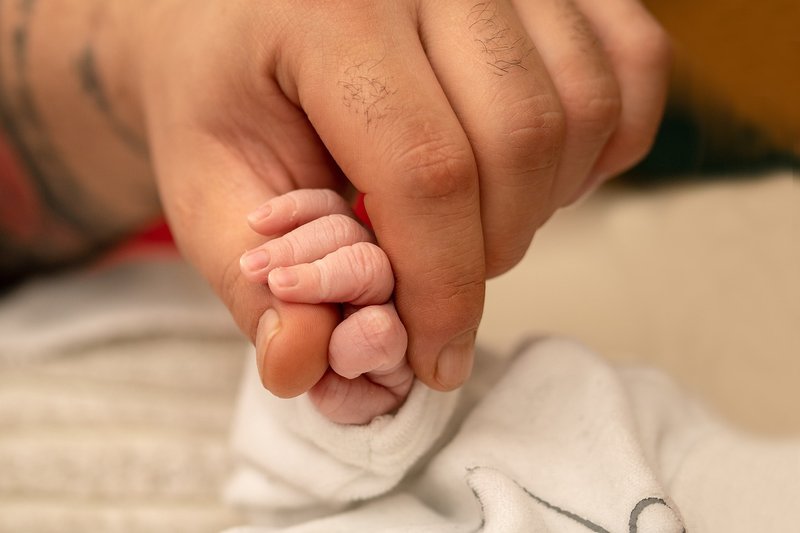
Representative image: jackmac34 / Pixabay
The Delhi Commission for Women held its Karmayogini programme on Oct 15, 2026, giving women workers nutrition kits and advice on health, safety, rights and schemes.
What Happened
The Delhi Commission for Women (DCW) held a programme on health, nutrition, safety and legal rights for women workers in Delhi on Thursday, October 15, 2026, under the title "Karmayogini: Nutrition for Strength, Awareness for Progress". During a session called "Shramik Poshan Samvad", Delhi Chief Minister Rekha Gupta and National Commission for Women (NCW) chairperson Vijaya Kishore Rahatkar spoke with women workers and handed out nutrition kits. DCW chairperson Lata Gupta opened the programme. Speakers urged the workers to eat balanced diets, go for regular health check-ups, insist on safe working conditions and learn about the legal protections available to working women, and pointed them to government schemes including Palna Ghars, Atal Canteens, the Delhi Lakshmi Yojana and Pink Saheli cards.
Key Facts
- Organiser: the Delhi Commission for Women; date: Thursday, October 15, 2026.
- Programme title: "Karmayogini: Nutrition for Strength, Awareness for Progress"; interaction session: "Shramik Poshan Samvad".
- Chief Minister Rekha Gupta and NCW chairperson Vijaya Kishore Rahatkar distributed nutrition kits to women workers.
- DCW chairperson Lata Gupta opened the programme.
- Key messages: balanced diets, regular health check-ups, safe workplaces and awareness of legal rights.
- Schemes highlighted: Palna Ghars, Atal Canteens, the Delhi Lakshmi Yojana and Pink Saheli cards.
- Rahatkar said government schemes aim to make women and children healthy and self-reliant.
Why It Matters
Conversations about work-life balance usually centre on office jobs: flexible hours, leave policies, burnout. For women who do manual and labour-intensive work, the questions are more basic: whether they eat well enough, whether they ever get a health check-up, and whether their workplace is safe. A programme that puts nutrition and health check-ups at the centre starts from those basics.
The emphasis on legal awareness matters as much as the food kits. Knowing what protections exist, and where to go when something goes wrong, is part of a worker's security. Bringing the chairpersons of both the national and the Delhi women's commissions into the same room as the workers gives them a direct line to the bodies whose job is to act on such complaints.
The schemes named at the event are tools that can save women time and money in daily life. The Pink Saheli card, for example, is the smart card that women in Delhi now need for free travel on DTC and cluster buses; it is issued free to women and transgender residents aged 12 and above with an Aadhaar or voter ID linked to a Delhi address, and is mandatory for free rides since September 1. Linking workers to such schemes at a health event is a practical way to make sure benefits reach the people they were designed for.
The test, as with any awareness event, will be what follows. One programme and a set of nutrition kits cannot by itself change diets or workplaces. What can make a difference is regular follow-up: health camps, help desks for scheme enrolment, and quick action by the commissions on complaints that women workers bring.
| Scheme named at the event | What a worker should know |
|---|---|
| Pink Saheli card | Needed for free travel on DTC and cluster buses in Delhi |
| Palna Ghars | Named as a support for working women |
| Atal Canteens | Named as a support for working women |
| Delhi Lakshmi Yojana | Named among Delhi government schemes for women |
Impact
Short-term: Women workers who attended received nutrition kits and information on health check-ups, legal rights and how to access Delhi government schemes.
Long-term: If the commissions follow up with regular outreach, more women workers could enrol in welfare schemes, seek health care earlier and report unsafe working conditions.
Who is affected: Women workers in Delhi, their families, the Delhi Commission for Women, the National Commission for Women and the Delhi government departments that run the schemes.
Key Takeaway
The DCW's Karmayogini programme on October 15 linked Delhi's women workers to nutrition, health check-ups, legal rights and welfare schemes, a reminder that wellbeing for working women starts with basics.
Questions and Answers
What is the DCW's Karmayogini programme?
It is a Delhi Commission for Women programme, held on October 15, 2026, on the health, nutrition, safety and legal rights of women workers, titled "Karmayogini: Nutrition for Strength, Awareness for Progress".
Who attended the Karmayogini programme?
Delhi Chief Minister Rekha Gupta and NCW chairperson Vijaya Kishore Rahatkar spoke with women workers and distributed nutrition kits. DCW chairperson Lata Gupta opened the programme.
Which schemes were women workers told about?
Palna Ghars, Atal Canteens, the Delhi Lakshmi Yojana and the Pink Saheli card for free bus travel were among the schemes highlighted.
Who can get a Pink Saheli card in Delhi?
Women and transgender residents of Delhi aged 12 and above, with an Aadhaar or voter ID linked to a Delhi address and an active mobile number. The card is issued free and is needed for free travel on DTC and cluster buses.
Disclaimer: Prepared by the Peepals newsroom from publicly available sources with AI assistance. Information is accurate to the best of our knowledge at the time of publication and may change. Images may be representative. Not professional advice. Report an error via our contact page.
Sourced and fact-checked by the Peepals Global Editorial Team
Reported, fact-checked and published by the Peepals Global Editorial Team.