
Women-led Ladakh labels bring Pashmina to Lakmé Fashion Week runway
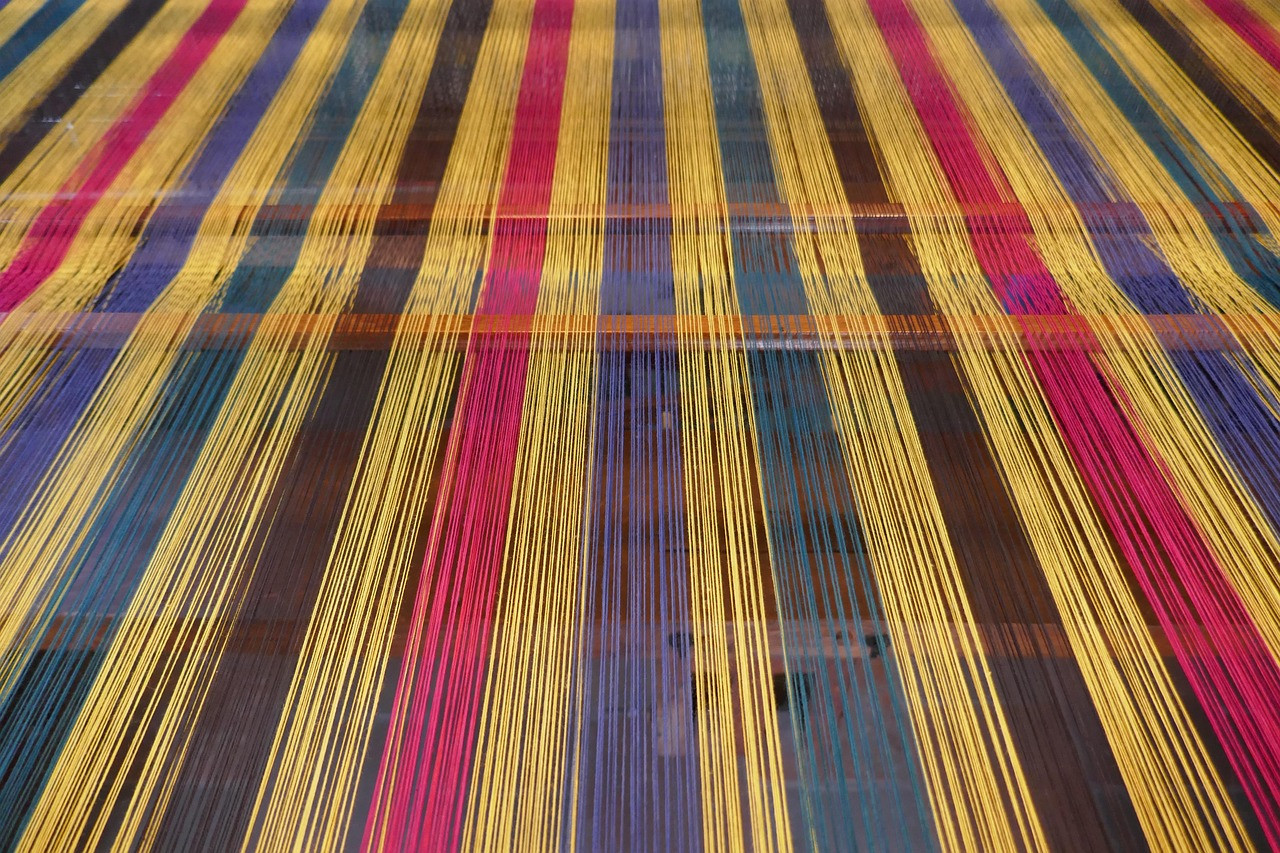
Representative image: Jolien-Wiertz / Pixabay
Four women-led Ladakhi labels showed Pashmina and Changthang crafts at Lakmé Fashion Week in New Delhi on 18 October 2026, backed by Ladakh's government.
What Happened
Four Ladakh-based fashion labels, all led by women designers, showed Pashmina and other Ladakhi textiles at Lakmé Fashion Week in New Delhi on Sunday, 18 October 2026, the closing day of the event. The showcase, titled "The Fifth Season: A Fashion Story from Ladakh", was presented by the Department of Industries and Commerce of the Union Territory of Ladakh with the Fashion Design Council of India (FDCI), and brought artisans from the Changthang plateau onto the runway alongside the designers.
Key Facts
- The labels were Namza by Padma Yangchan, Zilzom by Stanzin Palmo, Changra Ladakh by Deskit Angmo and Charkha Ladakh by Rigzin Yangdol.
- Namza opened the show with 18 ensembles combining brocade and Pashmina.
- Zilzom presented 18 looks with silk prints designed by the label and inspired by Changthang's landscapes, along with modern versions of snambu, a traditional Ladakhi woollen cloth.
- Changra Ladakh and Charkha Ladakh showed handspun and handwoven Pashmina shawls.
- The show was held at Hotel Taj Palace, New Delhi, on the final day of Lakmé Fashion Week in partnership with FDCI.
- It was run under the Ministry of MSME's RAMP scheme, which aims to improve market access for small enterprises, according to the organisers.
- Shalini Passi walked as showstopper in a Zilzom gown, and the Ladakhi band Dashugs performed live.
Why It Matters
Pashmina is one of India's best-known luxury fibres, but the people who produce it are rarely seen. The fibre comes from the fine undercoat of the Changra goat, raised by the Changpa, nomadic herders of the high-altitude Changthang region of eastern Ladakh. Putting Ladakh's own labels and its herders on a national runway, as the organisers framed it, is a way to show the people behind the craft and to link them directly with buyers at the top of the market.
The line-up also matters for the women behind it. All four labels shown were led by women designers who have built businesses around local fibres and techniques. Fashion from Ladakh has tended to reach buyers as shawls and stoles at fairs; a runway slot at India's best-known fashion week, with full collections, places these designers in front of retailers, stylists and buyers who decide what reaches city stores.
The use of the RAMP scheme shows how a government small-business programme is being used in fashion. Instead of grants alone, the administration bought visibility: a show slot, styling and a showstopper. Whether it works will be judged by orders and repeat buyers, not applause, and the organisers have framed the aim as building market access for local designers and artisans.
There is also a heritage angle. Handspun, handwoven Pashmina is slow to make and costly. Showing it next to newer pieces, such as printed silk and modern cuts of snambu, presents traditional craft as something that can be worn every day, not only stored as an heirloom.
| Label | Designer | What was shown |
|---|---|---|
| Namza | Padma Yangchan | 18 looks in brocade and Pashmina |
| Zilzom | Stanzin Palmo | 18 looks, silk prints, modern snambu |
| Changra Ladakh | Deskit Angmo | Handspun, handwoven Pashmina shawls |
| Charkha Ladakh | Rigzin Yangdol | Handspun, handwoven Pashmina shawls |
Impact
Short-term: The four labels gain national attention and contact with buyers and stylists during the festive and wedding season, when demand for shawls and occasion wear is high.
Long-term: If the showcase leads to steady orders, more income could reach Ladakh, with designers, spinners, weavers and herders. It may also encourage other regions to use the RAMP scheme to bring local crafts to national platforms.
Who is affected: Women designers and entrepreneurs in Ladakh; Changpa herders and the spinners and weavers of Changthang; buyers and retailers looking for authentic craft textiles; and shoppers interested in where their Pashmina comes from.
Key Takeaway
Four women-led Ladakhi labels took Pashmina and Changthang's herders to the Lakmé Fashion Week runway on 18 October 2026, in a government-backed push to win buyers for Ladakh's own craft.
Questions and Answers
What was "The Fifth Season" at Lakmé Fashion Week?
It was a showcase of Ladakhi textiles, presented by the Union Territory of Ladakh's Department of Industries and Commerce with the Fashion Design Council of India on 18 October 2026, the closing day of Lakmé Fashion Week in New Delhi.
Which Ladakh designers showed at Lakmé Fashion Week 2026?
Four labels took part: Namza by Padma Yangchan, Zilzom by Stanzin Palmo, Changra Ladakh by Deskit Angmo and Charkha Ladakh by Rigzin Yangdol.
Where does Ladakh Pashmina come from?
Pashmina is the fine undercoat of the Changra goat, raised by Changpa herders on the high-altitude Changthang plateau in eastern Ladakh. Artisans from Changthang walked the runway during the show.
Who funded the Ladakh showcase?
The organisers said it was run under the RAMP scheme of the Union Ministry of Micro, Small and Medium Enterprises, which aims to help small businesses reach markets, with support from the Fashion Design Council of India.
Disclaimer: Prepared by the Peepals newsroom from publicly available sources with AI assistance. Information is accurate to the best of our knowledge at the time of publication and may change. Images may be representative. Not professional advice. Report an error via our contact page.
Sourced and fact-checked by the Peepals Global Editorial Team
Reported, fact-checked and published by the Peepals Global Editorial Team.