
Circ and Huafon plan China plant to recycle 200 tonnes of old clothes a day
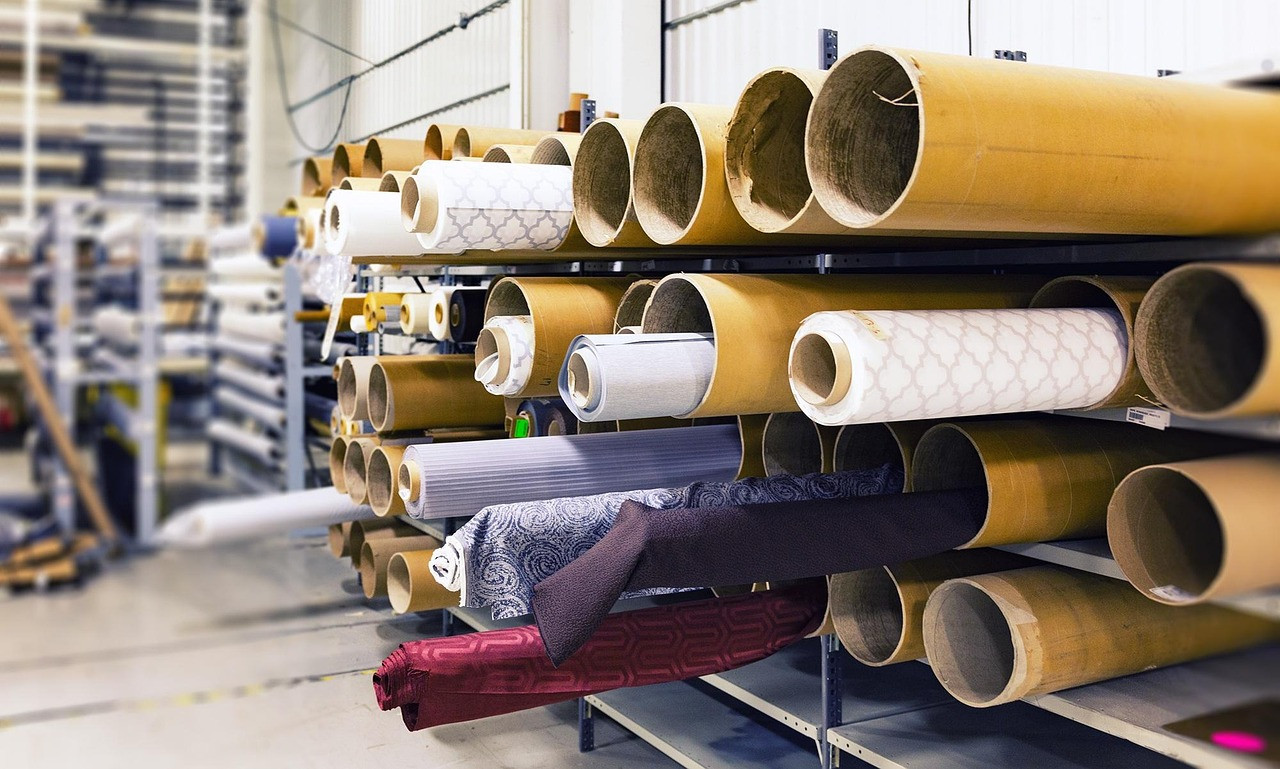
Representative image: mploscar / Pixabay
Recycler Circ and Chinese spandex maker Huafon announced on 8 October 2026 a China plant to recycle about 200 tonnes of polycotton clothing waste a day.
What Happened
Circ, a textile recycling company, and Huafon, a large Chinese producer of spandex, have announced a partnership to build a multi-phase textile-to-textile recycling site in China, according to announcements reported on Thursday, 8 October 2026. The plant will use Circ's process to break down polycotton, the blend of polyester and cotton, into raw materials that can be made into new fibres. The first phase is designed to handle about 200 tonnes of textile waste a day.
Key Facts
- Partners: Circ, a textile-to-textile recycler, and Huafon, a leading Chinese spandex maker.
- Location: inside Huafon's industrial footprint in China.
- First-phase capacity: about 200 tonnes of waste a day, or roughly 73,000 tonnes a year if run continuously at full capacity.
- Outputs: recycled purified terephthalic acid (PTA) and monoethylene glycol (MEG), the building blocks of polyester, plus recycled cellulosic pulp from the cotton.
- Huafon brings engineering, procurement, logistics and manufacturing expertise and is investing directly alongside Circ and other selected investors.
- Circ brings its network of fashion brands, textile manufacturers and buyers for the recovered materials.
- Later phases are described as planned, with no firm capacity figures yet.
Why It Matters
Blended fabrics are difficult to recycle because a polycotton garment combines a plant fibre with a plastic one, and both have to be dealt with. Circ's approach is designed to recover both parts: the polyester is turned back into its chemical building blocks, while the cotton becomes pulp that can be spun into cellulosic fibres. If it works at scale, it would let used clothing become a source of new fabric rather than waste.
The location matters as much as the technology. Building recycling capacity inside an existing industrial company's footprint means the recovered materials can flow straight into manufacturing. Huafon's role as an investor and operator, not just a host, gives the project an industrial partner with the know-how to run large chemical plants.
Coverage of the deal has pointed out that the bigger test for textile recycling now is commercial rather than technical: whether brands will commit to buying recycled materials at prices that keep plants running. Circ's own first industrial-scale plant, in France, is still under development, and one trade outlet has reported that its construction has been delayed. That makes the China project a sign that recyclers are looking for faster routes to scale where manufacturing partners and feedstock are close at hand.
For the fashion businesses that will ultimately buy these materials, including brands and garment makers that supply them, a reliable supply of recycled fibre is becoming important as rules on textile waste tighten in markets such as the European Union and France.
| Item | Detail |
|---|---|
| Partners | Circ and Huafon |
| Site | China, within Huafon's industrial footprint |
| Phase 1 capacity | About 200 tonnes of waste a day |
| Annual equivalent | Roughly 73,000 tonnes at full capacity |
| Recovered materials | PTA, MEG and cellulosic pulp |
Impact
Short-term: The partners will move to engineering and construction of the first phase, while lining up investors and buyers for the recovered materials.
Long-term: If the plant runs at scale, it could give brands a large new supply of recycled polyester and cellulosic fibre made from old clothes, and show whether mixed-fabric recycling can pay its way.
Who is affected: Fashion brands with recycled-content targets, textile and fibre manufacturers, garment exporters, waste collectors and sorters, and policymakers drafting rules on textile waste.
Key Takeaway
Circ and Huafon plan a China plant to recycle about 200 tonnes a day of polycotton clothing waste into new fibre materials, a test of whether mixed-fabric recycling can scale commercially.
Questions and Answers
What are Circ and Huafon building?
A multi-phase textile-to-textile recycling site in China, announced on 8 October 2026, that will turn polycotton clothing waste into raw materials for new fibres.
How much waste will the plant handle?
The first phase is designed for about 200 tonnes of textile waste a day, or roughly 73,000 tonnes a year if it runs continuously at full capacity.
Why is polycotton hard to recycle?
It mixes cotton with polyester. Circ's process is designed to recover both, turning the polyester into PTA and MEG and the cotton into cellulosic pulp.
Is Circ already running a large plant?
Not yet. Its first industrial-scale facility, in France, is still under development, and one trade report says construction has been delayed.
Disclaimer: Prepared by the Peepals newsroom from publicly available sources with AI assistance. Information is accurate to the best of our knowledge at the time of publication and may change. Images may be representative. Not professional advice. Report an error via our contact page.
Sourced and fact-checked by the Peepals Global Editorial Team
Women with autoimmune disease more often told it's 'in the mind', study of 6,607 finds
Nepal's first woman president Bidya Bhandari returns to UML as No. 2 behind Oli
Reported, fact-checked and published by the Peepals Global Editorial Team.