
LVMH fashion sales fall 5% in third quarter as China slows; US, Europe grow
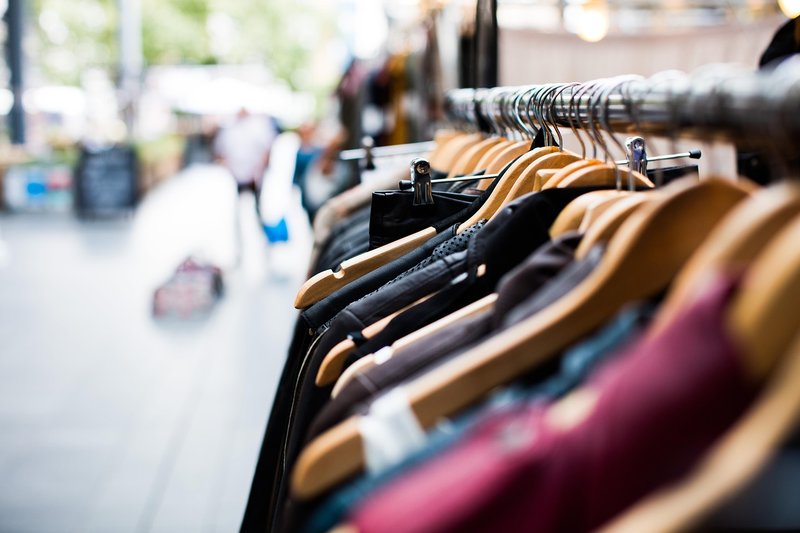
Representative image: Pexels / Pixabay
LVMH said on October 12, 2026, that its fashion and leather goods sales fell 5% organically in Q3 as China slowed, while group revenue rose 1% to €18.5 billion.
What Happened
LVMH, the world's largest luxury group and owner of Louis Vuitton and Dior, said on Monday, October 12, 2026, that its fashion and leather goods business shrank in the third quarter as demand in China slowed. Sales in the division fell 5% on an organic basis, which strips out currency moves and acquisitions, in the July to September quarter. Across the whole group, revenue for the quarter was 18.504 billion euros, up 1% on the same basis. Growth in the United States and Europe offset a decline in Asia outside Japan, the company said, while Louis Vuitton was also hit by a one-off logistics and transport disruption.
Key Facts
- LVMH reported third-quarter 2026 revenue of 18.504 billion euros, with organic growth of 1%.
- Fashion and leather goods, its biggest division, fell 5% organically in the quarter, a steeper drop than analysts had forecast.
- For the first nine months of 2026, the division's revenue was 26.391 billion euros, against 27.611 billion a year earlier: down 4% as reported and 2% organically.
- Group revenue for the nine months was about 57.1 billion euros, up 2% organically and down 2% as reported.
- In the third quarter, sales rose 5% in the United States and 4% in Europe, but fell 5% in Asia excluding Japan.
- Management said a one-off logistics and transport disruption at Louis Vuitton cost the division more than one percentage point of growth.
- The company highlighted strong demand for Dior designs by Jonathan Anderson, and for Louis Vuitton's women's collections by Nicolas Ghesquière and men's collections by Pharrell Williams.
Why It Matters
LVMH is the closest thing the luxury industry has to a barometer. Its fashion and leather goods division, home to Louis Vuitton and Dior, sets the tone for how the top end of the fashion business is doing. A 5% fall, deeper than the market expected, says that the slowdown in luxury demand is not over, even as other parts of the group, such as Sephora, held up better.
The geography of the numbers is the key story. Shoppers in the United States and Europe kept buying, but demand in China, for years the engine of luxury growth, weakened again. For brands, that means the old playbook of expanding fast in mainland China is under strain, and growth now depends on a broader spread of markets and on giving customers a reason to buy beyond the logo.
That is where design comes back into focus. LVMH chose to stress the reception of new creative work, especially Jonathan Anderson's designs at Dior and the collections at Louis Vuitton. In a slower market, the houses that win are the ones whose clothes and bags people actually want, not just the ones with the biggest store networks. For the many women who work across the fashion business, from designers and merchandisers to artisans and retail staff, it is a reminder that creativity and product quality are again the main levers of growth.
For readers in India, the results did not single out the Indian market, which LVMH reports within its wider regions. What they do show is that the industry's growth is now coming from a broader mix of places, which keeps attention on markets beyond China.
| Measure | Q3 2026 change (organic) |
|---|---|
| Group revenue (18.504 billion euros) | Up 1% |
| Fashion and leather goods | Down 5% |
| United States sales | Up 5% |
| Europe sales | Up 4% |
| Asia excluding Japan | Down 5% |
Impact
Short-term: The weaker division result is likely to keep investors cautious on luxury shares and to keep pressure on brands to control prices and costs. Shoppers may see more focus on new designs and fewer aggressive price rises.
Long-term: If China's demand stays soft, luxury groups will lean more on the United States, Europe, Japan and emerging markets, and on creative renewal, to grow. That shift could give markets such as India more attention from global brands.
Who is affected: LVMH shareholders and employees; rival luxury houses whose results are read against LVMH's; designers, artisans and suppliers who work for the big fashion groups; and luxury shoppers in China, the United States, Europe and India.
Key Takeaway
LVMH's fashion arm shrank 5% in the third quarter as China slowed, leaving design strength and Western shoppers to carry the world's biggest luxury group.
Questions and Answers
How did LVMH perform in the third quarter of 2026?
Group revenue was 18.504 billion euros, up 1% on an organic basis, but its fashion and leather goods division fell 5% organically, according to results released on October 12, 2026.
Why did fashion and leather goods sales fall?
LVMH pointed to slower demand in China and a one-off logistics and transport disruption at Louis Vuitton, which it said cost more than one percentage point of growth.
Which regions grew?
Sales rose 5% in the United States and 4% in Europe in the quarter, while sales in Asia excluding Japan fell 5%.
What does organic growth mean?
It is the change in sales after removing the effect of currency movements and of businesses bought or sold, so it shows how the underlying business is doing.
Disclaimer: Prepared by the Peepals newsroom from publicly available sources with AI assistance. Information is accurate to the best of our knowledge at the time of publication and may change. Images may be representative. Not professional advice. Report an error via our contact page.
Sourced and fact-checked by the Peepals Global Editorial Team
MLA Bhawna Bohra's free 'Bus Wali Didi' service for college girls reaches Baiga villages
Menopause brings a sudden body-wide cliff, not a slow decline, million-woman study says
Reported, fact-checked and published by the Peepals Global Editorial Team.