
ADGM maternity leave: Abu Dhabi hub proposes 65 extra days, paternity tripled
 By Vikram JoshiLife Balance Correspondent, Peepals Shakti
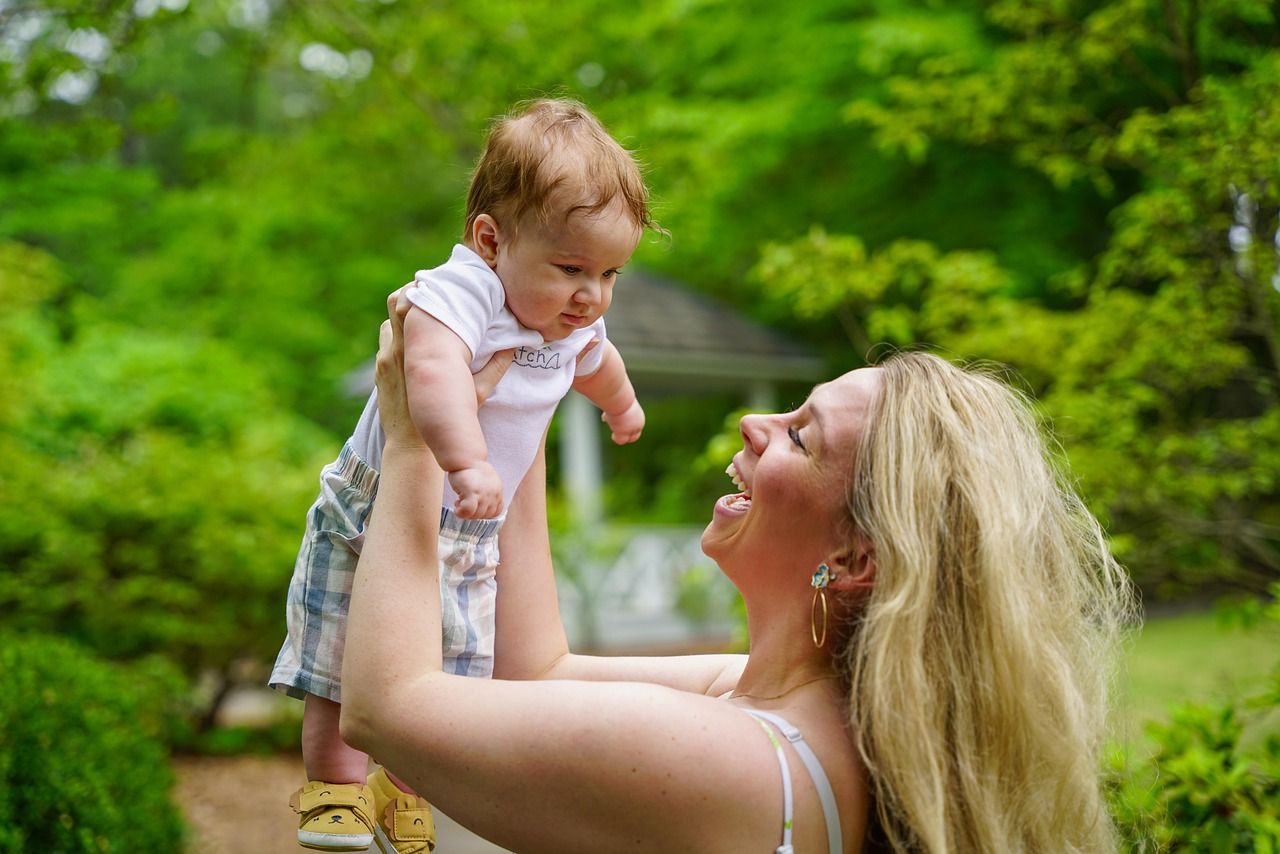
Representative image: Michelle-Maria / Pixabay
ADGM's consultation of 16 November 2026 proposes 65 extra unpaid maternity days and paid paternity leave of 15 days, up from five; comments close 9 December.
ADGM maternity leave: what happened
Abu Dhabi Global Market (ADGM), the international financial centre in the UAE capital, has proposed giving new mothers an extra 65 working days of unpaid maternity leave and tripling paid paternity leave from five working days to 15. The changes are set out in Consultation Paper No. 9 of 2026, which the ADGM Registration Authority opened on Monday, 16 November 2026, to amend its Employment Regulations 2024. The proposals are not yet law: the public can comment until Wednesday, 9 December 2026.
ADGM maternity leave: key facts
- Today, a mother working in ADGM gets 65 working days of maternity leave: the first 33 working days on full pay and the next 32 at half pay.
- The proposal adds 65 working days of unpaid leave on top, doubling the total time a mother can take off.
- Paid paternity leave would rise from five working days to 15.
- Fathers would also get five working days of unpaid leave straight after their paid paternity leave.
- The paper would state clearly that employees are paid their daily wage while on holiday.
- A new protection would shield employees from dismissal or other harm for asserting their rights under the regulations, with compensation of up to two years' wages where a court finds it appropriate.
- The consultation also covers changes to work permit rules.
ADGM maternity leave: why it matters
ADGM has its own Employment Regulations, issued in 2024, which apply to the companies registered in its free zone rather than the UAE's general labour rules. A change there therefore reaches every employer and employee in the financial centre at once, from large financial firms to small start-ups, without waiting for a national law.
The maternity proposal does not add paid days. What it offers is time. A mother who has used her 65 working days of paid and half-paid leave could, if the change goes through, stay home for about three more months without losing her job. Since 65 working days is about 13 working weeks, a mother taking all 130 days would be away for about 26 working weeks, roughly six months, instead of about three. It does, however, leave the cost of those extra months with the family, since the added days are unpaid.
The paternity change is larger in proportion. Fifteen paid working days, plus five unpaid, would give a father about four working weeks at home after a birth, compared with one week now. The extra unpaid week gives fathers a further option without adding to the employer's wage bill, while the paid days, which do cost employers, are the part of the package that grows most.
The new protection against dismissal for asserting legal rights matters for working parents in particular. A parent asking for leave, or querying pay during it, would have a clear legal remedy if punished for doing so.
Peepals calculation: Maternity leave would go from 65 to 130 working days in total (65 + 65), with the paid share falling from 100% of the leave to half of it (65 ÷ 130 = 50%). Paternity leave would go from 5 to 20 working days in total (15 paid + 5 unpaid), four times today's entitlement, with paid days tripled (15 ÷ 5 = 3). Our calculation from the reported figures.
| Leave | Now | Proposed |
|---|---|---|
| Maternity, paid or part-paid | 65 working days | 65 working days |
| Maternity, extra unpaid | None | 65 working days |
| Paternity, paid | 5 working days | 15 working days |
| Paternity, extra unpaid | None | 5 working days |
ADGM maternity leave: impact
Short-term: Nothing changes for employees yet. Employers, staff and advisers in ADGM can send comments on the draft before 9 December 2026.
Long-term: If adopted, the rules would give parents in ADGM firms much more flexibility around a birth. Employers would need to plan for longer absences and update their contracts and leave policies.
Who is affected: Employees and employers of companies registered in ADGM, including expatriate staff, and particularly expecting parents and their families.
What to watch next: The consultation closes on 9 December 2026. ADGM will then decide whether to adopt the amendments and from when.
ADGM maternity leave: key takeaway
Parents working for ADGM-registered firms should read the draft and, if they want a say, comment before 9 December, because the extra maternity time is unpaid and the final rules may differ.
ADGM maternity leave: questions and answers
How much maternity leave does ADGM propose?
The current 65 working days (33 on full pay, 32 on half pay) would stay, and new mothers could take a further 65 working days unpaid, for 130 working days in all.
What is the proposed ADGM paternity leave?
Fifteen working days of paid paternity leave, up from five, followed by up to five working days of unpaid leave.
Are these ADGM leave changes already in force?
No. They are proposals in Consultation Paper No. 9 of 2026, open for comment from 16 November to 9 December 2026.
Do the changes apply to all workers in Abu Dhabi?
No. ADGM has its own employment regulations, which cover companies registered in the ADGM free zone. Other employers in Abu Dhabi follow different rules.
Disclaimer: Prepared by the Peepals newsroom from publicly available sources with AI assistance. Information is accurate to the best of our knowledge at the time of publication and may change. Images may be representative. Not professional advice. Report an error via our contact page.
By Vikram Joshi, Life Balance CorrespondentCovers Life Balance and more for Peepals Shakti. All stories by Vikram Joshi
UNFPA State of World Population 2026: 91% of young people want children
Rene Caovilla India store opens at Delhi's DLF Emporio with DS Luxury
Your week ahead, every Sunday. Free.
Exam and result dates, IPOs opening, scheme deadlines, government holidays and the RBI decision for the next 7 days, plus the week's top stories. One email a week, unsubscribe in one click.
Vikram Joshi is a pen name of the Peepals Global Editorial Team, which researches, fact-checks and publishes every story. The portrait is an illustration.
Responsible for this story: the Peepals Global Editorial Team, led by editor Prashant Sonar. How we report