
Jools Oliver on late ADHD and autism diagnosis: why women are missed
 By Vikram JoshiLife Balance Correspondent, Peepals Shakti

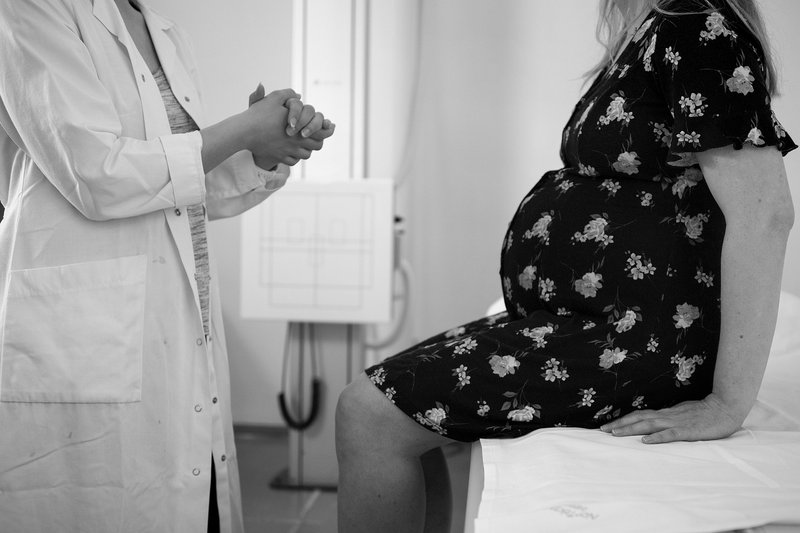
Representative image: picjumbo_com / Pixabay
Jools Oliver, 51, said on a podcast that years of undiagnosed ADHD 'ruined' 45 years of her life, putting late diagnosis in women in focus in October 2026.
What Happened
Jools Oliver, the author and wife of chef Jamie Oliver, has spoken publicly about being diagnosed with ADHD and autism in adulthood, describing years of not knowing as draining. Speaking on the Lessons From Our Mothers podcast hosted by Cressida Bonas, in an interview reported on October 26, 2026, the 51-year-old said she received her ADHD diagnosis about four years ago and that living without an explanation had "ruined" 45 years of her life while she thought something else was wrong. She said her own autism assessment followed after some of her children were diagnosed as autistic and she recognised similar traits in herself. Her comments led to a rise in searches for her name in the United Kingdom on October 28.
Key Facts
- Who: Jools Oliver, 51, author and designer, married to chef Jamie Oliver.
- Where she spoke: the Lessons From Our Mothers podcast, hosted by Cressida Bonas.
- ADHD: she said she was diagnosed roughly four years ago, in her late forties.
- Autism: she sought an assessment after some of her children were diagnosed and she saw the same traits in herself.
- Medication: she said she has been prescribed medicine but that health anxiety has left her afraid to take it.
- Menopause: she wondered aloud whether menopause was also playing a part in how she feels.
- Research: a clinical study of 900 adults in Barcelona found women are often diagnosed with ADHD years later than men.
Why It Matters
Jools Oliver's account mirrors what researchers have described for years: many girls and women with ADHD are missed in childhood and only diagnosed in adulthood, often after a child's diagnosis or a crisis prompts them to look for answers. Symptoms in girls are often quieter and more inward, such as daydreaming, disorganisation and anxiety, rather than the disruptive behaviour that teachers are more likely to notice. As a result, many women spend decades believing they are simply bad at coping.
That delay has real costs. A Cardiff University study published in the British Journal of Psychiatry found that girls diagnosed later had more mental health problems in adolescence, more absences from secondary school and more hospital appointments than girls diagnosed in early childhood. The researchers also found that the later-diagnosed girls had shown difficulties in early childhood, before anyone recognised ADHD.
Her comment about menopause also touches on an active area of research. A Monash University survey of 600 women already diagnosed with ADHD, published in the Journal of Psychiatric Research, found that 97 per cent said their symptoms got worse during menopause. Because the women reported their own symptoms, the researchers' findings point to a pattern rather than prove a cause, but they suggest that hormonal change can make long-managed symptoms harder to handle in midlife.
For Indian families, the story has a familiar ring. Many women who juggle careers, households and the care of children and elders put their own struggles down to stress or personality. A diagnosis, where it is warranted, can explain patterns of forgetfulness, overwhelm and burnout, and open the door to treatment and support. Assessment should be done by a qualified psychiatrist or clinical psychologist, not through online quizzes.
| Finding | Source |
|---|---|
| Women are often diagnosed with ADHD years later than men | Clinical study of 900 adults, Barcelona |
| Later-diagnosed girls had more teenage mental health problems and school absences | Cardiff University, British Journal of Psychiatry |
| 97% of diagnosed women said symptoms worsened in menopause | Monash University, Journal of Psychiatric Research |
Impact
Short-term: High-profile accounts like this one tend to prompt more adults, especially women, to ask whether ADHD or autism could explain their own difficulties, and to seek assessment.
Long-term: Wider awareness can push schools and doctors to look for quieter signs in girls earlier, which research suggests can reduce the problems that build up when the condition goes unrecognised.
Who is affected: Women who suspect they may have ADHD or autism, mothers of children who have recently been diagnosed, women going through perimenopause and menopause, and the doctors and teachers who are often the first to notice signs.
Key Takeaway
Jools Oliver's late diagnosis reflects a well-documented gap: girls and women with ADHD are frequently missed for years, and recognising the quieter signs earlier can spare them decades of struggling without an explanation.
Questions and Answers
What did Jools Oliver say about her ADHD diagnosis?
On the Lessons From Our Mothers podcast, Jools Oliver, 51, said she was diagnosed with ADHD about four years ago and that not knowing had "ruined" 45 years of her life while she believed something else was wrong. She also said she has been diagnosed as autistic.
Why are women often diagnosed with ADHD later than men?
Researchers say girls more often show quieter, inward symptoms such as inattention, daydreaming and anxiety, which are easier to overlook than disruptive behaviour. A clinical study of 900 adults in Barcelona found women were often diagnosed years later than men.
Can menopause make ADHD symptoms worse?
Some research suggests it can. In a Monash University survey of 600 women already diagnosed with ADHD, 97 per cent said their symptoms worsened during menopause. The findings are self-reported, so more research is needed to confirm the link.
Where can someone in India get help if they think they have ADHD?
An assessment should be done by a qualified psychiatrist or clinical psychologist, for example through a hospital psychiatry department. For immediate emotional support, India's Tele-MANAS mental health helpline is available on 14416.
Disclaimer: Prepared by the Peepals newsroom from publicly available sources with AI assistance. Information is accurate to the best of our knowledge at the time of publication and may change. Images may be representative. Not professional advice. Report an error via our contact page.
By Vikram Joshi, Life Balance CorrespondentCovers Life Balance and more for Peepals Shakti. All stories by Vikram Joshi
Get the day's stories in your inbox
Peepals Weekly: the week decoded, free. One email a week, unsubscribe in one click.
Vikram Joshi is a pen name of the Peepals Global Editorial Team, which researches, fact-checks and publishes every story. The portrait is an illustration.