
CHHAAP@Sabarmati 2026: NIFT craft festival brings 100-plus stalls to Ahmedabad
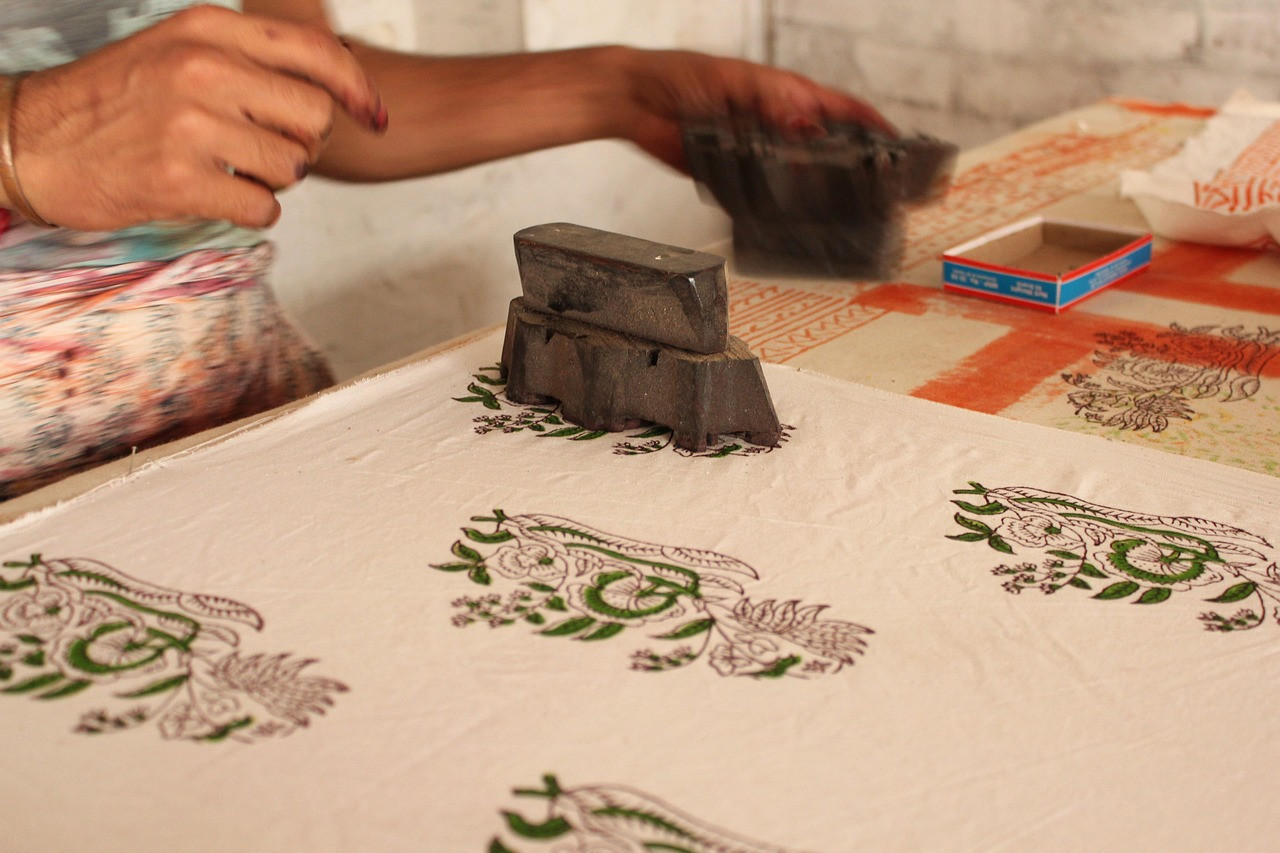
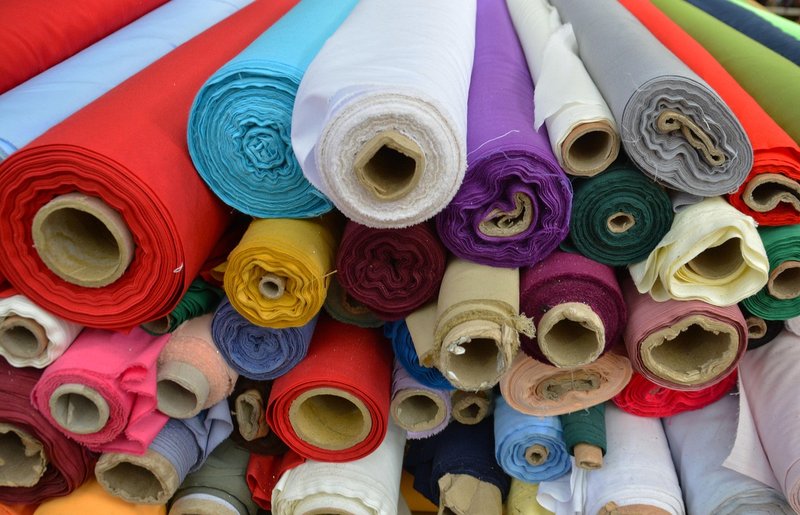
Representative image: Pujadm / Pixabay
NIFT Gandhinagar will hold CHHAAP@Sabarmati 2026, an eight-day handloom and craft festival with over 100 artisan and alumni stalls, at Ahmedabad's Sabarmati Riverfront from October 23 to 30.
What Happened
The National Institute of Fashion Technology (NIFT), Gandhinagar, will hold CHHAAP@Sabarmati 2026, an eight-day festival of Indian handloom, handicrafts and textile traditions, from Friday, October 23 to Friday, October 30, 2026, at Event Centre A on the Sabarmati Riverfront in Ahmedabad. The institute announced the festival at a press conference on October 16, 2026. It will have more than 100 stalls run by artisans and NIFT alumni, along with live craft demonstrations, hands-on workshops and an opening cultural evening.
Key Facts
- Event: CHHAAP@Sabarmati 2026, organised by NIFT Gandhinagar.
- Dates: October 23 to 30, 2026; inauguration at 11 am on October 23 and closing ceremony at 6:30 pm on October 30.
- Venue: Event Centre A, Sabarmati Riverfront, Ahmedabad.
- Scale: more than 100 stalls of artisans and NIFT alumni selling and showing handloom, handicrafts, textiles and traditional art.
- Daily programme: craft demonstrations from 11 am to 5 pm and live hands-on workshops from 5 pm to 9 pm, according to the published schedule.
- Crafts listed include Saudagiri block printing and Dabu block printing, two traditional hand-printing methods.
- Other features: a craft theme pavilion, conversations with artisans, masterclasses, panel discussions and a virtual-reality (VR) experience of crafts; the opening evening, Kala Sandhya, is described as the festival's signature celebration.
Why It Matters
"Chhaap" means print, and the festival puts India's hand-made textile traditions at the centre of a fashion institute's calendar. Block printing, in which artisans carve designs into wooden blocks and press them onto cloth by hand, is one of the oldest textile crafts in Gujarat and Rajasthan. Dabu is a mud-resist method: a paste of mud and other natural materials is printed onto fabric, which is then dyed, so the covered areas stay undyed. Live demonstrations let visitors and students see how much skill and time go into each length of fabric.
For artisans, festivals like this are a direct route to customers. Many craftspeople sell through middlemen and earn a small share of the final price. A stall at a well-publicised event in a large city such as Ahmedabad lets them sell directly, take orders, meet designers and build contacts with retailers. For the many women who work in handloom and handicrafts, often from home, better market access of this kind can make a real difference to household incomes.
For the fashion industry, the event reflects a growing interest in craft-based and sustainable clothing. Designers increasingly look to traditional techniques to make their collections distinctive. NIFT, which runs under the Union Ministry of Textiles, trains many of the designers who will decide whether such crafts reach mainstream wardrobes, and its alumni stalls at the festival show how graduates are turning craft into small businesses.
The programme also mixes the old and the new. A VR experience of crafts and masterclasses are aimed at young visitors, while panel discussions bring together designers and craftspeople on how traditional techniques can stay viable.
Impact
Short-term: Visitors in Ahmedabad get eight days, just before the Diwali shopping season, to buy directly from artisans and watch crafts being made. Participating artisans gain sales and orders.
Long-term: Regular events of this kind can help keep traditional techniques alive by making them pay. Contacts made between artisans, NIFT students and designers can lead to collaborations and new product lines.
Who is affected: Artisans and weavers, many of them women; NIFT students and alumni who run craft-based labels; designers and boutique owners looking for hand-made fabrics; and shoppers in Ahmedabad and Gandhinagar.
Key Takeaway
NIFT Gandhinagar's CHHAAP@Sabarmati 2026 brings more than 100 artisan and alumni stalls, live block-printing demonstrations and workshops to Ahmedabad's Sabarmati Riverfront from October 23 to 30.
Questions and Answers
When and where is CHHAAP@Sabarmati 2026?
CHHAAP@Sabarmati 2026 runs from October 23 to 30, 2026, at Event Centre A on the Sabarmati Riverfront in Ahmedabad. It is organised by NIFT Gandhinagar.
What can visitors see at CHHAAP@Sabarmati?
More than 100 stalls of artisans and NIFT alumni with handloom, handicrafts and textiles, daily craft demonstrations from 11 am to 5 pm, hands-on workshops from 5 pm to 9 pm, masterclasses, panel discussions and a VR experience of crafts.
Which crafts are featured?
The published schedule lists traditional crafts including Saudagiri and Dabu block printing among the live demonstrations, alongside other handloom and handicraft traditions.
What is Dabu printing?
Dabu is a traditional mud-resist printing method: a mud-based paste is printed onto cloth before dyeing, so the covered parts resist the dye and form the pattern.
Disclaimer: Prepared by the Peepals newsroom from publicly available sources with AI assistance. Information is accurate to the best of our knowledge at the time of publication and may change. Images may be representative. Not professional advice. Report an error via our contact page.
Sourced and fact-checked by the Peepals Global Editorial Team
Reported, fact-checked and published by the Peepals Global Editorial Team.