
MoSPI to ask women business owners about barriers in first-ever survey
 By Priya NairLeadership & Growth Editor, Peepals Shakti
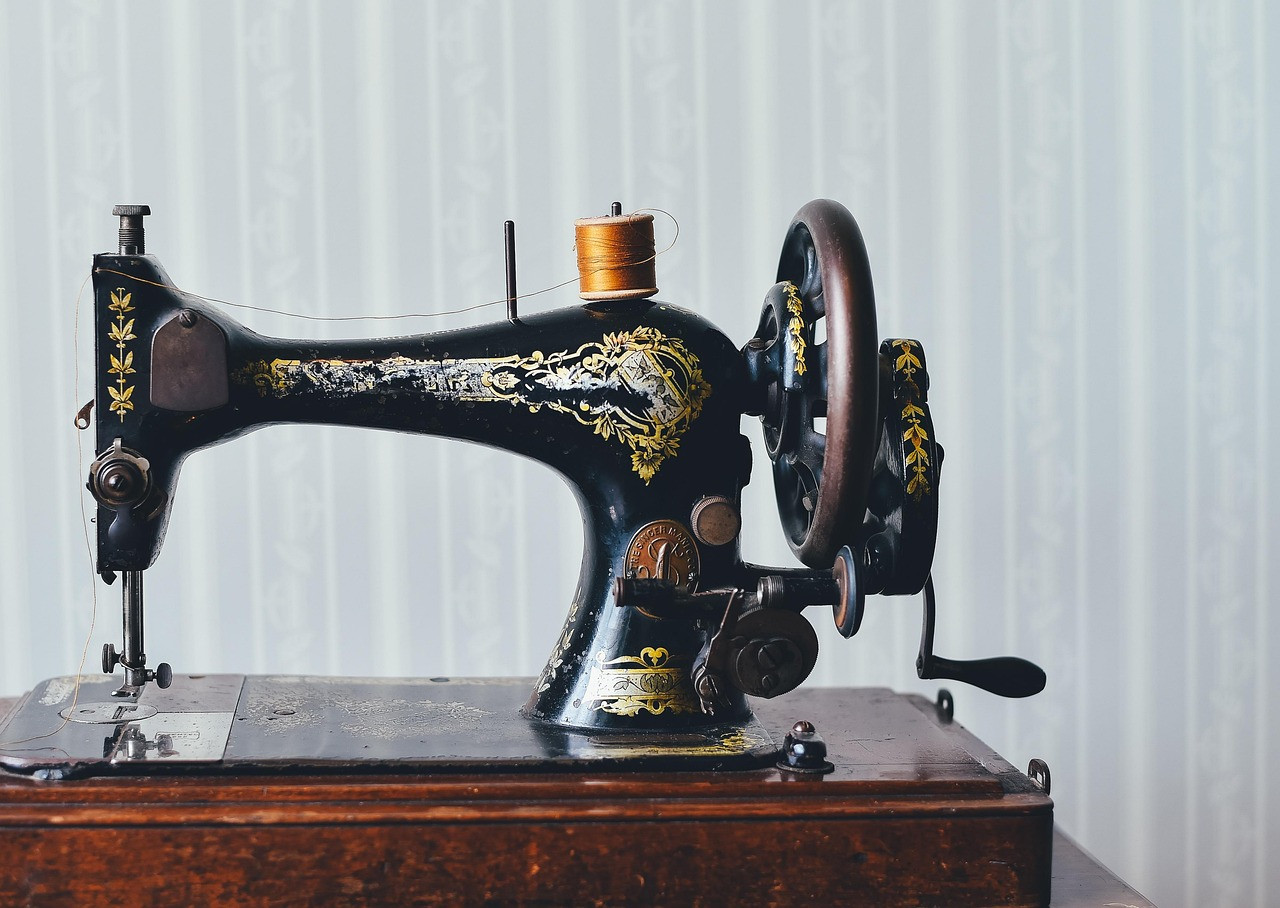
Representative image: Pexels / Pixabay
MoSPI's draft ASUSE 2027-28 questionnaire, out on October 26, 2026, would ask women entrepreneurs about the barriers they face; comments close November 15.
What Happened
India's National Statistics Office (NSO), part of the Ministry of Statistics and Programme Implementation (MoSPI), has proposed that its Annual Survey of Unincorporated Sector Enterprises (ASUSE) ask women business owners, for the first time, about the gender-specific difficulties they face in running and managing their businesses. The proposal is part of a draft questionnaire for the 2027-28 round, released for public comment on Monday, October 26, 2026. The ministry has invited feedback until November 15, 2026.
Key Facts
- The draft would add questions on constraints specific to women entrepreneurs, a first for the survey.
- ASUSE 2027-28 would follow the financial year, April 2027 to March 2028, instead of the calendar year used so far.
- Data for January to March 2027 will be collected under the existing ASUSE 2026 schedule, so the quarterly series does not break.
- New questions would also track investment in fixed assets over a longer period, the sources of electricity businesses use, and whether a business works in handloom, power-loom or handicrafts.
- Comments on the draft are open until November 15, 2026.
- In the ASUSE 2025 results, women owned 27.0% of proprietary establishments, up from 26.2% in 2023-24 and 22.9% in 2022-23, according to MoSPI.
Why It Matters
ASUSE is the government's main yearly measure of India's unincorporated, non-farm businesses: small shops, workshops, tailoring units, home-based manufacturers, repair services and the like that are not registered as companies. These are the businesses through which most Indian women who work for themselves earn a living. The survey already counts how many of these businesses women own. What it has not done until now is ask why women-owned businesses stay small, or what stops them from growing.
That gap matters for policy. Schemes for women entrepreneurs, such as credit lines, procurement preferences and skilling programmes, are designed and judged largely on counts: how many loans, how many registrations, how many women trained. A national survey that records the specific barriers women report would give ministries, banks and state governments evidence on where support is missing, not just where it has been delivered. MoSPI has framed the change as a way to identify the barriers affecting women-led enterprises.
Reports on the draft also stress a limit. The new questions are designed to record the obstacles women name; they are proposals at this stage, and the final wording can change after comments close. They will not, on their own, measure how large each obstacle is or explain its causes. Readers should treat any future results as a starting map rather than a full diagnosis.
The other changes help the women's questions too. Moving to the April-March financial year lines the survey up with budgets and company accounts, making it easier to compare with other official data. Identifying handloom, power-loom and handicraft units is relevant because many such units are run by women, and tracking fixed-asset investment over a longer period will show whether small businesses are buying machines and equipment, a sign of growth.
Women's share of proprietary establishments (MoSPI ASUSE) Survey round | Share owned by women 2022-23 | 22.9% 2023-24 | 26.2% 2025 | 27.0%
Impact
Short-term: Women entrepreneurs, self-help groups, industry bodies and researchers can send comments on the draft questionnaire before November 15, 2026. Suggestions made now can shape which barriers the survey asks about.
Long-term: Once the 2027-28 round is completed and published, India would have its first nationwide, official data on the barriers women face in running unincorporated businesses. That evidence could guide the design of credit, market-access and skilling schemes, and let the public check whether those schemes address the problems women actually report.
Who is affected: Women who own or run small, unregistered businesses across India; the NSO field staff who will collect the data; ministries and state departments that design schemes for women entrepreneurs; and lenders and researchers who rely on official small-business data.
Key Takeaway
MoSPI's draft ASUSE 2027-28 questionnaire would, for the first time, ask women business owners what holds them back, with public comments open until November 15, 2026.
Questions and Answers
What is the Annual Survey of Unincorporated Sector Enterprises?
It is a yearly survey by India's National Statistics Office, under the Ministry of Statistics and Programme Implementation, that measures unincorporated non-agricultural businesses, such as small manufacturing units, shops and service providers that are not registered as companies.
What new question about women entrepreneurs has MoSPI proposed?
The draft for the 2027-28 round would, for the first time, ask about gender-specific difficulties women face in running and managing their businesses, to help identify the barriers affecting women-led enterprises.
How many small businesses in India are owned by women?
According to MoSPI's ASUSE 2025 results, women owned 27.0% of proprietary establishments, up from 26.2% in 2023-24 and 22.9% in 2022-23.
Can the public comment on the proposed women entrepreneurs survey?
Yes. The ministry has invited feedback on the draft ASUSE 2027-28 questionnaire until November 15, 2026. The proposals are not final and may change after comments are reviewed.
Disclaimer: Prepared by the Peepals newsroom from publicly available sources with AI assistance. Information is accurate to the best of our knowledge at the time of publication and may change. Images may be representative. Not professional advice. Report an error via our contact page.
By Priya Nair, Leadership & Growth EditorCovers Leadership & Growth and more for Peepals Shakti. All stories by Priya Nair
Shirley Setia's ISLAND Beauty raises Rs 2.58 crore in first institutional round
UK Budget ends Carer's Allowance cliff edge for family carers
Get the day's stories in your inbox
Peepals Weekly: the week decoded, free. One email a week, unsubscribe in one click.
Priya Nair is a pen name of the Peepals Global Editorial Team, which researches, fact-checks and publishes every story. The portrait is an illustration.