
Postnatal depression may reach babies through breast milk signals, mouse study suggests
 By Vikram JoshiLife Balance Correspondent, Peepals Shakti

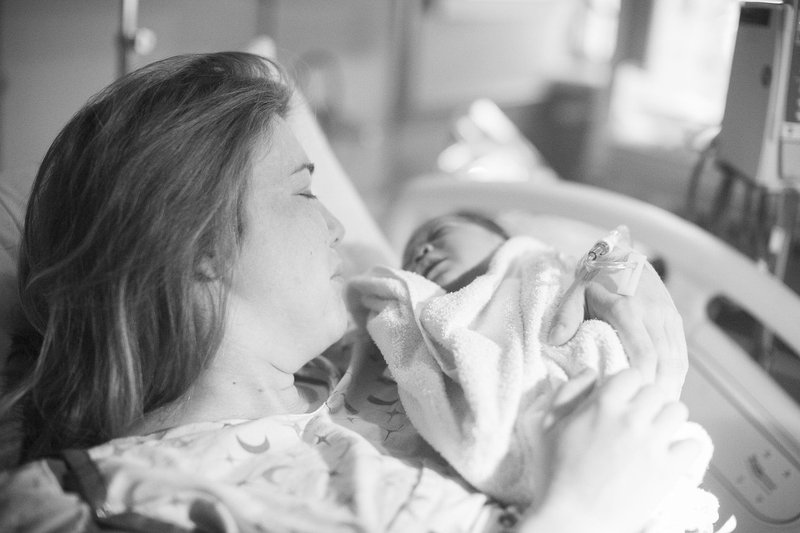
Representative image: Modzmana / Pixabay
A Nanjing University study in Cell Metabolism, reported October 27, 2026, links postnatal depression to milk microRNAs that altered brain development in mice.
What Happened
Researchers at Nanjing University in China have reported that breast milk from mothers with postnatal depression carries higher levels of three tiny genetic molecules, called microRNAs, and that in mice these molecules travelled to the young animals' brains and disturbed how new brain cells developed. The study, published in the journal Cell Metabolism and reported on Tuesday, October 27, 2026, is early research. The links between milk and brain changes were shown in mice, not in human babies.
Key Facts
- The team compared breast milk from 40 mothers with postnatal depression and 51 mothers without it, according to a report on the study.
- Three microRNAs, miR-15a-5p, miR-15b-5p and miR-205-5p, were higher in the milk of mothers with depression and in mouse models of the condition.
- The molecules travel inside tiny bubbles in milk called small extracellular vesicles.
- In mice, the microRNAs reached the pups' brains and reduced a receptor called mGluR8, which normally acts as a brake on a brain signal called glutamate.
- Without that brake, developing cells in the hippocampus, a brain region important for learning and memory, received too much stimulation and matured abnormally.
- The affected mice showed learning and memory problems that lasted into adulthood, according to the report.
- Blocking the release of the vesicles, or neutralising the three microRNAs, prevented or reduced the changes in mice.
Why It Matters
Postnatal depression, also called postpartum depression, is depression that begins in the months after childbirth. The study's authors say it affects roughly 10% to 20% of women worldwide. This study suggests one possible biological route by which a mother's depression could affect a baby's development, beyond the effects of caregiving and the home environment.
It is important to be clear about what the research does not show. The cause-and-effect findings come from experiments in mice. The human part of the study measured molecules in milk from 91 women; it did not follow babies to see whether their brains or learning were affected. The study does not show that breastfeeding by mothers with depression harms human children, and it is not a reason for any mother to change how she feeds her baby on her own. Feeding decisions should be made with a doctor.
The more useful message for families is about early care for mothers. If postnatal depression can affect children in ways not yet understood, it adds weight to screening new mothers for depression and treating it quickly. Low mood after childbirth can be dismissed as tiredness. A mother whose sadness, worry or loss of interest lasts for weeks should speak to a doctor or health worker; that is the practical step for families.
Researchers will now need larger human studies to test whether the same molecules affect babies and whether treating a mother's depression changes the milk. If confirmed, the findings could one day lead to tests or treatments, but that is a long way off.
| Study at a glance | Detail |
|---|---|
| Journal | Cell Metabolism (reported October 27, 2026) |
| Human milk samples | 40 mothers with postnatal depression, 51 without |
| Key molecules | miR-15a-5p, miR-15b-5p, miR-205-5p |
| Main evidence | Mouse experiments |
| Limits | No follow-up of human babies' brain development |
If you or someone you know needs help, call Tele-MANAS on 14416.
Impact
Short-term: The study adds to calls for routine screening and treatment of depression in new mothers, but it does not change feeding advice.
Long-term: Larger human studies could show whether milk microRNAs matter for babies and whether they could be used as markers or treatment targets.
Who is affected: New mothers and their families, doctors and health workers who care for women after childbirth, and researchers studying maternal mental health.
Key Takeaway
A Cell Metabolism study links postnatal depression to three breast milk microRNAs that altered brain development in mice, but it has not shown harm to human babies.
Questions and Answers
What did the postnatal depression and breast milk study find?
Nanjing University researchers found three microRNAs were higher in the milk of mothers with postnatal depression; in mice, these molecules reached the pups' brains and disturbed the development of new brain cells.
Does this mean mothers with postnatal depression should stop breastfeeding?
No such conclusion can be drawn. The harmful effects were seen in mice, and human babies were not studied. Any feeding decision should be made with a doctor.
How common is postnatal depression?
The study's authors say it affects about 10% to 20% of women worldwide.
Where can new mothers in India get help for depression?
They can speak to their doctor or health worker, or call the Tele-MANAS mental health helpline on 14416.
Disclaimer: Prepared by the Peepals newsroom from publicly available sources with AI assistance. Information is accurate to the best of our knowledge at the time of publication and may change. Images may be representative. Not professional advice. Report an error via our contact page.
By Vikram Joshi, Life Balance CorrespondentCovers Life Balance and more for Peepals Shakti. All stories by Vikram Joshi
Get the day's stories in your inbox
Peepals Weekly: the week decoded, free. One email a week, unsubscribe in one click.
Vikram Joshi is a pen name of the Peepals Global Editorial Team, which researches, fact-checks and publishes every story. The portrait is an illustration.