
Olivia Chow re-elected Toronto mayor, wins first full term
 By Priya NairLeadership & Growth Editor, Peepals Shakti
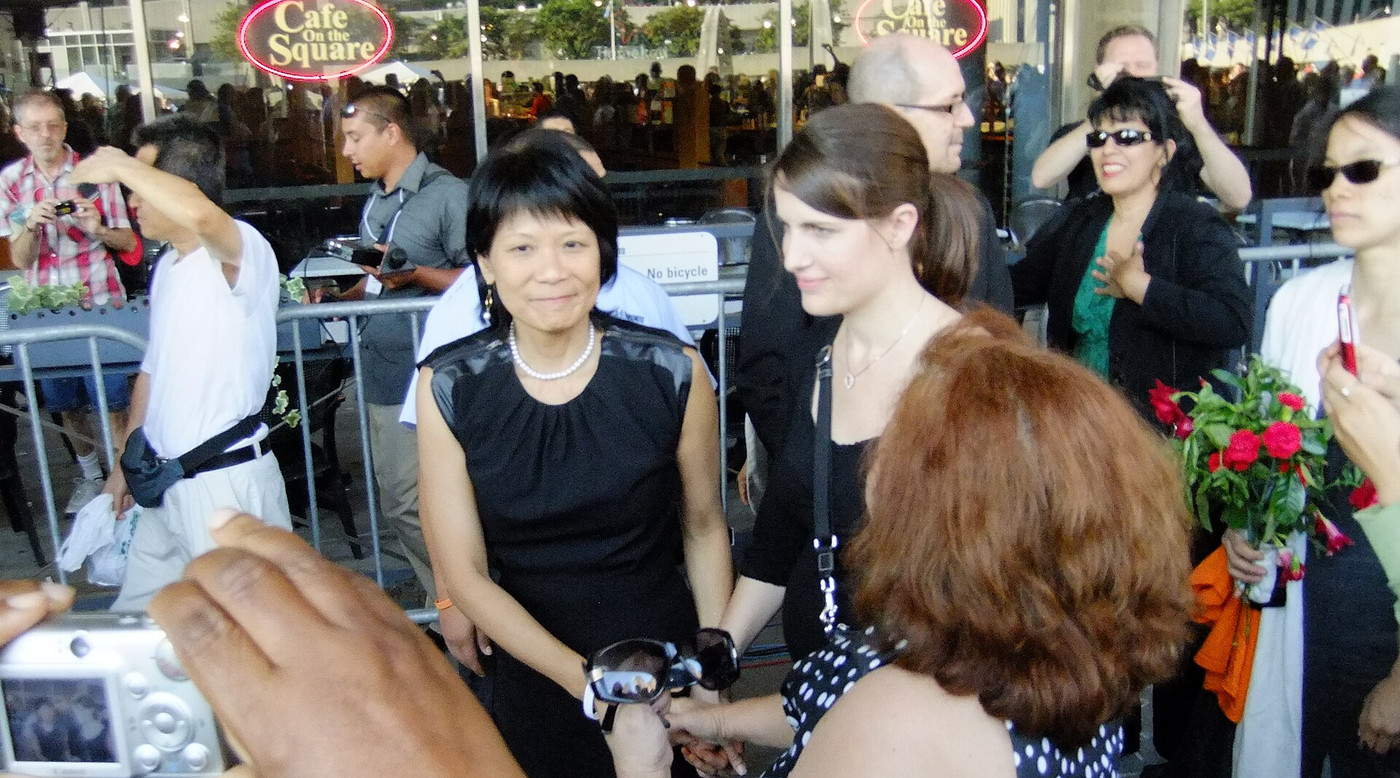
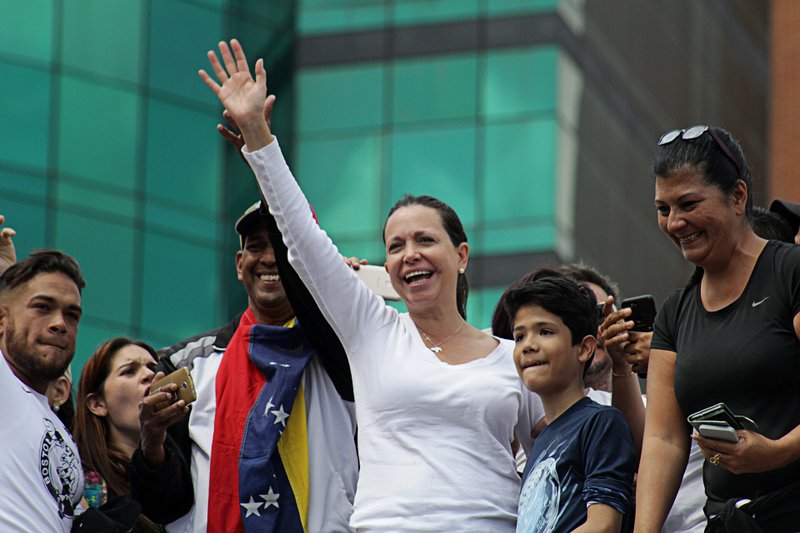
File photo: Ed Van-West Garcia (CC BY-SA 2.0), via Wikimedia Commons
Olivia Chow was re-elected mayor of Toronto on October 26, 2026, taking about 54% of the vote to Brad Bradford's 41%, and wins her first full term.
What Happened
Olivia Chow was re-elected mayor of Toronto, Canada's largest city, in the municipal election held on Monday, October 26, 2026. With 99.2% of polls reporting, projections gave her about 54.2% of the vote against 41.1% for her main challenger, city councillor Brad Bradford. Chow was first elected in a 2023 by-election, so this victory gives her a first full term as mayor. Bradford had taken a slight lead in the earliest counts before Chow moved ahead.
Key Facts
- Election day: Monday, October 26, 2026.
- Result: Olivia Chow about 54.2%, Brad Bradford about 41.1%, with 99.2% of polls reporting.
- Wards: Chow appeared to win 19 of Toronto's 25 wards, including every ward in Scarborough and Bradford's own ward of Beaches-East York.
- Background: Chow first became mayor in the 2023 by-election held after John Tory resigned.
- What it means: her first full term at the head of the city government.
- Status: the figures are election-night projections; final certified results follow.
Why It Matters
Toronto is Canada's biggest city and one of the largest city governments in North America. Its mayor oversees services used daily by millions of people, from public transport and housing to policing budgets and roads. Winning a full term gives Chow a stronger mandate than she had after the by-election, when she took over midway through a council term.
The scale of the result is important too. Taking around 54% in a race with a well-known opponent, and carrying 19 of 25 wards, suggests her support was spread across the city rather than concentrated in a few areas. Winning Bradford's own ward is a sign of how broad that support was. Bradford's early lead, which faded as more polls reported, shows the race was competitive in parts of the city. For Chow, the result also settles a question that hangs over any leader who first wins office in a by-election: whether voters will back her again when the whole city votes at a regular election. On October 26 they did, by a margin of about 13 percentage points.
For readers interested in women's leadership, Chow's re-election is a case of a woman not only reaching one of a country's most visible city posts but holding it when voters had a direct choice. Incumbency matters for any leader: those who win re-election get the time to complete long projects, such as transit lines and housing programmes, that rarely finish in a single short term.
Toronto also matters to India. The Greater Toronto Area is home to a large Indian-origin community, and municipal decisions on housing, transport and public services shape daily life for many Indian students, workers and families who have moved there. The same night, voters across the region, including in Brampton and Mississauga, also elected their local councils.
| Candidate | Approximate vote share (99.2% of polls reporting) |
|---|---|
| Olivia Chow | 54.2% |
| Brad Bradford | 41.1% |
Impact
Short-term: Chow begins a new term with a clear majority of the vote and a new city council. Final certified results are expected after election night.
Long-term: A full term gives her room to push longer-term plans on housing, transit and the city budget, and to be judged on them at the next election.
Who is affected: Toronto residents, including the large Indian-origin community and international students; city workers; and businesses that depend on city decisions on transport, permits and taxes.
Key Takeaway
Olivia Chow's win on October 26, 2026, with about 54% of the vote and 19 of 25 wards, turns her by-election mandate into a full term as mayor of Canada's largest city.
Questions and Answers
Who won the 2026 Toronto mayoral election?
Olivia Chow was re-elected mayor on October 26, 2026, with about 54.2% of the vote, ahead of Brad Bradford at about 41.1%, with 99.2% of polls reporting.
Is this Olivia Chow's first term as Toronto mayor?
No. She first became mayor in a 2023 by-election after John Tory resigned. This victory gives her a first full term.
How many wards did Olivia Chow win?
Election-night results showed her winning 19 of Toronto's 25 wards, including all of Scarborough and Bradford's home ward of Beaches-East York.
Are these the final results?
They are election-night projections with nearly all polls reporting. Final certified results are released by the city after the count is completed.
Who is Brad Bradford?
He is a Toronto city councillor whose ward is Beaches-East York. He was Chow's main challenger and finished second with about 41% of the vote, losing even his home ward.
Disclaimer: Prepared by the Peepals newsroom from publicly available sources with AI assistance. Information is accurate to the best of our knowledge at the time of publication and may change. Images may be representative. Not professional advice. Report an error via our contact page.
By Priya Nair, Leadership & Growth EditorCovers Leadership & Growth and more for Peepals Shakti. All stories by Priya Nair
Women's heart health: four US medical bodies set out four life stages
Natalie Nakase's Valkyries one win from WNBA title after Game 5 victory
Get the day's stories in your inbox
Peepals Weekly: the week decoded, free. One email a week, unsubscribe in one click.
Priya Nair is a pen name of the Peepals Global Editorial Team, which researches, fact-checks and publishes every story. The portrait is an illustration.