
UK launches £15 million misogyny prevention fund for schools, workplaces
 By Priya NairLeadership & Growth Editor, Peepals Shakti
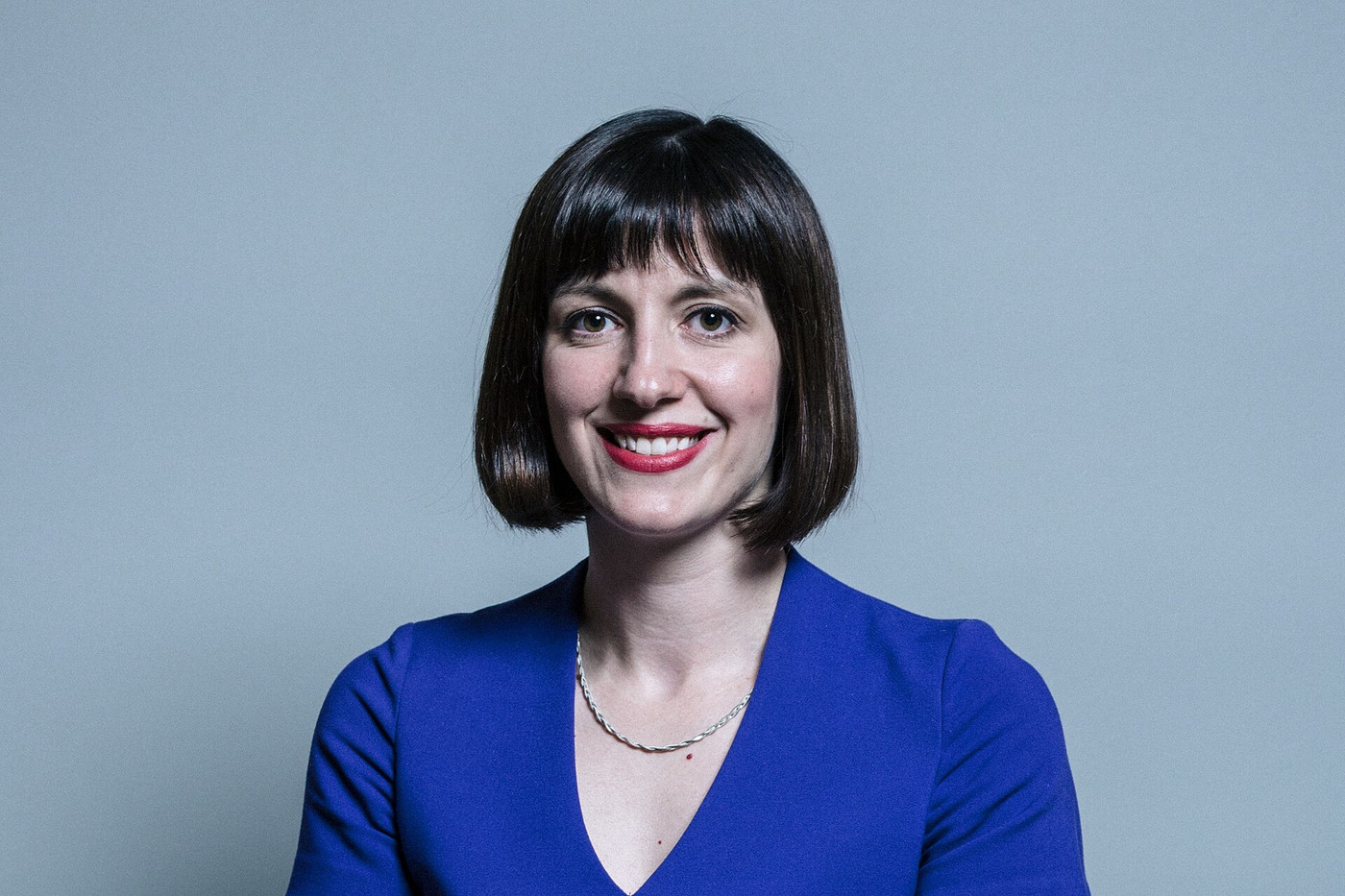
File photo: Chris McAndrew (CC BY 3.0), via Wikimedia Commons
The UK launched a £15 million, three-year misogyny prevention fund on October 27, 2026, for mentoring, workplace training and public campaigns.
What Happened
The UK government has launched what it calls its first ever misogyny prevention fund, putting £15 million over three years into work to tackle hostility and prejudice against women in schools, workplaces and public places. The fund was announced on October 27, 2026 by Chancellor John Healey and Bridget Phillipson, the Minister for Women and Equalities, ahead of the Budget on October 28. The money will be managed through the Office for the Impact Economy and is meant to attract matching money from companies and philanthropists. Planned uses include mentoring for young people, training in workplaces and public awareness campaigns.
Key Facts
- The misogyny prevention fund is worth £15 million over three years.
- It was announced on October 27, 2026 by Chancellor John Healey and Minister for Women and Equalities Bridget Phillipson.
- The money goes through the Office for the Impact Economy, with the aim of drawing in match funding from businesses and philanthropists.
- Its uses include mentoring for young people, workplace training and communications campaigns.
- Separately, the government has announced a £20 million package for schools on relationships, online misogyny and disinformation, under its strategy on violence against women and girls.
- The Conservatives have questioned whether the funding will make women and girls safer, according to reports.
Why It Matters
Concern about misogyny in Britain has grown alongside the rise of online influencers who promote hostile views about women to boys and young men, sometimes called the "manosphere". Teachers and inspectors have reported such attitudes showing up in classrooms. Phillipson has spoken about the issue for several years, including when her party was in opposition, linking classroom misogyny to the influence of figures such as Andrew Tate.
The new fund takes a different approach from traditional policing or legal measures. Instead of reacting after harm is done, it aims to change attitudes early, through mentors who can offer boys positive role models, training for workplaces and campaigns aimed at the public. Using a relatively small public sum to attract private money is designed to make the programme bigger than the government could fund alone.
For women at work, the workplace training element is significant. Harassment and everyday sexism are widely cited as barriers to women's progress at work, because they can affect whether women stay in jobs, seek promotion and take on leadership roles. A programme that reaches employers could help create workplaces where women can advance on merit.
Critics have raised reasonable questions. £15 million over three years is modest for a country-wide problem, and success depends on whether private partners actually add money and whether the projects can show real changes in behaviour. The fund's results will need to be measured carefully.
| Measure | Amount | Focus |
|---|---|---|
| Misogyny prevention fund | £15 million over three years | Mentoring, workplaces, public campaigns |
| Schools package (separate) | £20 million | Relationships, online misogyny, disinformation |
Impact
Short-term: Organisations working with young people and employers can expect calls for projects, and the government will look for corporate and philanthropic partners to match its funding.
Long-term: If the projects work, they could help reduce harassment and hostility towards women in schools and workplaces, supporting women's safety and career progress. If they fall short, pressure will grow for larger or different measures.
Who is affected: Women and girls in the UK, boys and young men exposed to online misogyny, schools and teachers, employers, and charities working on gender equality. Similar debates about online misogyny and safe workplaces are also under way in India, so the results of the British approach will be of interest to policymakers and employers here.
Key Takeaway
Britain has set up a £15 million, three-year misogyny prevention fund focused on mentoring, workplaces and public campaigns, hoping to multiply it with private money, though critics doubt it will be enough.
Questions and Answers
What is the UK's misogyny prevention fund?
A £15 million, three-year government fund announced on October 27, 2026 to tackle misogyny through mentoring for young people, workplace training and public campaigns, with the aim of attracting matching private money.
Who announced it?
Chancellor John Healey and Bridget Phillipson, the Minister for Women and Equalities, ahead of the October 28 Budget.
Is there separate money for schools?
Yes. The government has also announced a separate £20 million package for schools covering relationships, online misogyny and disinformation.
What do critics say?
The Conservatives have questioned whether the funding will make women and girls safer, and the sum is small compared with the scale of the problem.
Disclaimer: Prepared by the Peepals newsroom from publicly available sources with AI assistance. Information is accurate to the best of our knowledge at the time of publication and may change. Images may be representative. Not professional advice. Report an error via our contact page.
By Priya Nair, Leadership & Growth EditorCovers Leadership & Growth and more for Peepals Shakti. All stories by Priya Nair
Get the day's stories in your inbox
Peepals Weekly: the week decoded, free. One email a week, unsubscribe in one click.
Priya Nair is a pen name of the Peepals Global Editorial Team, which researches, fact-checks and publishes every story. The portrait is an illustration.