One in three OB-GYN trainees, mostly young women, shows depression in first year
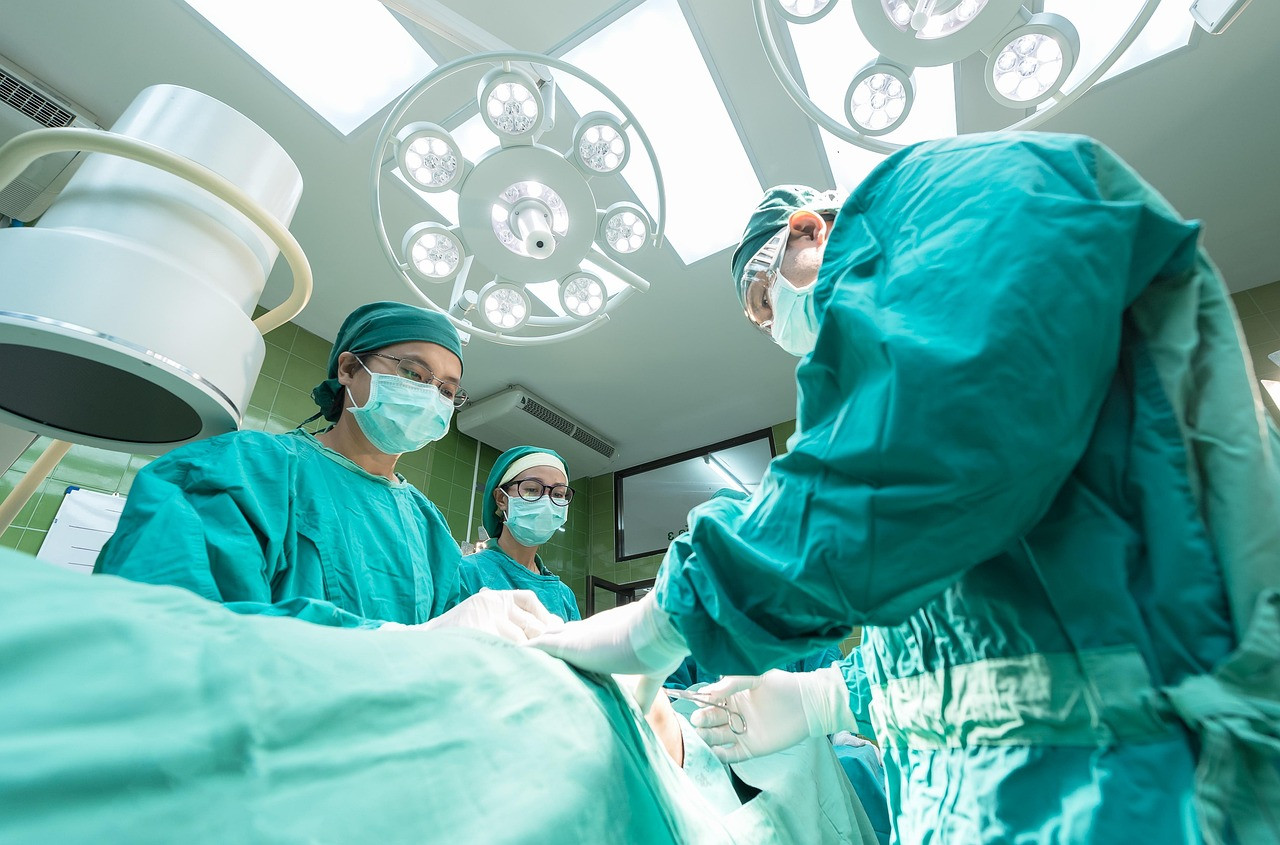
Representative image: sasint / Pixabay
A US study of 1,603 first-year OB-GYN residents, 86.5% women, found 35.6% screened positive for depression and fewer than a third sought help.
What Happened
More than a third of first-year obstetrics and gynaecology (OB-GYN) residents in the United States, a group made up overwhelmingly of young women, showed signs of depression during their first year of training, and fewer than a third of them sought mental health care, according to a study published in the American Journal of Obstetrics and Gynecology and reported on 13 and 14 October 2026. The University of Michigan researchers, working as part of the long-running Intern Health Study, followed 1,603 OB-GYN interns, 86.5 per cent of them women with a median age of 27. Of the 1,271 who completed at least one assessment, 35.6 per cent screened positive for depression at some point during the year. Less sleep, longer working hours and reported medical errors were linked to worsening symptoms.
Key Facts
- The study followed 1,603 first-year OB-GYN residents in the US; 86.5 per cent were women and the median age was 27.
- Of the 1,271 interns included in the analysis, 35.6 per cent screened positive for depression on a standard questionnaire at least once during internship.
- Fewer than a third of those affected sought mental health treatment, which the authors described as critically low.
- Baseline risk factors included a past history of depression, higher starting symptoms, a difficult early family environment and not having a committed partner.
- Worsening symptoms were associated with less sleep, longer work hours and reported medical errors.
- The study is observational, so it shows associations rather than proving that long hours cause depression.
- Data from the wider Intern Health Study show that the average rise in depressive symptoms during the intern year has fallen by 24 per cent over time, though progress has been slower in surgical programmes.
Why It Matters
The first year after medical school is one of the hardest transitions in any career: long shifts, high stakes and little control over one's time. OB-GYN is a specialty where most trainees are women, and many are at an age when they are also thinking about relationships, marriage and starting families. The study shows how heavily that combination can weigh on mental health.
The most worrying finding is not the rate of depression but how few sought help. Doctors who spend their days caring for others often struggle to admit they need care themselves, whether because of stigma, lack of time or fear of what it might mean for their careers. The authors' call for more attention is a call to make help easier to reach during training.
The links to sleep and working hours also matter. They suggest that how residency is organised, not just individual resilience, shapes trainees' wellbeing. For Indian readers, the questions the study raises about duty hours, rest and seeking help apply to trainee doctors everywhere, many of whom are young women balancing demanding training with personal lives.
| Measure | Finding |
|---|---|
| Interns enrolled | 1,603 (86.5% women) |
| Included in analysis | 1,271 |
| Screened positive for depression | 35.6% |
| Sought treatment | Fewer than one in three of those affected |
| Linked to worse symptoms | Less sleep, longer hours, medical errors |
Impact
Short-term: Training programmes are likely to face renewed pressure to screen residents for depression and to make confidential mental health support easier to access during the first year.
Long-term: If programmes act on the links with sleep and working hours, the design of residency schedules could change. Better support for trainees may also improve patient safety, since medical errors were associated with worsening symptoms.
Who is affected: Young doctors in training, especially women in OB-GYN; residency programme directors and hospitals; medical regulators; and patients, whose care depends on doctors' wellbeing.
Key Takeaway
More than one in three first-year OB-GYN residents in a large US study, most of them young women, showed signs of depression, yet fewer than a third sought help.
Questions and Answers
How common is depression among first-year OB-GYN residents?
In a study of 1,271 US OB-GYN interns published in October 2026, 35.6 per cent screened positive for depression at least once during their first year.
Why does this study matter for women?
Of the 1,603 interns enrolled, 86.5 per cent were women with a median age of 27, so the findings largely describe the mental health of young women in a demanding medical career.
What factors were linked to depression?
Past depression, higher baseline symptoms, a difficult early family environment and not having a committed partner were risk factors. Less sleep, longer hours and medical errors were linked to worsening symptoms.
Did the residents seek help?
Fewer than a third of those who screened positive sought mental health care, which the researchers called critically low.
Disclaimer: Prepared by the Peepals newsroom from publicly available sources with AI assistance. Information is accurate to the best of our knowledge at the time of publication and may change. Images may be representative. Not professional advice. Report an error via our contact page.
Sourced and fact-checked by the Peepals Global Editorial Team
BEAUTY&YOU India 2026: Laani, Boldpurity and Agapi Sikkim among winners
Portugal moves to six months of fully paid parental leave for shared care
Reported, fact-checked and published by the Peepals Global Editorial Team.