Close bonds in childhood linked to less depression at 24, study of 3,499 finds

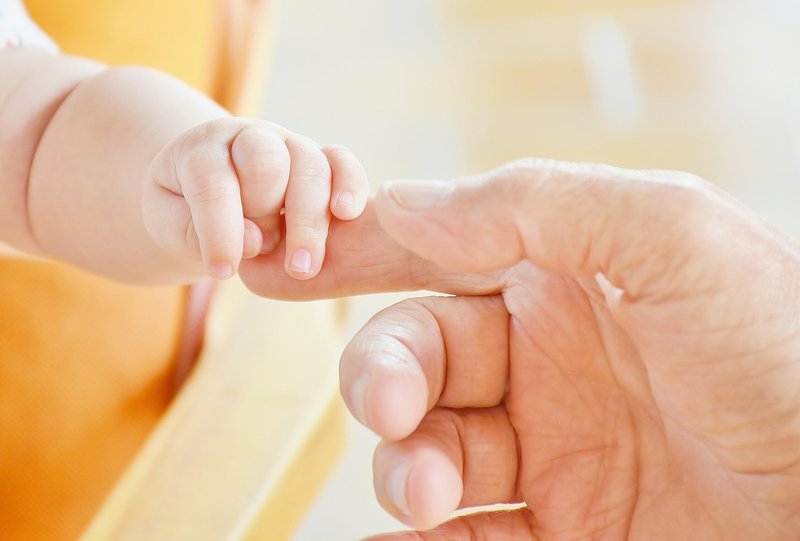
Representative image: ParentiPacek / Pixabay
Each extra positive childhood experience, like a close bond with a parent or teacher, was linked to 16% lower odds of depression at 24 in a 3,499-child study.
What Happened
Children who grow up with more positive experiences, such as a good relationship with a parent, a supportive teacher and close friendships, are less likely to suffer from depression and anxiety as young adults, according to a study by researchers at RCSI University of Medicine and Health Sciences and the FutureNeuro research centre in Ireland, published this month in the American Journal of Psychiatry. The team analysed data on 3,499 children from the Avon Longitudinal Study of Parents and Children in England, tracking ten types of positive experience from birth to age 17 and assessing their mental health at age 24. Each additional positive experience was linked to 16 per cent lower odds of moderate to severe depression by 24.
Key Facts
- The study followed 3,499 children from the Avon Longitudinal Study of Parents and Children, from birth to age 17, with a mental health assessment at age 24.
- It measured ten types of positive childhood experience, including a good relationship with a parent, a good relationship with a teacher and supportive friendships.
- Each one-point rise in the positive experience score was linked to 16 per cent lower odds of moderate to severe depression by age 24.
- The same rise was linked to 9 per cent lower odds of generalised anxiety disorder and 11 per cent lower odds of any psychiatric disorder between ages 18 and 24.
- The links held after the researchers accounted for trauma, socioeconomic factors and genetic risk.
- Results for psychosis were inconclusive because there were only 33 cases.
Why It Matters
Much research on childhood and mental health has focused on harm: abuse, neglect, poverty and other adverse experiences. This study looks at the other side of the ledger. It suggests that the good things in a child's life are not just the absence of bad ones, but have their own protective effect that lasts into adulthood. That is a hopeful message for parents, because many of the experiences measured, such as feeling close to a parent or having a trusted adult at school, are within a family's and a community's power to build.
The finding that the benefit held even after accounting for trauma is especially important. It means positive experiences appear to help children who have also faced hardship, not only those who grew up in easy circumstances. It also held after allowing for family income and genetic risk, two factors that often cloud studies of mental health.
There are limits. The study is observational, so it shows an association rather than proof that positive experiences cause better mental health. The children were from one region of England, and family life in India differs in many ways, from joint families to the role of grandparents and community. Still, the core experiences measured, warm relationships with parents, teachers and friends, are universal, and the results fit a recent review of 28 studies that found a similar pattern.
| Outcome by age 24 | Change in odds per extra positive experience |
|---|---|
| Moderate to severe depression | 16 per cent lower |
| Generalised anxiety disorder | 9 per cent lower |
| Any psychiatric disorder (ages 18-24) | 11 per cent lower |
| Psychosis | Inconclusive (33 cases) |
Impact
Short-term: The findings give parents, schools and counsellors evidence to prioritise everyday relationships, such as regular time together, encouragement from teachers and support for friendships, alongside efforts to prevent harm.
Long-term: If policymakers take the results on board, child and youth mental health programmes may put more weight on building positive experiences, not only on screening for trauma, which could reduce depression and anxiety in young adults.
Who is affected: Parents and caregivers, teachers and schools, children and teenagers, and mental health services planning for young people.
Key Takeaway
A study of 3,499 children finds that more positive childhood experiences, like close bonds with parents, teachers and friends, are linked to lower depression and anxiety at age 24.
Questions and Answers
What are positive childhood experiences?
They are supportive experiences in a child's life. In this study they included things such as a good relationship with a parent, a good relationship with a teacher and supportive friendships, ten types in all, tracked from birth to age 17.
How much do positive childhood experiences lower the risk of depression?
In the study, each additional positive experience was linked to 16 per cent lower odds of moderate to severe depression by age 24, and 9 per cent lower odds of generalised anxiety disorder.
Do positive experiences help children who have faced trauma?
The study found the protective link held even after accounting for trauma, as well as socioeconomic factors and genetic risk, suggesting the benefit also applies to children who have faced hardship.
Does this prove good childhood experiences prevent mental illness?
No. The study is observational, so it shows an association, not cause and effect. But it adds to a growing body of research pointing in the same direction.
Disclaimer: Prepared by the Peepals newsroom from publicly available sources with AI assistance. Information is accurate to the best of our knowledge at the time of publication and may change. Images may be representative. Not professional advice. Report an error via our contact page.
Sourced and fact-checked by the Peepals Global Editorial Team
Chrystia Freeland memoir recounts her exit from Trudeau cabinet and the Trump years
McQueen and Calvin Klein lose creative directors on the same day
Reported, fact-checked and published by the Peepals Global Editorial Team.