Chronic stress in pregnancy may alter the placenta's signals to baby, study finds

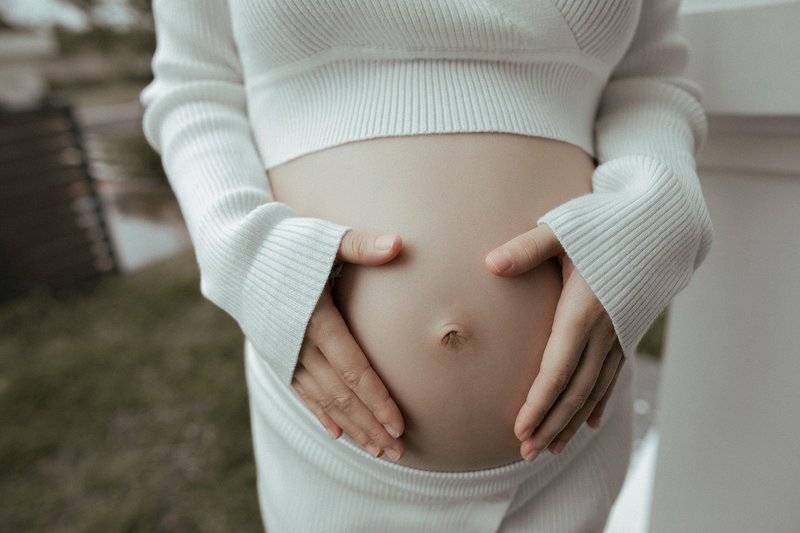
Representative image: Greyerbaby / Pixabay
An Ohio State study reported on 13 Oct 2026 found chronic stress changes placental signals tied to fetal brain development in mice, echoed in human tissue.
What Happened
Researchers at Ohio State University in the United States have reported that long-lasting stress during pregnancy changes the way the placenta communicates with a developing baby, in ways that may touch early brain development. The work, published in the journal Molecular Psychiatry and publicised on Tuesday, 13 October 2026, was led by senior author Tamar Gur. The team studied pregnant mice exposed to chronic stress, then checked whether the same biological signals appeared in human placental tissue, and found that key changes overlapped.
Key Facts
- The study appeared in Molecular Psychiatry and was reported on 13 October 2026.
- Scientists used single-cell RNA sequencing to see how individual cells in the placenta and the fetal brain of stressed pregnant mice responded.
- They then compared the mouse results with samples of human placenta to look for the same signals.
- Stress shifted several placental pathways, including antiviral immune signalling, how cells produce and use energy, and gene-control processes linked to chromatin, RNA handling and the tissue scaffolding around cells.
- According to Gur, stress-related signals in the human placentas overlapped with central findings from the mice.
- The researchers describe the placenta as an active messenger to the fetus, not just a passive filter.
- The evidence is mainly from animals; the study does not show that these changes alter brain outcomes in human children.
Why It Matters
Pregnant women are often told to "stay calm" as if stress were a choice. Research like this points the other way. It suggests that ongoing stress has a physical footprint in the body, reaching as far as the organ that feeds and protects the baby. That makes stress during pregnancy a health issue to be screened for and supported, in the same way as blood pressure or anaemia, rather than a personal weakness or something to hide.
The finding builds on earlier work by the same group. In 2020 the team reported in mice that prenatal stress led to lasting behaviour changes in offspring through the mother's gut microbes and an immune messenger called CCL2. The new study moves the focus to the placenta itself and adds a first comparison with human tissue.
Some caution is needed. Mice are not people, and a match between signals in tissue samples is not proof of harm to a child's brain. Most women feel stressed at some point in pregnancy, and a stressful week is not what this research examined. The study looked at chronic stress, the kind that goes on and on, such as from money worries, an unsafe home, heavy workloads with no relief, or isolation.
For working women and their families, the practical reading is about support, not guilt. Partners, employers and doctors can lower the load: shared housework, flexible hours, real breaks, and antenatal visits where someone actually asks how the mother is coping. For readers in India, the government's free Tele-MANAS mental health helpline, 14416, is one place to start a conversation about stress in pregnancy.
| What was studied | What was found |
|---|---|
| Pregnant mice under chronic stress | Placental changes in immune, energy and gene-control pathways |
| Human placental samples | Stress-related signals overlapping with the mouse findings |
| Child brain outcomes in humans | Not tested; link remains unproven |
Impact
Short-term: The study gives doctors, midwives and counsellors another reason to ask pregnant women about ongoing stress at routine check-ups and to offer help early rather than reassurance alone.
Long-term: If the placental signals are confirmed in larger human studies, they could become markers that help identify pregnancies needing extra support, and could inform research into how stress shapes children's development before birth.
Who is affected: Pregnant women, especially those under long-running pressure from work, money, relationships or caregiving; their partners and families; employers designing maternity support; and antenatal care providers.
Key Takeaway
Long-running stress in pregnancy appears to change the placenta's signals to the baby in mice, with echoes in human tissue, which makes support for stressed mothers a health priority rather than a matter of willpower.
Questions and Answers
Does stress during pregnancy harm the baby's brain?
It is not proven in humans. This Ohio State study, reported on 13 October 2026, found that chronic stress changed placental signals linked to fetal brain development in mice, and that similar signals appeared in human placental tissue. It did not test brain outcomes in children.
Should I worry if I have a stressful day while pregnant?
The research focused on chronic stress that lasts over time, not ordinary bad days. Short spells of stress are a normal part of life; what matters more is getting help if pressure is constant and not easing.
What can a pregnant woman do to reduce ongoing stress?
Tell your doctor or midwife how you are really feeling, share household and caregiving tasks, ask your employer about flexible hours or lighter duties, protect sleep and rest, and seek counselling if needed. In India, Tele-MANAS at 14416 offers free mental health support.
What does the placenta have to do with stress?
The placenta delivers oxygen and nutrients to the baby and sends chemical signals to it. This study suggests chronic stress changes some of those signals, including immune and energy-related ones, so the placenta may act as a link between a mother's stress and her baby's early development.
Disclaimer: Prepared by the Peepals newsroom from publicly available sources with AI assistance. Information is accurate to the best of our knowledge at the time of publication and may change. Images may be representative. Not professional advice. Report an error via our contact page.
Sourced and fact-checked by the Peepals Global Editorial Team
Assam IAS officer Varnali Deka named Joint Secretary at National Health Authority
Perimenopause hit work for 47% of UK women and mental health for 73%: Aviva
Reported, fact-checked and published by the Peepals Global Editorial Team.