
UK confirms tougher dismissal rules to protect pregnant workers, new parents
 By Vikram JoshiLife Balance Correspondent, Peepals Shakti
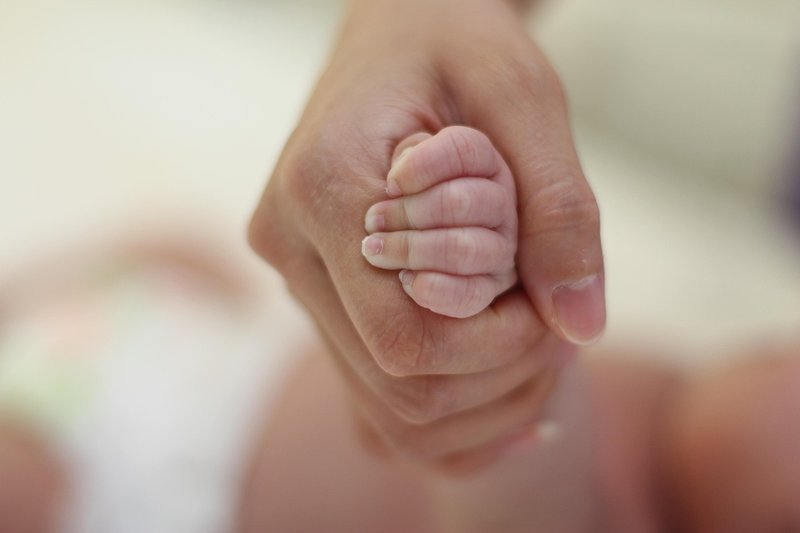
Representative image: elielphoto / Pixabay
The UK confirmed on October 22, 2026 that from 2027 dismissals of pregnant workers and new parents face a stricter test, with employers made to weigh alternatives.
What Happened
The UK government on October 22, 2026 confirmed stronger protection against unfair dismissal for pregnant women and new parents, publishing its response to a consultation that ran from October 2025 to January 2026. Employment tribunals will apply a new, stricter approach to dismissal cases involving these workers from 2027, and employers will be expected to weigh reasonable alternatives before letting such an employee go. The protection will also cover people on adoption leave, shared parental leave, neonatal care leave and bereaved partner's paternity leave.
Key Facts
- Announced: Thursday, October 22, 2026, as the UK government's response to its consultation on enhanced dismissal protections.
- Consultation period: October 2025 to January 2026.
- Start: the stricter approach in employment tribunals is due to apply from 2027.
- Who is covered: pregnant employees and new mothers, plus employees on adoption, shared parental, neonatal care and bereaved partner's paternity leave.
- What changes for employers: they will need to consider reasonable alternatives before dismissing a worker in these groups.
- Legal basis: powers in the Employment Rights Act 2025 to make rules on dismissals during and after pregnancy and family leave.
- Background figure: the trade union UNISON, in its consultation response, estimated that up to 74,000 women a year lose their jobs because they are pregnant, on maternity leave or have recently returned to work.
Why It Matters
For many women, the hardest part of balancing work and family is not the leave itself but what happens around it: telling an employer about a pregnancy, being away for months, and coming back to a job that may have changed. The fear of losing that job shapes decisions about when to have children, whether to take the full leave, and whether to return at all. The UK change is aimed squarely at that fear.
Today, a UK employer facing an unfair dismissal claim is judged on whether its decision fell within the range of responses a reasonable employer might make. Under the new approach, tribunals will look more strictly at dismissals of pregnant workers and new parents, and employers will be expected to show they considered other options, such as a different role, before ending employment. The government's stated aim is to give workers more confidence that their jobs will still be there after family-related leave.
The earlier proposal behind the change described a "protected period" covering pregnancy, maternity leave and at least six months after a return to work, with dismissal allowed only in defined exceptions. Several details, including exactly how long the protection lasts and which exceptions apply, will be set out in regulations still to be made, so employers and workers will need to watch for the final rules before 2027.
The extension to fathers and partners is also significant. By covering shared parental leave and bereaved partner's paternity leave, the rules treat caring for a new child as something both parents may do, not only mothers. The UK separately removed the length-of-service requirement for paternity leave from April 6, 2026, under the same Act.
For Indian readers, the comparison is useful. Under India's Code on Social Security, 2020, an employer cannot dismiss or discharge a woman during her maternity absence, and the Code provides up to 26 weeks of paid maternity leave. The UK debate is about how far that kind of protection should reach beyond the leave itself, into the months after a woman returns.
UK changes at a glance:
| Item | Detail |
|---|---|
| Announcement | October 22, 2026 |
| Consultation | October 2025 to January 2026 |
| Stricter tribunal approach | From 2027 |
| Groups covered | Pregnant workers, new mothers, adoptive, shared parental, neonatal and bereaved partner's leave |
| Employer duty | Consider reasonable alternatives before dismissal |
Impact
Short-term: Nothing changes for workers today; employers in the UK have until 2027 to prepare. HR teams will need to review how they handle restructuring, performance cases and redundancies that involve staff who are pregnant or on family leave.
Long-term: If the rules work as intended, fewer women should be pushed out of work around childbirth, which could help more mothers stay in their careers.
Who is affected: Pregnant employees and new parents in the UK, including Indian-origin and Indian workers employed there; UK employers, including Indian companies with UK operations; and policymakers elsewhere watching how to protect parents' jobs.
Key Takeaway
The UK confirmed on October 22, 2026 that, from 2027, dismissals of pregnant workers and new parents will face a stricter test, with employers expected to consider alternatives first.
Questions and Answers
What did the UK announce on October 22, 2026 about pregnant workers?
The government confirmed stronger protection against unfair dismissal for pregnant women and new parents. From 2027, employment tribunals will judge such dismissals more strictly, and employers will need to consider reasonable alternatives before dismissing.
Does the new UK protection cover fathers?
Yes. It extends to employees on shared parental leave and bereaved partner's paternity leave, as well as adoption and neonatal care leave.
When do the new UK dismissal protections start?
The stricter tribunal approach is due from 2027. The detailed rules will be set out in regulations made under the Employment Rights Act 2025.
How does this compare with protection for working mothers in India?
In India, the Code on Social Security, 2020 bars employers from dismissing a woman during her maternity absence and provides up to 26 weeks of paid maternity leave. The UK change goes further by covering the period after a return to work and other types of family leave.
Disclaimer: Prepared by the Peepals newsroom from publicly available sources with AI assistance. Information is accurate to the best of our knowledge at the time of publication and may change. Images may be representative. Not professional advice. Report an error via our contact page.
By Vikram Joshi, Life Balance CorrespondentCovers Life Balance and more for Peepals Shakti. All stories by Vikram Joshi
Vikram Joshi is a pen name of the Peepals Global Editorial Team, which researches, fact-checks and publishes every story. The portrait is an illustration.