
Half of parents turn to their own mothers for advice, US survey finds
 By Priya NairLeadership & Growth Editor, Peepals Shakti
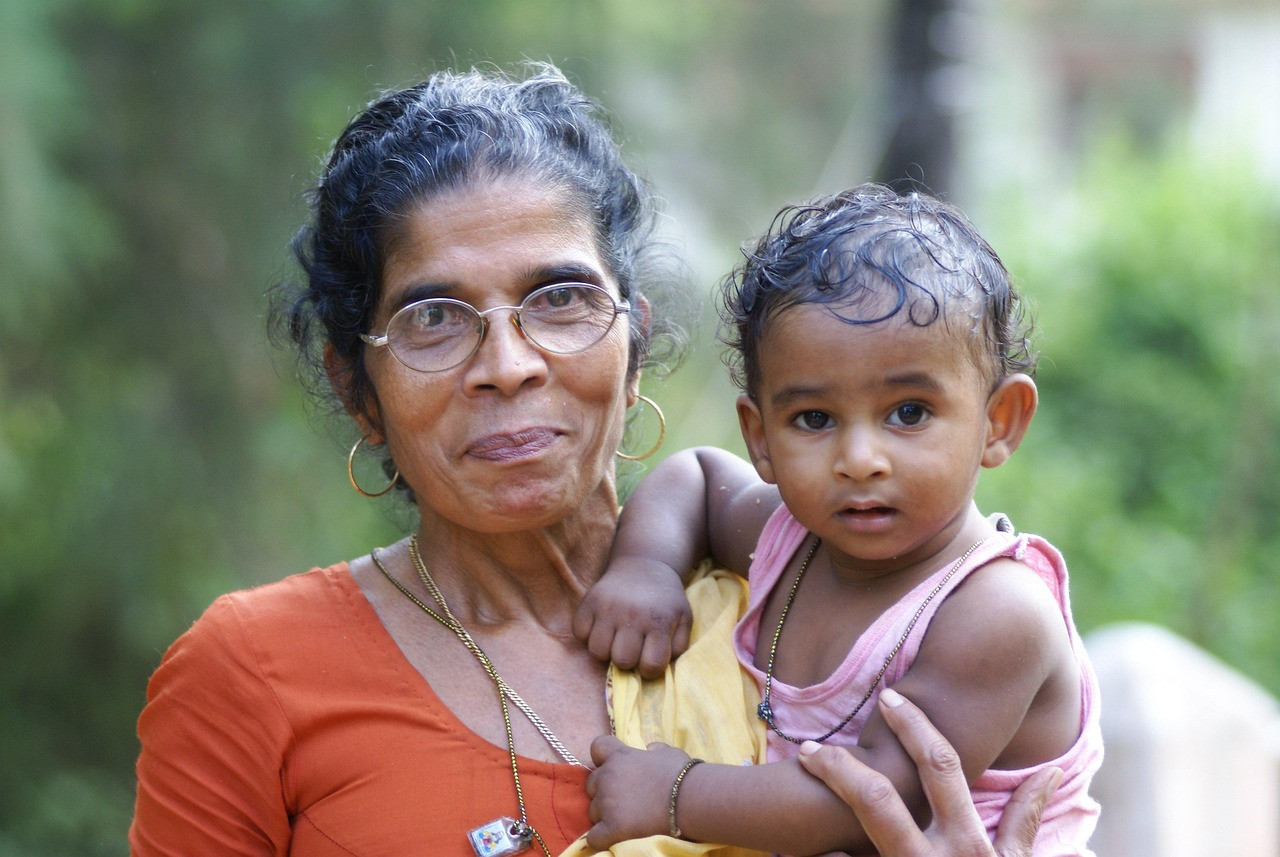
Representative image: soulintact / Pixabay
ZERO TO THREE's 2026 survey of about 2,200 parents, reported on 29 October 2026, found 49% turn to their own mothers for advice and 18% use AI.
What Happened
Half of American parents of young children say their own mother is the person they turn to for parenting advice, according to ZERO TO THREE's 2026 national parenting survey, whose findings were reported on 29 October 2026. The survey, called First Voice and carried out for the early-childhood non-profit by the Loran Group, asked about 2,200 parents of children aged five and under where they look for guidance, whom they trust and what support they want. It found that 55% of parents feel there is so much parenting information that it is hard to know whom to trust, and that close to one in five now uses artificial intelligence (AI) tools for parenting advice.
Key Facts
- 49% of parents said they turn to their own mother for parenting advice, the most common source in the survey.
- 37% named their partner as a trusted source, and 35% named health care professionals.
- 55% said the amount of parenting information makes it hard to know whom to trust.
- On average, parents draw on five different sources, from family and friends to internet searches, parenting websites and child care providers.
- 18% said they typically use AI for parenting advice or information, and 76% of those parents said they found it helpful.
- Only one in three parents in 2026 said they look to "the way my parents raised me" for guidance, compared with seven in ten in ZERO TO THREE's 2015 survey.
- 88% said being a parent is their greatest joy, and 63% said they want more safety rules and regulation for social media and AI.
Why It Matters
The survey describes a generation of parents who still lean on family, especially their own mothers, but who no longer treat family tradition as the main rulebook. The share of parents who said they model their parenting on the way they were raised has fallen from about seven in ten in 2015 to about one in three in 2026, according to ZERO TO THREE's comparison of its own surveys. At the same time, the grandmother remains the single most trusted adviser. In other words, parents appear to keep the relationship while changing the method: they ask their mothers, then check that advice against doctors, partners, child care staff and the internet.
That mix is what the survey calls an information problem. More than half of parents said there is so much advice available that it is hard to know whom to trust. Parents use an average of five sources, so conflicting tips on sleep, feeding, screen time or discipline can reach the same family in the same week. ZERO TO THREE is a United States non-profit focused on the first years of a child's life.
Close to one in five parents said they typically use AI chat tools for parenting questions, and three in four of those users found the answers helpful. The same survey shows that parents want limits around the technology: 63% said they want more safety measures and regulation for social media and AI. Parents in the survey also said they would like public support such as paid parental leave and universal pre-kindergarten, according to coverage of the findings.
The survey is a data point from the United States rather than India, and its numbers should not be read as Indian figures. What it does show is the role of mothers across two generations: the parent asking for help is often a mother, and the person answering is often her own mother.
| Survey finding | Share of parents |
|---|---|
| Turn to their own mother for advice | 49% |
| Turn to their partner | 37% |
| Turn to health care professionals | 35% |
| Use AI for parenting advice | 18% |
| Say information overload makes trust hard | 55% |
Impact
Short-term: Parenting organisations, paediatric clinics and child care providers are likely to look at how they can become a clearer, more trusted voice among the many sources parents use. The AI figures give health bodies a reason to think about what accurate guidance parents may be getting, or missing, from chat tools.
Long-term: If fewer parents model their parenting on how they were raised, grandparents' role may shift from setting the rules to offering support and experience. Policy debates in the United States on paid leave, early education and the regulation of social media and AI now have a fresh measure of what parents of young children say they want.
Who is affected: Parents of children aged five and under, grandparents who help raise them, paediatricians and child care workers, and technology companies whose AI tools parents now consult.
Key Takeaway
ZERO TO THREE's 2026 survey of about 2,200 parents found that 49% turn to their own mothers for advice, even as only one in three still models parenting on how they were raised and 18% now use AI.
Questions and Answers
Who do parents of young children trust most for parenting advice, according to the ZERO TO THREE survey?
Their own mothers. In ZERO TO THREE's 2026 First Voice survey, 49% of parents of children aged five and under said they turn to their mother for advice, ahead of partners (37%) and health care professionals (35%).
How many parents use AI for parenting advice?
The survey found that 18% of parents typically use AI tools for parenting advice or information, and 76% of those parents said the advice was helpful. At the same time, 63% of all parents said they want more safety and regulation for social media and AI.
Are parents still raising children the way they were raised?
Fewer are. Only about one in three parents in the 2026 survey said they look to the way their own parents raised them for guidance, compared with about seven in ten in ZERO TO THREE's 2015 survey.
Does this survey cover Indian families?
No. ZERO TO THREE is a United States organisation and its 2026 survey asked parents in the United States. Its findings describe American families and should not be read as Indian data.
Disclaimer: Prepared by the Peepals newsroom from publicly available sources with AI assistance. Information is accurate to the best of our knowledge at the time of publication and may change. Images may be representative. Not professional advice. Report an error via our contact page.
By Priya Nair, Leadership & Growth EditorCovers Leadership & Growth and more for Peepals Shakti. All stories by Priya Nair
Rhode pledges $5 million to women's health research over three years
Kerala child rights panel probes alleged newborn sale racket in Alappuzha
Get the day's stories in your inbox
Peepals Weekly: the week decoded, free. One email a week, unsubscribe in one click.
Priya Nair is a pen name of the Peepals Global Editorial Team, which researches, fact-checks and publishes every story. The portrait is an illustration.