
Testosterone not shown to ease menopause brain fog, UCL review finds
 By Vikram JoshiLife Balance Correspondent, Peepals Shakti

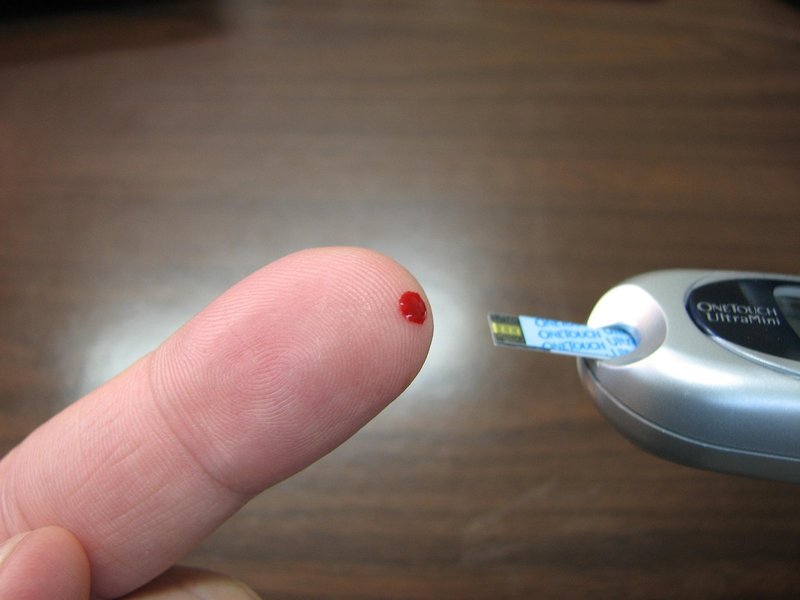
Representative image: HeungSoon / Pixabay
A UCL-led review of five studies, reported on 30 October 2026, found no significant evidence that testosterone improves memory or focus during menopause.
What Happened
There is not enough evidence to say that testosterone therapy helps the memory and concentration problems many women describe as menopausal "brain fog", a review led by researchers at University College London (UCL) has concluded, in findings reported on 30 October 2026. The systematic review, published in the journal Reproduction and Fertility, examined five existing studies of women aged 41 to 65 and found that testosterone did not produce a statistically significant improvement in thinking and memory. The authors stress that this shows a lack of good evidence, not proof that the hormone has no effect.
Key Facts
- The review was led by UCL researchers and published in Reproduction and Fertility; the findings were reported on 30 October 2026.
- It brought together five existing studies of women aged 41 to 65 that tested testosterone and measured thinking and memory.
- The trials lasted between four and 26 weeks.
- A pooled analysis (meta-analysis) of three of the trials found no statistically significant benefit for cognition.
- The corresponding author, Dr Alexandra Faulkner, said the available evidence is too limited to determine the effect of testosterone on cognition, and that the result reflects insufficient evidence rather than evidence of no effect.
- The senior author, Professor Aimee Spector, said testosterone cannot be claimed to improve cognition during menopause without further evidence.
- The reviewers noted that testosterone prescribing has, by anecdotal accounts, increased in both NHS and private clinics in the United Kingdom.
Why It Matters
Menopause is the point at which a woman's periods stop for good, usually in her late 40s or early 50s. In the years around it, many women report trouble with memory, focus and finding words. This is often called brain fog. It can affect work, confidence and family life, and it is one of the reasons some women cut their hours or leave jobs during midlife.
Testosterone is a hormone that women produce in smaller amounts than men, and levels fall with age. In recent years, testosterone has been promoted on social media and in some clinics as a fix for low energy, mood and brain fog. The UCL team's review set out to test that idea against the published trials. A systematic review collects every relevant study that meets set rules, and a meta-analysis combines their numbers to see if a clear effect appears. In this case, it did not.
The authors were careful about what that means. Five studies, some lasting only a few weeks, are a thin base. The review cannot rule out a benefit for some women; it can only say that the trials done so far do not show one. Professional bodies have taken a cautious line. According to coverage of the review, the British Menopause Society and the International Menopause Society support testosterone therapy only for low sexual desire, not for memory or concentration. A separate 2026 review in The Lancet Healthy Longevity on menopause hormone therapy and the risk of mild cognitive impairment or dementia also found no current evidence on testosterone's effect on those outcomes.
| Question | What the evidence shows |
|---|---|
| Does testosterone improve memory and focus in menopause? | Not shown: no significant benefit in available trials |
| How strong is the evidence? | Limited: five studies, four to 26 weeks long |
| Is testosterone recommended for brain fog? | Professional menopause societies support it only for low sexual desire |
Impact
Short-term: Women who are considering testosterone mainly for brain fog have a clearer picture of what the research does and does not show. Doctors and menopause clinics may face more questions about why the hormone is offered and for which symptom.
Long-term: The authors' point that the gap is one of evidence, not of proven failure, is a call for larger and longer trials, including trials that measure thinking and memory as their main goal. Such studies would help women and doctors make choices based on data rather than on online claims.
Who is affected: Women in perimenopause and after menopause, especially those balancing demanding work and family roles; doctors, gynaecologists and menopause clinics; and companies and influencers who market hormone treatments.
Key Takeaway
A UCL-led review of five studies, reported on 30 October 2026, found no significant evidence that testosterone improves menopausal brain fog, and its authors say better trials are needed before any such claim can be made.
Questions and Answers
Does testosterone help menopause brain fog?
There is no good evidence that it does. A UCL-led systematic review published in Reproduction and Fertility, reported on 30 October 2026, looked at five studies of women aged 41 to 65 and found no statistically significant improvement in thinking or memory with testosterone.
Does the review prove that testosterone does not work for memory?
No. The authors said the result reflects a lack of sufficient evidence rather than evidence of no effect. The studies were few and short, lasting between four and 26 weeks, so larger and longer trials are needed.
What is testosterone therapy recommended for in women after menopause?
According to coverage of the review, the British Menopause Society and the International Menopause Society support testosterone therapy for women only for low sexual desire, not for brain fog or memory problems.
What should a woman with menopausal brain fog do after this review?
The review does not give personal medical advice. A woman troubled by memory or concentration problems in midlife can discuss her symptoms and the evidence for each treatment option with a qualified doctor.
Disclaimer: Prepared by the Peepals newsroom from publicly available sources with AI assistance. Information is accurate to the best of our knowledge at the time of publication and may change. Images may be representative. Not professional advice. Report an error via our contact page.
By Vikram Joshi, Life Balance CorrespondentCovers Life Balance and more for Peepals Shakti. All stories by Vikram Joshi
Get the day's stories in your inbox
Peepals Weekly: the week decoded, free. One email a week, unsubscribe in one click.
Vikram Joshi is a pen name of the Peepals Global Editorial Team, which researches, fact-checks and publishes every story. The portrait is an illustration.