
Anita Advani loses Supreme Court bid over Rajesh Khanna relationship
 By Vikram JoshiLife Balance Correspondent, Peepals Shakti
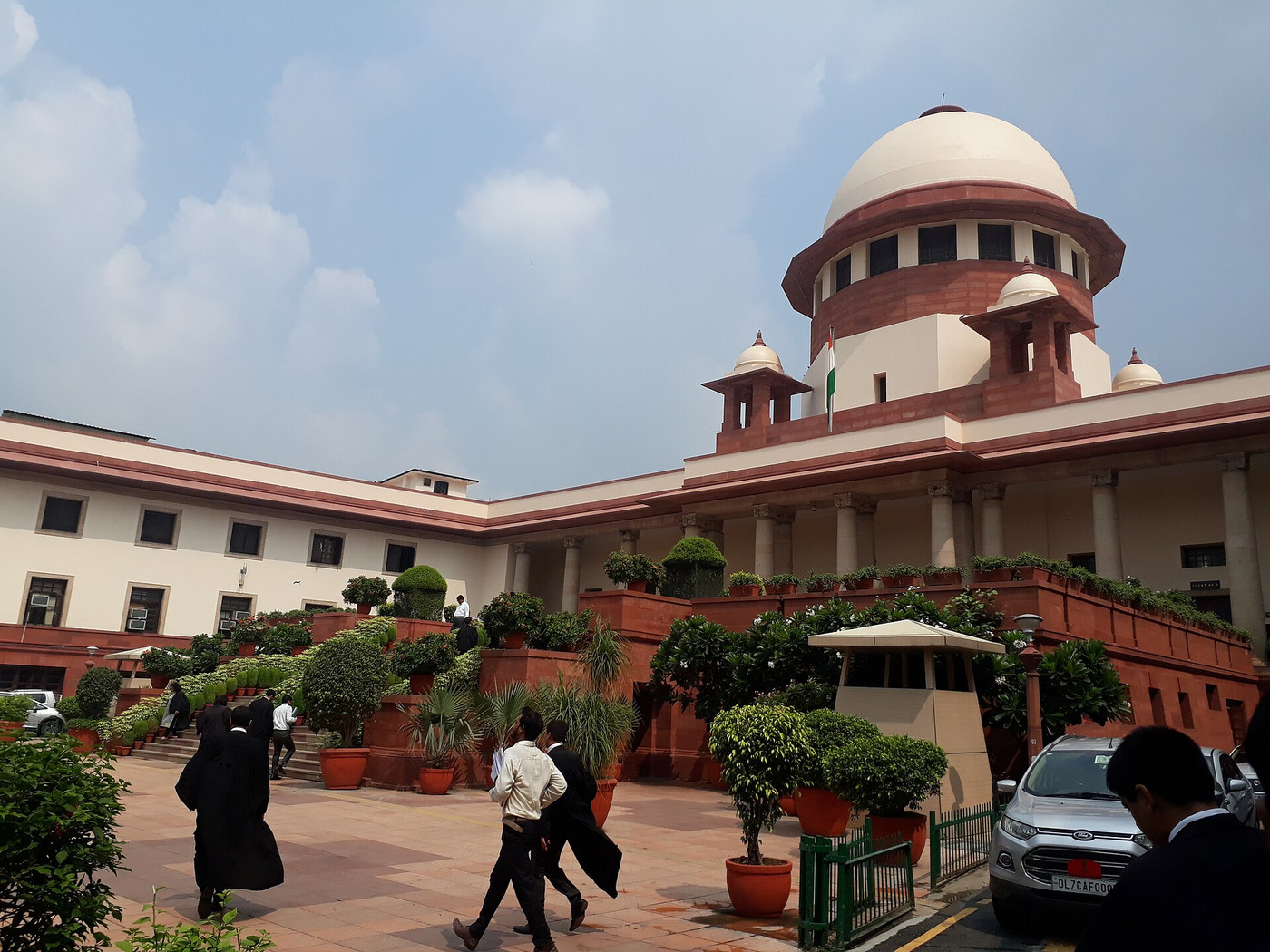
File photo: Pinakpani (CC BY-SA 4.0), via Wikimedia Commons
The Supreme Court on October 29, 2026 refused to hear Anita Advani's plea to have her relationship with the late Rajesh Khanna treated as a marriage.
What Happened
The Supreme Court on Thursday, October 29, 2026 refused to hear actor Anita Advani's appeal seeking to have her relationship with the late film star Rajesh Khanna recognised as a marriage. A bench of Justices M.M. Sundresh and Prasanna B. Varale declined to interfere with the Bombay High Court's April 1, 2026 decision against her and described the case as "luxury litigation". Her lawyer had argued that the declaration she sought was a matter of dignity for her.
Key Facts
- Advani says she lived with Rajesh Khanna for several years and was made to leave his Mumbai home in 2012.
- In 2013 she filed a domestic violence complaint seeking monthly maintenance and a flat in Bandra; the Bombay High Court quashed it in 2015.
- She then filed a civil suit asking for a declaration that the relationship was a marriage; a civil court at Dindoshi rejected it.
- On April 1, 2026, Justice Sharmila Deshmukh of the Bombay High Court dismissed her appeal against that rejection.
- The High Court held that a relationship begun while one partner's valid marriage was still in force cannot be treated as "in the nature of marriage"; Khanna's marriage to Dimple Kapadia was still subsisting.
- The High Court also said not every live-in relationship qualifies as one akin to marriage under the domestic violence law.
Why It Matters
India has no separate law for live-in relationships. Couples who live together without marrying are protected mainly through the Protection of Women from Domestic Violence Act, 2005, which covers women in a "domestic relationship", including a relationship "in the nature of marriage". This wording matters because it decides whether a woman can claim maintenance, a right to residence or protection orders against a partner.
Courts have set limits on what that phrase covers. As the Bombay High Court explained in this case, a relationship that begins while one partner is still legally married to someone else does not meet the test, however long the couple stay together. In Advani's case, Khanna had never divorced Dimple Kapadia, so the court found the relationship could not count as marriage-like in law. The High Court also noted that Advani had not shared a household with Kapadia and her family, which was another reason the domestic violence law did not apply.
For families, the ruling shows the legal gap between living together and being married. A wife has clear rights in law to maintenance, inheritance and the marital home. A partner in a long relationship with a married person may have very few, even if the relationship was widely known. In such disputes it is usually the woman who seeks protection, as Advani did, after losing a home or support when the relationship ends or the partner dies.
The Supreme Court's refusal to hear the appeal does not create a new rule. It leaves the High Court's reasoning in place, so the existing law stays as it was. The bench's "luxury litigation" remark indicated that it did not see the appeal as raising a question it needed to decide.
| Stage of the case | Year | Outcome |
|---|---|---|
| Domestic violence complaint | 2013, quashed 2015 | Relationship not "in the nature of marriage" |
| Civil suit for declaration | Rejected at Dindoshi court | Appeal dismissed by Bombay High Court, April 1, 2026 |
| Appeal to Supreme Court | October 29, 2026 | Bench declined to interfere |
Impact
Short-term: The case ends Advani's attempt to be legally recognised as Rajesh Khanna's partner in the nature of marriage, since the Supreme Court has refused to take it up.
Long-term: The outcome adds weight to the courts' view that a relationship with a person who is still married does not carry the protection that marriage-like live-in relationships get under the domestic violence law.
Who is affected: Women in long-term relationships with married men, couples in live-in relationships who rely on the domestic violence law for protection, and families dealing with claims over a partner's home or estate.
Key Takeaway
By refusing Anita Advani's appeal on October 29, 2026, the Supreme Court left in place the Bombay High Court's view that a relationship with a still-married man is not one "in the nature of marriage".
Questions and Answers
What did the Supreme Court decide on Anita Advani's plea?
On October 29, 2026, a bench of Justices M.M. Sundresh and Prasanna B. Varale refused to interfere with the Bombay High Court's April 1, 2026 ruling, so her bid to have her relationship with Rajesh Khanna recognised as a marriage failed.
Why did the courts reject Anita Advani's claim?
The Bombay High Court held that because Rajesh Khanna's marriage to Dimple Kapadia was still in force, a relationship with him could not be "in the nature of marriage" under the law.
Are live-in relationships legal in India?
Living together is not illegal, and women in a relationship "in the nature of marriage" can seek protection, maintenance and residence under the Protection of Women from Domestic Violence Act, 2005. Courts decide case by case whether a relationship meets that test.
Does the Supreme Court's order change the law?
No. The court only declined to hear the appeal, so the High Court's reasoning stands and no new rule was laid down.
Disclaimer: Prepared by the Peepals newsroom from publicly available sources with AI assistance. Information is accurate to the best of our knowledge at the time of publication and may change. Images may be representative. Not professional advice. Report an error via our contact page.
By Vikram Joshi, Life Balance CorrespondentCovers Life Balance and more for Peepals Shakti. All stories by Vikram Joshi
Naomi Osaka's crane kimono-style outfit honours her mother's Hokkaido
Christine Lagarde to leave ECB on February 7, nine months early
Get the day's stories in your inbox
Peepals Weekly: the week decoded, free. One email a week, unsubscribe in one click.
Vikram Joshi is a pen name of the Peepals Global Editorial Team, which researches, fact-checks and publishes every story. The portrait is an illustration.