Catherine, Princess of Wales, orders study on how nature shapes young children's emotions

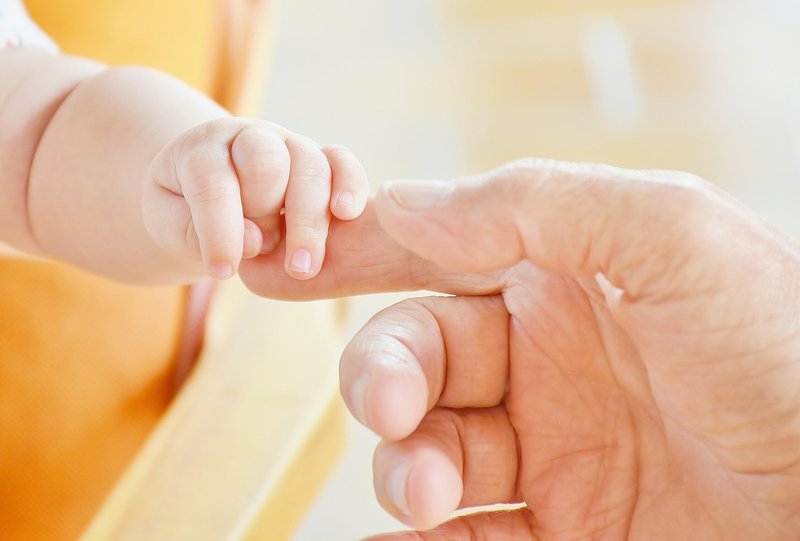
Representative image: ljcor / Pixabay
Catherine, Princess of Wales, commissioned work on nature and early emotional growth on October 16, 2026; a poll found only 33% of UK children get outdoors daily.
What Happened
Catherine, Princess of Wales, on Friday, October 16, 2026, commissioned new work through the Royal Foundation Centre for Early Childhood to find out how time in nature helps babies and young children build social and emotional skills. The announcement followed her visit to Cornwall on October 15 to learn about nature-based learning in the earliest years of life. The Centre published new polling alongside it: 84% of parents in the United Kingdom agree that time in nature supports their child's wellbeing and development, but only 33% say their child spends time in nature every day.
Key Facts
- The work was announced on October 16, 2026 by the Royal Foundation Centre for Early Childhood.
- It will gather evidence from the UK and other countries on how nature-rich settings and caring relationships help young children develop core social and emotional skills.
- The Duchy of Cornwall is a founding partner of the project.
- Polling commissioned by the Centre found 84% of parents believe nature supports their child's wellbeing and development.
- Only 33% of parents, about one in three, said their child spends time in nature every day.
- Most parents surveyed said they would like their children to spend more time in nature, including through childcare and education.
- The work builds on the Centre's earlier "Shaping Us" framework, which sets out the social and emotional capabilities that underpin children's growth.
Why It Matters
Most parents sense that a walk in the park, a garden or a muddy field is good for a small child, and the poll shows that belief is almost universal. Yet the same poll shows a large gap between belief and daily life: two in three children do not get outdoors into nature on a typical day. Work schedules, access to green space and time on screens can all compete with outdoor play. The Princess has framed the project around that tension, arguing on social media that outdoor time matters more than ever in a digital age.
The project focuses on emotional growth rather than physical fitness alone. Skills such as managing feelings, paying attention, getting along with others and coping with frustration are built in the earliest years. The Centre's earlier framework set out these capabilities; the new work asks whether nature-rich environments, together with warm relationships with parents and carers, help children build them. Collecting evidence from several countries is meant to show what works in practice, from forest-school style nurseries to simple changes in how families spend weekends.
For Indian families, the question is a familiar one. The study is British, but its finding that parents value nature yet struggle to provide it daily will ring true for many households here.
| | Poll finding | Share of parents | |
|---|---|
| | Agree time in nature supports their child's wellbeing and development | 84% | |
| | Say their child spends time in nature every day | 33% | |
Impact
Short-term: The announcement puts outdoor time back in the conversation for parents, nurseries and schools in the UK, and the polling gives early-years groups a clear figure to work from.
Long-term: Once the evidence is gathered, it could shape how nurseries, childcare providers and councils plan outdoor time and green spaces for under-fives, and give parents practical guidance rooted in research rather than instinct.
Who is affected: Parents and carers of babies and young children; nursery and pre-school staff; planners responsible for parks and play spaces; and researchers in early childhood development.
Key Takeaway
Nearly every parent believes nature is good for young children, but only one in three children gets it every day, and the Princess of Wales's new project aims to find out how that gap affects children's emotional growth.
Questions and Answers
What did Catherine, Princess of Wales, announce on October 16, 2026?
She commissioned new work through the Royal Foundation Centre for Early Childhood to study how time in nature and caring relationships help babies and young children build social and emotional skills, with the Duchy of Cornwall as a founding partner.
How many children spend time in nature every day, according to the poll?
Only 33% of UK parents surveyed said their child spends time in nature every day, even though 84% agreed that nature supports their child's wellbeing and development.
Why focus on nature and emotions in the early years?
Social and emotional skills such as handling feelings and getting along with others are built in the first years of life, and the project will look at whether nature-rich settings help children develop them.
What can parents do while the research is under way?
The poll shows most parents already want more outdoor time for their children; regular time in parks, gardens or green spaces, shared with a parent or carer, fits the approach the project is examining.
Disclaimer: Prepared by the Peepals newsroom from publicly available sources with AI assistance. Information is accurate to the best of our knowledge at the time of publication and may change. Images may be representative. Not professional advice. Report an error via our contact page.
Sourced and fact-checked by the Peepals Global Editorial Team
Reported, fact-checked and published by the Peepals Global Editorial Team.