
ACLU report: US police use AI-flagged travel patterns to stop drivers
 By Karan BansalTech Startups Correspondent, Peepals Tech
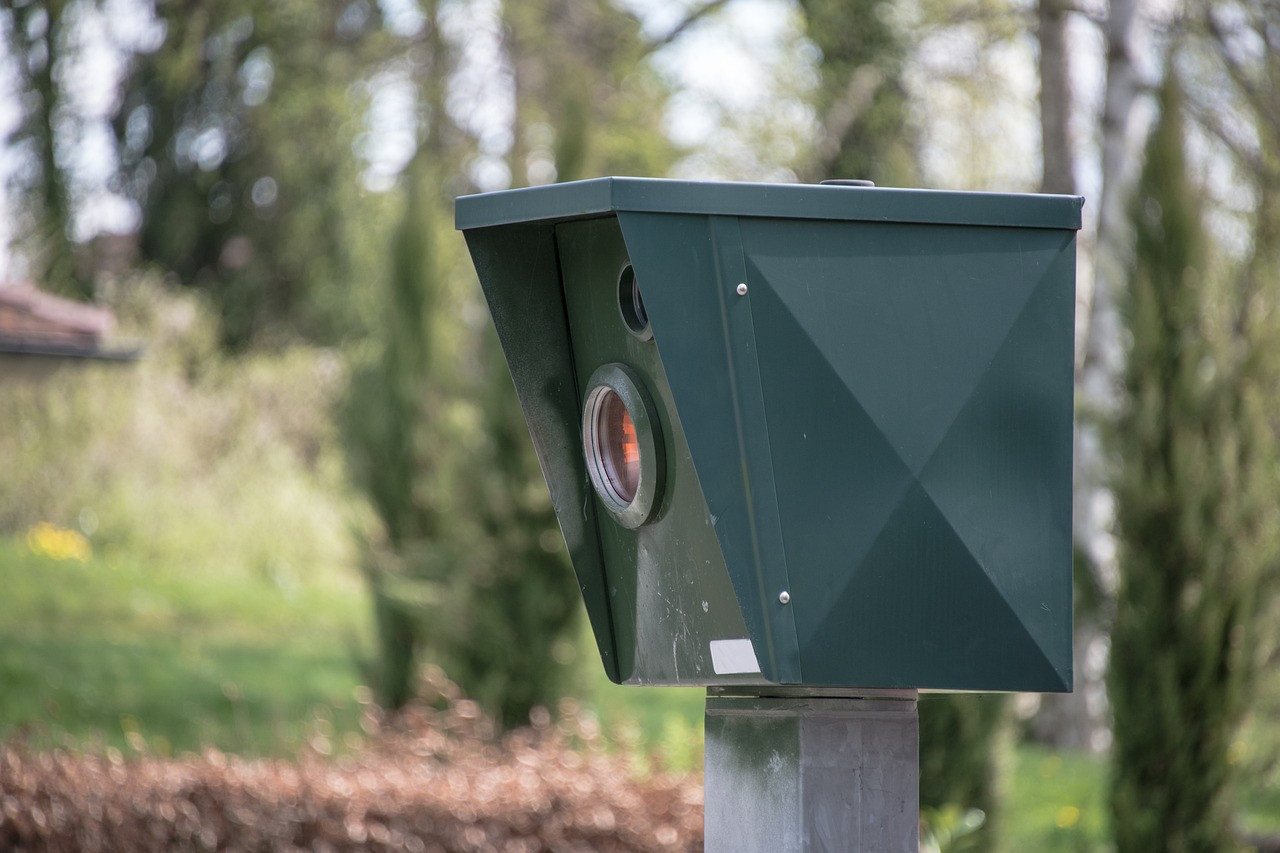
Representative image: blickpixel / Pixabay
An ACLU report on October 26, 2026 warns US police are stopping drivers whose plate-scan travel patterns software flags as 'suspicious', without evidence of crime.
What Happened
The American Civil Liberties Union (ACLU), a US civil rights group, published a report on Monday, October 26, 2026, warning that American police are increasingly using artificial intelligence and data from automatic licence plate readers to flag drivers whose travel histories look "suspicious", even when there is no evidence that they have committed a crime. The report was written by Jay Stanley, a senior policy analyst in the ACLU's Speech, Privacy, and Technology Project. It argues the practice could lead to more "pretextual" stops, in which an officer cites a minor traffic offence while the real reason for the stop is what the surveillance data suggested.
Key Facts
- Published: October 26, 2026, by the ACLU; author Jay Stanley.
- The concern: software that analyses where and when a car's number plate is scanned, and marks some travel patterns as suspicious.
- The risk the ACLU describes: drivers who have broken no law being pulled over, with a small traffic violation given as the official reason.
- Central example: Grace Knowles, who says she was stopped in September 2025 over an alleged lane violation, and that the officer later told her plate scans had shown suspicious travel patterns.
- The ACLU account does not name the officer or the software, and does not show that AI flagged her car.
- Flock Safety, a major maker of plate-reading cameras, says it has nearly 100,000 cameras in more than 6,000 communities across 49 US states.
- Police and camera makers say the tools help solve crimes; no direct response from Flock to the report was found.
Why It Matters
Automatic licence plate readers are cameras, fixed on poles or mounted on police cars, that photograph every passing number plate and store the time and place. On their own they are used to find stolen cars or vehicles linked to a known crime. What has changed, the ACLU says, is the addition of analysis software that looks across millions of these scans and picks out patterns: a car that makes repeated long trips along a known trafficking route, for example, or that visits certain places at unusual hours.
The civil liberties concern is that this turns ordinary travel into grounds for suspicion. A pattern that looks odd to an algorithm may simply be a nurse working night shifts, a family visiting a relative in another state or a delivery driver. The ACLU argues that such systems will sweep in far more innocent people than wrongdoers, and that the person stopped usually has no way of knowing that software, not a human observation, prompted the stop. Because the officer can cite a lane change or a broken tail light, the role of the data may never appear in any record.
Supporters see it differently. Police departments and camera companies say the systems help solve crimes, and that patterns across state lines are exactly what investigators need. Flock says its tools supported more than one million criminal investigations and incidents in 2025, a figure that is the company's own. The debate in the US is about where to draw the line: whether "suspicious pattern" alerts should be allowed at all, and if so with what warrants, audits and limits on keeping data.
The question is not only an American one. Camera-based traffic enforcement and number-plate recognition are spreading in many countries, and how long such data is kept and who may analyse it are questions data protection laws, including India's Digital Personal Data Protection Act, will increasingly have to answer.
| Viewpoint | Position |
|---|---|
| ACLU | AI pattern alerts invite stops of innocent drivers and hide the real reason |
| Police and camera makers | The tools help investigators solve crimes |
| Flock (company figures) | Nearly 100,000 cameras in 6,000-plus communities, 49 states |
Impact
Short-term: The report adds pressure on US cities and states that are deciding whether to sign or renew contracts for plate-reading cameras. Local councils and courts may be asked to examine how alerts are used before stops.
Long-term: The outcome could shape rules on AI in policing across the US, such as requirements to disclose when software prompted a stop, limits on how long plate data can be stored, and audits of how accurate pattern alerts are.
Who is affected: Drivers in US communities that use plate readers, police departments, surveillance technology companies, civil liberties groups, and lawmakers writing rules for AI in public safety.
Key Takeaway
The ACLU says AI tools that score drivers' travel patterns are leading US police to stop people who have broken no law, while police and camera makers defend the tools as crime-solving aids.
Questions and Answers
What does the ACLU police AI traffic stops report say?
Published on October 26, 2026, it warns that US police use AI and licence plate reader data to flag drivers whose travel patterns look suspicious, which can lead to stops justified by minor traffic offences even when there is no evidence of crime.
What is a licence plate reader?
It is a camera that automatically photographs and reads number plates of passing vehicles, recording the time and location. The data can be stored and searched later.
What is a pretextual stop?
It is a traffic stop in which police cite a small violation, such as a lane change, while their real interest lies elsewhere, in this case what surveillance data suggested about the driver.
Did the ACLU prove that AI flagged Grace Knowles?
No. The ACLU published her account, but it does not name the officer or the software, and it does not show that an AI system flagged her car.
Disclaimer: Prepared by the Peepals newsroom from publicly available sources with AI assistance. Information is accurate to the best of our knowledge at the time of publication and may change. Images may be representative. Not professional advice. Report an error via our contact page.
By Karan Bansal, Tech Startups CorrespondentCovers Tech Start-ups & Stories and more for Peepals Tech. All stories by Karan Bansal
TRAI September data: India adds 6.57 million mobile users, Jio edges Airtel
Genie 4: Google DeepMind's world model adds sound and live scene steering
Get the day's stories in your inbox
Peepals Weekly: the week decoded, free. One email a week, unsubscribe in one click.
Karan Bansal is a pen name of the Peepals Global Editorial Team, which researches, fact-checks and publishes every story. The portrait is an illustration.