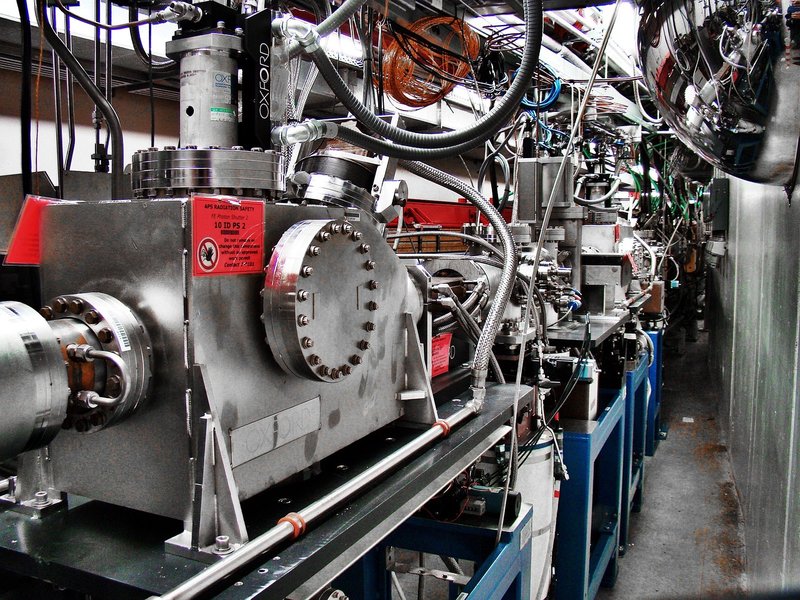

RBI opens Rs 169 crore data centre, cyber institute near Bhubaneswar
 By Karan BansalTech Startups Correspondent, Peepals Tech
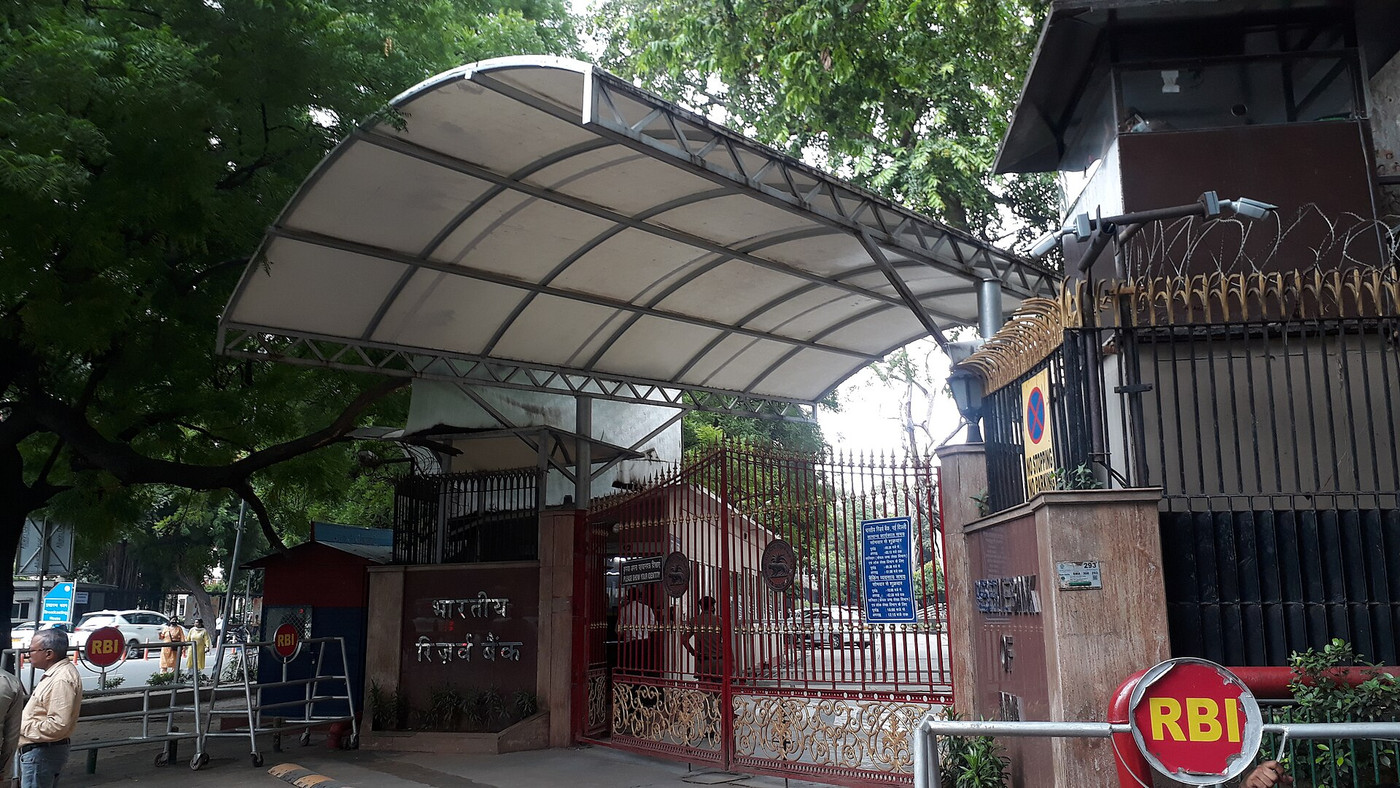
File photo: Pinakpani (CC BY-SA 4.0), via Wikimedia Commons
PM Narendra Modi on 25 October 2026 inaugurated the RBI's Rs 169-170 crore data centre and cybersecurity training institute at Jatni near Bhubaneswar.
What Happened
Prime Minister Narendra Modi on Sunday, 25 October 2026, inaugurated a new data centre and a cybersecurity training institute built by the Reserve Bank of India (RBI) at Info Valley-II in Jatni, near Bhubaneswar in Odisha. The facility was built at a cost of about Rs 169 crore to Rs 170 crore, according to reports of the event, and stands on 18.55 acres. Officials said it will carry core RBI workloads, including payment and settlement operations, and make India's digital financial infrastructure more resilient.
Key Facts
- Inaugurated: 25 October 2026 by Prime Minister Narendra Modi, who was received at the Jatni helipad by Odisha Governor Braj Mohan Ram and Chief Minister Mohan Charan Majhi.
- Location: Info Valley-II, Jatni, on the outskirts of Bhubaneswar, Odisha.
- Cost: reported as Rs 169 crore in one account and about Rs 170 crore in others.
- Area: 18.55 acres, chosen, officials said, for its geological stability, away from seismically active zones and high-risk international border areas.
- Purpose: to host critical RBI systems, including payment and settlement operations, and to strengthen the security of sensitive financial data.
- Training: a Cybersecurity Training Institute on the same campus will offer specialised training and research in cybersecurity, enterprise computing and emerging fields such as artificial intelligence and quantum computing.
Why It Matters
India's money now moves mostly through digital rails that the RBI either runs or oversees. Large-value transfers between banks settle through real-time gross settlement (RTGS), retail transfers through NEFT, and everyday phone payments through the Unified Payments Interface (UPI). A data centre is the building that houses the computers, storage and network equipment on which such systems run. If the hardware in one place fails, through a power cut, a flood, an earthquake or a cyber attack, a second, distant site can keep services going. Reports on the new centre describe it as adding exactly this kind of backup for core payment systems.
The choice of site reflects that logic. Officials said Jatni was picked because it is geologically stable and far from seismic zones and sensitive borders. For a central bank, the main risk is not that a payment takes a few seconds longer, but that a single disaster could stop settlements across the country. One technology publication noted that the facility does not by itself make transactions faster or end outages; its value lies in resilience, the ability to recover quickly when something goes wrong.
The cybersecurity institute addresses a different gap: people. Protecting payment systems needs specialists who understand both banking and security. A dedicated campus for training and research in cybersecurity and enterprise computing gives the central bank its own platform to build these skills across the financial sector, officials said, rather than relying only on outside courses.
For Odisha, the project brings a high-security national installation to the Bhubaneswar IT corridor. Speaking at the event, the Prime Minister linked it to the government's aim of spreading growth beyond big cities by creating opportunities in smaller towns and villages.
| Item | Detail |
|---|---|
| Site | Info Valley-II, Jatni, near Bhubaneswar |
| Cost | About Rs 169-170 crore |
| Area | 18.55 acres |
| Main role | Core RBI workloads, payment and settlement systems |
| Second unit | Cybersecurity Training Institute |
Impact
Short-term: Customers will not notice any change in how they pay. The work happens behind the scenes, as the RBI moves systems and workloads into the new site and begins training programmes at the institute.
Long-term: A second, geographically separate site lowers the chance that one local disaster or attack can halt national payment systems, which supports confidence in digital banking. The institute can add to the pool of trained cybersecurity staff in banks and financial firms, and to Bhubaneswar's standing as a technology location.
Who is affected: Banks and payment companies that depend on RBI-run systems, the RBI's own technology staff, students and professionals in cybersecurity, and Odisha's IT and services economy.
Key Takeaway
The RBI's new Rs 169-170 crore campus at Jatni adds a disaster-resistant home for core payment and settlement systems and a dedicated cybersecurity training institute, strengthening the back end of India's digital money.
Questions and Answers
What did Prime Minister Modi inaugurate near Bhubaneswar on 25 October 2026?
He inaugurated the Reserve Bank of India's new data centre and its Cybersecurity Training Institute at Info Valley-II in Jatni, near Bhubaneswar, built at a reported cost of about Rs 169-170 crore on 18.55 acres.
What will the RBI data centre in Odisha do?
Officials said it will host core RBI workloads, including payment and settlement operations, and strengthen the security of critical financial data, helping keep digital payment systems running if another site is disrupted.
Why was Jatni chosen for the RBI data centre?
Officials said the site is geologically stable and lies away from seismically active zones and high-risk international border areas, which lowers the risk of a natural disaster or security threat knocking it out.
Will UPI payments become faster because of the new data centre?
Not directly. The facility is about resilience, keeping systems available and recoverable during failures or attacks, rather than speeding up individual transactions.
Disclaimer: Prepared by the Peepals newsroom from publicly available sources with AI assistance. Information is accurate to the best of our knowledge at the time of publication and may change. Images may be representative. Not professional advice. Report an error via our contact page.
By Karan Bansal, Tech Startups CorrespondentCovers Tech Start-ups & Stories and more for Peepals Tech. All stories by Karan Bansal
Unitree Robotics' new H2-X humanoid falls, loses leg part at live demo
Grok releases seven-minute AI-generated Odyssey episode, short of promised film
Karan Bansal is a pen name of the Peepals Global Editorial Team, which researches, fact-checks and publishes every story. The portrait is an illustration.