

Supreme Court seeks Centre's reply to news publishers' challenge to DPDP Act
 By Karan BansalTech Startups Correspondent, Peepals Tech
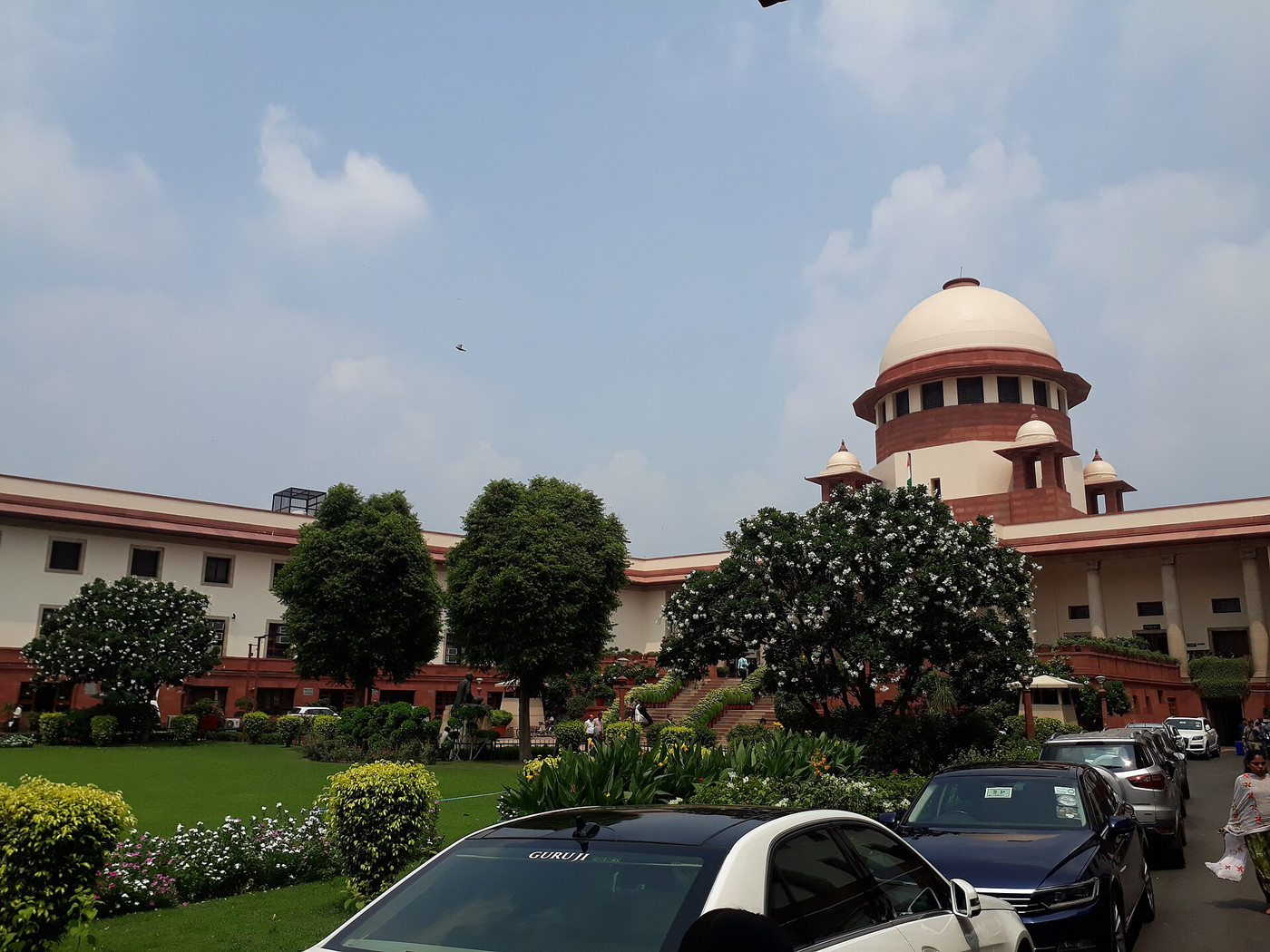
File photo: Pinakpani (CC BY-SA 4.0), via Wikimedia Commons
On October 27, 2026 the Supreme Court issued notice to the Centre on digital news publishers' plea against the DPDP Act and Rules; hearing on November 17.
What Happened
The Supreme Court on Tuesday, October 27, 2026, asked the Union government to respond to a petition by the Digital News Publishers Association (DNPA) that challenges India's main data protection law, the Digital Personal Data Protection Act, 2023, and the rules made under it. A bench of Chief Justice of India Surya Kant and Justices Joymalya Bagchi and V Mohana issued notice to the Centre after hearing senior advocate Madhavi Divan for the publishers, and listed the case for November 17 along with other pending petitions on the law. The court did not pass any interim order. The publishers argue that the law has no exemption for journalism and that this threatens news reporting and the protection of confidential sources.
Key Facts
- Date: notice issued on Tuesday, October 27, 2026; next hearing on November 17.
- Bench: Chief Justice Surya Kant with Justices Joymalya Bagchi and V Mohana.
- Petitioners: the DNPA, which represents the digital arms of 21 major news organisations, along with independent investigative journalist Yukta Mudgal.
- What is challenged: several sections of the DPDP Act, Rules 16, 17 and 23 of the Digital Personal Data Protection Rules, 2025, and the make-up and powers of the Data Protection Board of India.
- RTI angle: the petition also challenges the change the Act made to Section 8(1)(j) of the Right to Information Act, which the publishers say limits access to information about public officials.
- Stay: the publishers asked for the provisions to be put on hold, but the Chief Justice said the court would not pass an order without hearing the other side.
Why It Matters
The DPDP Act sets the rules for how any organisation, from a large platform to a small start-up, collects and uses people's personal data, and it builds that system around consent. The publishers' case is that this framework, applied to newsrooms, would require journalists to seek consent from the very people they report on, with no carve-out for public-interest reporting. Their counsel argued that such a consent requirement could work as pre-censorship and hinder investigative reporting.
According to the petition, earlier drafts of India's data protection law, in 2018, 2019 and 2021, included an exemption for journalism, but it was dropped from the 2022 draft and did not appear in the law Parliament passed. The bench, for its part, said a balance has to be struck between the rights of citizens and the rights of the media, and asked the petitioners to suggest safeguards that could stop a journalism exemption from being misused. That signals the court may look for a middle path rather than simply striking down or upholding the provisions.
The case also matters for the timeline of compliance. The DPDP Rules were notified on November 14, 2025, and set up a fully digital Data Protection Board with four members, where citizens can file and track complaints online. Appeals against the Board go to the Telecom Disputes Settlement and Appellate Tribunal. The core operating obligations of the Act take full effect in May 2027; until then, the older IT Act framework continues to apply. Businesses are using this window to rebuild consent and data-handling systems, so any change the court makes could alter what they need to do.
| Point | Publishers' argument | Court's response so far |
|---|---|---|
| Journalism exemption | Missing from the Act, though present in 2018-2021 drafts | Asked for safeguards against misuse of any exemption |
| Interim stay | Sought on the challenged provisions | No order without hearing the Centre |
| RTI change | Limits information on public officials | Notice issued; to be heard November 17 |
Impact
Short-term: The government will now file its response before the November 17 hearing. The law and rules remain in force as notified, and the compliance timetable is unchanged for now.
Long-term: The outcome could decide whether India's data law carves out space for journalism, and how narrowly. A ruling that adds an exemption with safeguards would shape not only newsrooms but also research, archives and other activities that depend on handling personal information.
Who is affected: Digital news publishers and independent journalists, the Data Protection Board, the Ministry of Electronics and Information Technology, RTI users seeking information about public officials, and the many start-ups and companies preparing to comply with the DPDP Act before May 2027.
Key Takeaway
The Supreme Court has opened a formal challenge to India's data protection law over its lack of a journalism exemption, but has left the law untouched until it hears the government on November 17.
Questions and Answers
What did the Supreme Court do on October 27, 2026?
It issued notice to the Union government on the Digital News Publishers Association's petition against the DPDP Act and its rules, and listed the case for November 17. It did not stay any provision.
Why are news publishers challenging the DPDP Act?
They say the law has no exemption for journalistic work, so reporters could be required to seek consent from the people they write about. They argue this could act as pre-censorship and put the confidentiality of sources at risk.
Does the DPDP Act stop applying while the case is heard?
No. The court refused to pass an order without hearing the government, so the Act and the 2025 Rules stay in force, with their core obligations due to take full effect in May 2027.
What is the Data Protection Board of India?
It is the digital body set up under the 2025 Rules to hear complaints about misuse of personal data. It has four members, citizens can file and track complaints online, and appeals against its orders go to the Telecom Disputes Settlement and Appellate Tribunal.
Disclaimer: Prepared by the Peepals newsroom from publicly available sources with AI assistance. Information is accurate to the best of our knowledge at the time of publication and may change. Images may be representative. Not professional advice. Report an error via our contact page.
By Karan Bansal, Tech Startups CorrespondentCovers Tech Start-ups & Stories and more for Peepals Tech. All stories by Karan Bansal
OpenAI says its AI disproved the Exponential Time Hypothesis; experts to check
Protectt.ai takes majority stake in Bosch-incubated AI security firm AIShield
Get the day's stories in your inbox
Peepals Weekly: the week decoded, free. One email a week, unsubscribe in one click.
Karan Bansal is a pen name of the Peepals Global Editorial Team, which researches, fact-checks and publishes every story. The portrait is an illustration.