Google to give 200 European researchers access to AlphaFold 3, other science AI
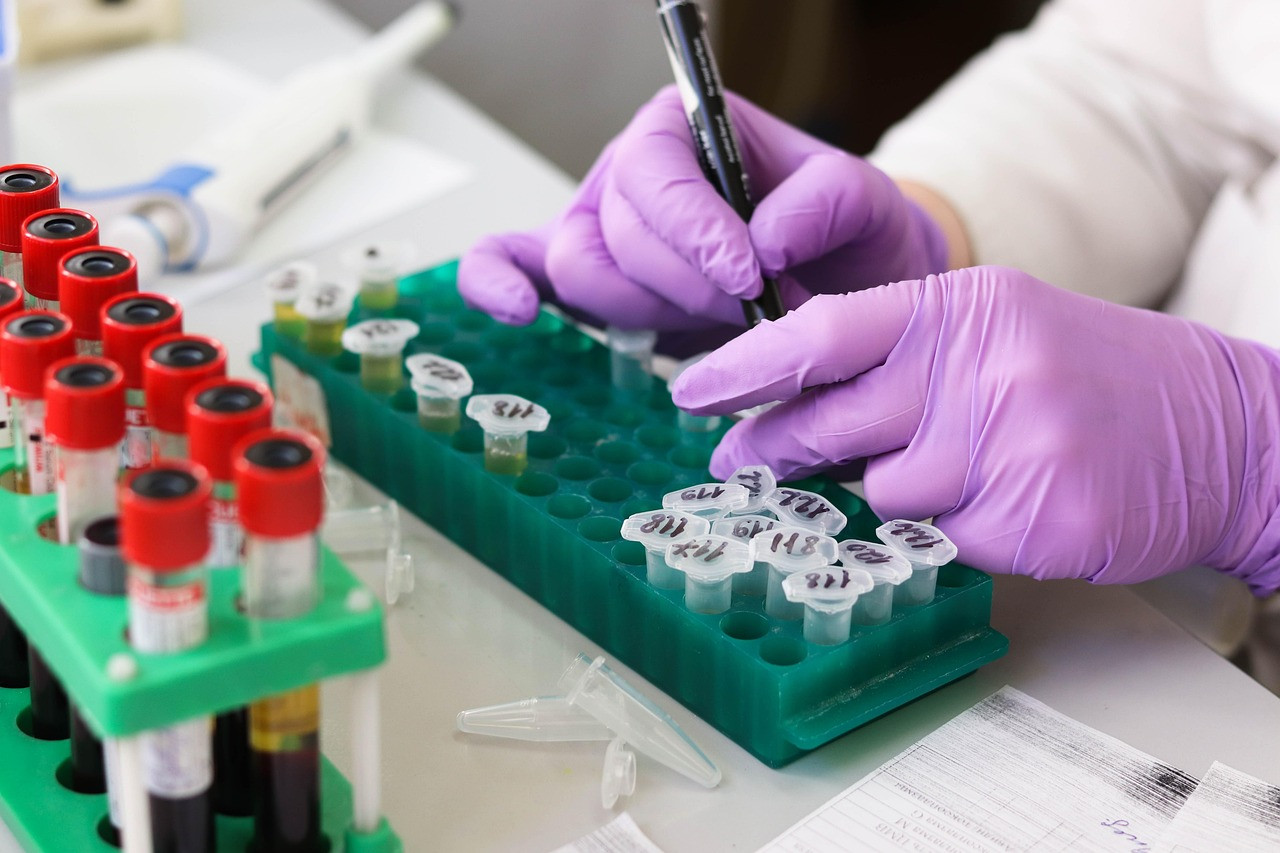
Representative image: Belova59 / Pixabay
Google said on October 14, 2026 it will give up to 200 European researchers, picked by the EU's RAISE scheme, access to its science AI models and $3 million in credits.
What Happened
Google said on Wednesday, October 14, 2026, at an artificial intelligence (AI) summit in Dublin, that it will give up to 200 European researchers access to its most advanced scientific AI models, along with about $3 million in cloud computing credits. The researchers will not be chosen by Google but by the European Commission, through its programme called RAISE, the Resource for AI Science in Europe. The tools on offer, from Google DeepMind and Google Cloud, include AlphaFold 3 for protein structures, the WeatherNext forecasting models, AlphaGenome, AlphaEvolve and AlphaEarth Foundations.
Key Facts
- Announced: October 14, 2026, at an AI summit in Dublin; the figures were also reported from Brussels.
- Who benefits: up to 200 researchers in Europe.
- Selection: by the European Commission through RAISE (Resource for AI Science in Europe), not by Google.
- Support: access to scientific models plus about $3 million in Google Cloud compute credits.
- Tools named: AlphaFold 3, WeatherNext, AlphaGenome, AlphaEvolve and AlphaEarth Foundations.
- One outlet calculated that an even split would give each researcher or team about $15,000 in credits.
Why It Matters
AI has become one of the most powerful tools in science. Models that predict protein structures or forecast weather, for example, can speed up research considerably. But the most capable of these tools are built by a handful of large technology companies, and the computing power needed to use them at scale is expensive. Universities and public labs, especially smaller ones, often cannot afford it. Programmes that open access are one way of narrowing that gap.
The way this offer is structured is also notable. By letting the European Commission's RAISE programme choose the researchers, Google steps back from deciding who gets access. That matters in Europe, where policymakers have been keen to build the continent's own AI capacity, and it places a private company's tools inside a public selection process.
The sums involved are modest by the standards of big tech. Spread over 200 researchers, $3 million would pay for focused experiments rather than very large computing runs. For Google, the benefit is goodwill with European policymakers and a pipeline of scientists who become familiar with its tools. For researchers, it is a chance to work with models they might otherwise reach only through limited public versions.
For readers in India, the announcement is a useful comparison. India is building its own shared computing for AI under the IndiaAI Mission, and Indian scientists face the same problem of access to expensive frontier tools. Whether similar company-government partnerships are offered to Indian researchers is a question to watch.
| Detail | Information |
|---|---|
| Announced | October 14, 2026, Dublin |
| Researchers | Up to 200 in Europe |
| Selected by | European Commission's RAISE programme |
| Credits | About $3 million in total |
| Tools | AlphaFold 3, WeatherNext, AlphaGenome, AlphaEvolve, AlphaEarth Foundations |
Impact
Short-term: European researchers will be able to apply through RAISE once the Commission sets out its process. Fields that already use these tools, such as structural biology, climate and genomics, are likely to benefit first.
Long-term: If the scheme works, it could become a template for other public-private deals that give scientists access to frontier AI without each lab paying full commercial prices. It may also increase pressure on other AI companies to offer similar access.
Who is affected: Scientists and research institutions in Europe; the European Commission and its AI-for-science plans; Google and its competitors; and, indirectly, researchers elsewhere who may push for similar arrangements.
Key Takeaway
Google is opening its top scientific AI tools and $3 million in credits to up to 200 European researchers, with the European Commission, not Google, choosing who gets access.
Questions and Answers
What did Google announce for European researchers?
On October 14, 2026, Google said up to 200 European researchers will get access to its advanced scientific AI models, including AlphaFold 3 and WeatherNext, plus about $3 million in cloud computing credits.
Who decides which researchers get access?
The European Commission, through its RAISE programme (Resource for AI Science in Europe). Google provides the tools and computing.
Which Google AI tools are included?
AlphaFold 3, WeatherNext, AlphaGenome, AlphaEvolve and AlphaEarth Foundations, from Google DeepMind and Google Cloud.
How much computing support will each researcher get?
Google has set aside about $3 million in total. One outlet estimated that an even split across 200 recipients would be about $15,000 each, enough for focused experiments rather than very large runs.
Disclaimer: Prepared by the Peepals newsroom from publicly available sources with AI assistance. Information is accurate to the best of our knowledge at the time of publication and may change. Images may be representative. Not professional advice. Report an error via our contact page.
Sourced and fact-checked by the Peepals Global Editorial Team
Zenzap raises $44 million to replace WhatsApp at work with AI chat
Shillong-based Shamrock AI raises $5 million seed round led by Endiya Partners
Reported, fact-checked and published by the Peepals Global Editorial Team.