
BharatGen Patram 1.5: open 7B AI model reads Indian documents
 By Anika SharmaAI & Innovations Editor, Peepals Tech
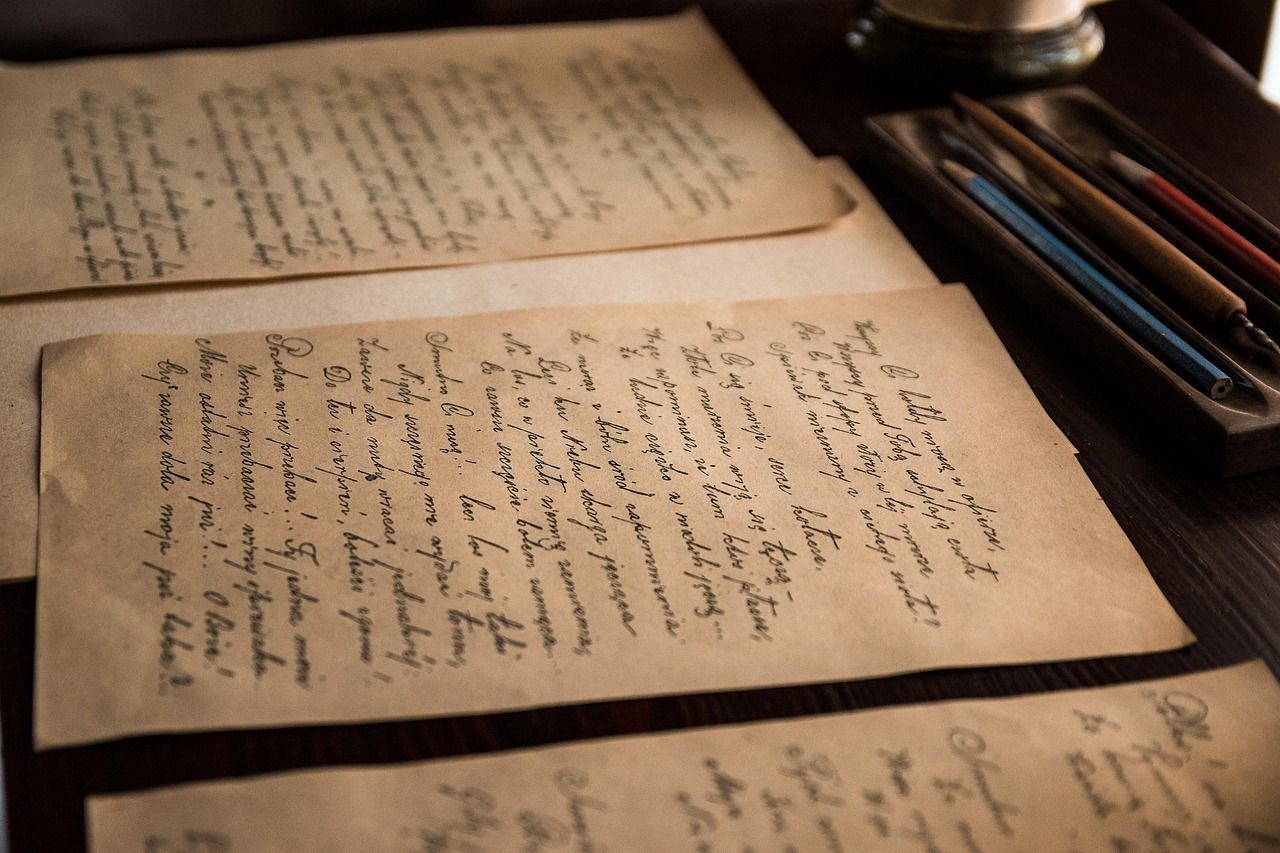
Representative image: jarmoluk / Pixabay
BharatGen released Patram 1.5 on 26 November, an open 7-billion-parameter model that reads scanned, handwritten and stamped Indian documents as images.
BharatGen Patram 1.5: what happened
BharatGen, the IIT Bombay-anchored initiative building Indian AI models, released Patram 1.5 on Thursday, 26 November 2026. It is a vision-language model with 7 billion parameters, built to read scanned, handwritten, stamped and multilingual documents. The model's weights are openly available on Hugging Face, and it can also be tried through the BharatGen Playground. It succeeds Patram 1, which was released in June 2025.
BharatGen Patram 1.5: key facts
- Model: Patram 1.5, a 7-billion-parameter vision-language model (VLM) for documents.
- Release: 26 November 2026, with open weights on Hugging Face and a public playground for testing.
- Approach: it reads each page as an image, instead of first converting it to text with separate OCR software.
- Output: it can return the extracted information as JSON, HTML or Markdown, formats that other software can easily use.
- Honesty about gaps: it is trained to say when a field is blank or a number is too blurred to read, rather than guess.
- Testing: BharatGen says it compared the model with 20 other vision models and seven OCR systems on its own benchmark, PatramBench, which has not yet been released.
- Lineage: it follows Patram 1, released in June 2025.
BharatGen Patram 1.5: why it matters
India runs on paper. Land records, ration cards, court files, bank forms, certificates and medical prescriptions often exist as scanned images, many with handwriting, rubber stamps, signatures and more than one language on the same page. Turning these into usable digital data is slow and error-prone. Traditional optical character recognition, or OCR, software converts printed letters into text, but it often struggles with handwriting, poor scans and mixed scripts. The usual workaround has been to run OCR first and then pass the text to a language model, so mistakes in the first step carry into the second.
A vision-language model works differently. It "looks" at the whole page as an image, the way a person would, and understands layout, tables and stamps together with the words. A parameter is one of the internal numbers a model learns during training; 7 billion parameters makes Patram 1.5 relatively small by today's standards, which means it can run on less expensive hardware. That matters for government offices, banks and small companies that cannot afford large computing bills.
The feature that may matter most in practice is that the model, according to BharatGen, flags what it cannot read. In document work, a confident wrong answer, such as a misread account number, can be worse than a blank. A model that says "this field is unreadable" lets a human step in.
Open weights mean anyone can download the model, run it on their own machines and adapt it, without sending sensitive documents to a foreign cloud service. For records that contain personal data, that is an important option.
The claims about performance are BharatGen's own. Its benchmark has not been published, so independent testers cannot yet check how Patram 1.5 compares with other systems.
Peepals timeline: June 2025: BharatGen releases Patram 1, its first document model. 26 November 2026: Patram 1.5 is released as an open-weight 7B model with JSON, HTML and Markdown output and abstention on unreadable fields. Still to come: the public release of PatramBench, the benchmark behind BharatGen's comparisons.
BharatGen Patram 1.5: impact
Short-term: Developers, government departments and companies can download Patram 1.5 and test it on their own document backlogs.
Long-term: If it performs as claimed, open, Indian-built document AI could speed up the digitisation of records in Indian languages while keeping sensitive data on local systems.
Who is affected: Government offices, banks, insurers, hospitals and courts that handle scanned documents; Indian AI developers; and citizens whose records are being digitised.
What to watch next: The release of PatramBench, which will allow independent checks of BharatGen's performance claims.
BharatGen Patram 1.5: key takeaway
Teams that digitise forms or records should test Patram 1.5 on their own documents, and wait for the PatramBench release before relying on BharatGen's comparisons with other models.
BharatGen Patram 1.5: questions and answers
What is BharatGen Patram 1.5?
It is an open-weight AI model with 7 billion parameters, released on 26 November 2026, that reads scanned, handwritten, stamped and multilingual documents and turns them into structured data.
How is Patram 1.5 different from OCR software?
OCR converts printed characters into text, then other software makes sense of it. Patram 1.5 reads the whole page as an image and extracts the information in one step, including layout and stamps.
Where can I try Patram 1.5?
Its weights are available on Hugging Face, and BharatGen offers a public playground to test it in a browser.
Has Patram 1.5 been tested independently?
Not yet. BharatGen reports testing it against 20 vision models and seven OCR systems on its own PatramBench, but that benchmark has not been released for others to check.
Disclaimer: Prepared by the Peepals newsroom from publicly available sources with AI assistance. Information is accurate to the best of our knowledge at the time of publication and may change. Images may be representative. Not professional advice. Report an error via our contact page.
By Anika Sharma, AI & Innovations EditorCovers AI & Innovation and more for Peepals Tech. All stories by Anika Sharma
Officeworks GCC Bengaluru opens: data, AI and SAP roles for founding team
JSW Combat Pioneers 500: bid-based bookings open November 28
Your week ahead, every Sunday. Free.
Exam and result dates, IPOs opening, scheme deadlines, government holidays and the RBI decision for the next 7 days, plus the week's top stories. One email a week, unsubscribe in one click.
Anika Sharma is a pen name of the Peepals Global Editorial Team, which researches, fact-checks and publishes every story. The portrait is an illustration.
Responsible for this story: the Peepals Global Editorial Team. How we report