AI agents lift Modal: cloud start-up triples its value in five months in Accel deal
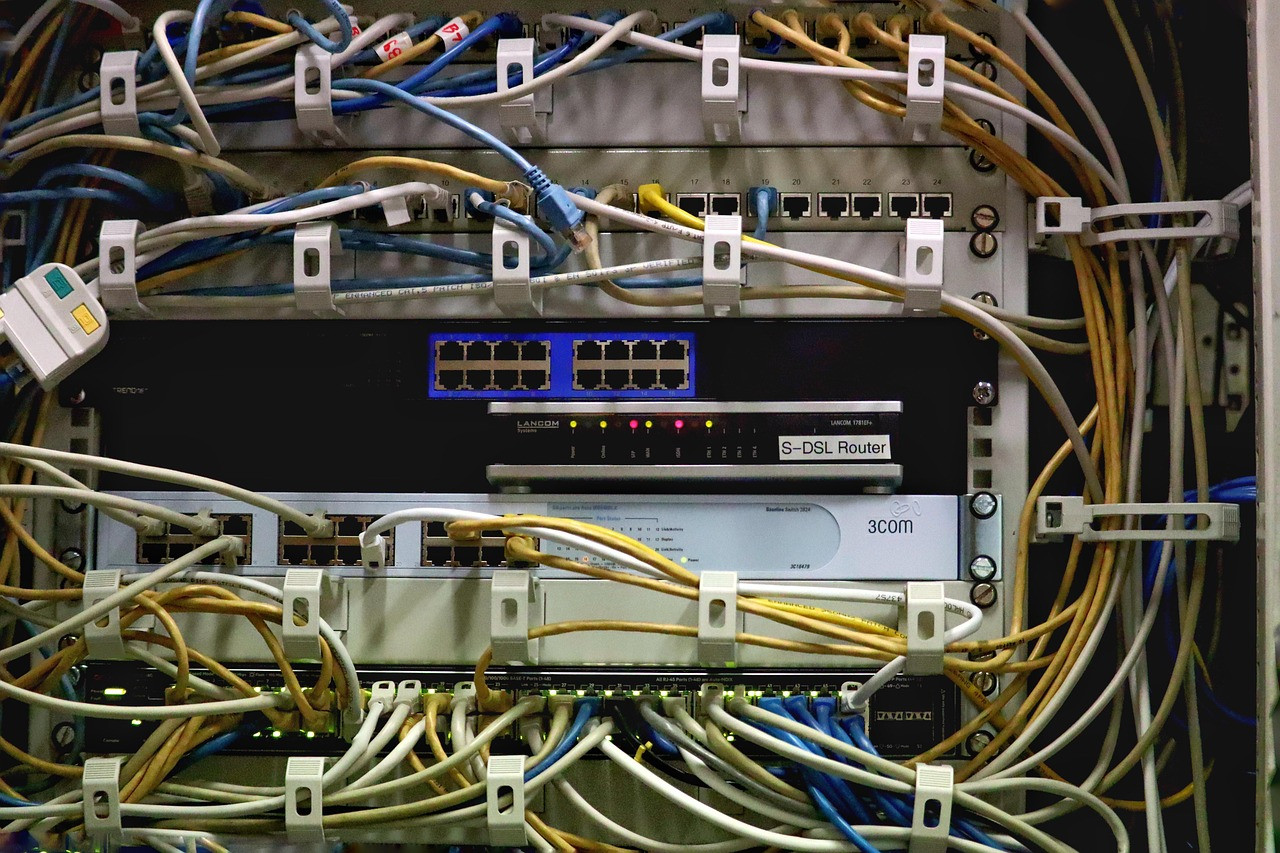
Representative image: Tho-Ge / Pixabay
AI cloud start-up Modal raised a $750 million Series D at a $15.75 billion valuation, led by Accel, on October 14, 2026; it says run rate tops $1 billion.
What Happened
Modal, a US start-up that rents out cloud computing built for artificial intelligence work, has raised $750 million in a Series D round at a post-money valuation of $15.75 billion, it was reported on Wednesday, October 14, 2026. Venture firm Accel led the round, Kleiner Perkins joined as a new investor, and all of Modal's existing backers took part, including Menlo Ventures, General Catalyst, Redpoint, Lux Capital and Bain Capital Ventures. The company also said its annualised revenue run rate has passed $1 billion.
Key Facts
- Round: $750 million Series D at a $15.75 billion post-money valuation, announced October 14, 2026.
- Lead investor: Accel; new investor Kleiner Perkins; all existing investors participated.
- The valuation is more than three times the $4.65 billion set in Modal's Series C on May 21.
- Modal says its annualised run rate has topped $1 billion, a company figure rather than audited revenue.
- Its sandboxes product, which lets AI agents run code in isolated environments, is reported to bring in about $300 million a year.
- The company says usage has tripled and that it has grown more than 15 times year on year since the Series C.
Why It Matters
Most of the money in AI so far has gone to two groups: the labs that build models and the chipmakers and data-centre owners that power them. Modal sits in between. Its pitch to developers is that they can run AI code, from model training to answering user requests, without buying servers or managing a cluster of graphics chips themselves. They write the code, and Modal finds the computing power, runs it and bills for what was used.
The jump from $4.65 billion to $15.75 billion in under five months shows how quickly investors are now paying for that layer. The reason is AI agents. An agent that writes and tests software, or works through a task step by step, needs a safe place to run the code it produces. That is what Modal's sandboxes offer, and the reported $300 million a year from that product alone suggests demand is real rather than speculative.
The round also lands in a nervous week for AI infrastructure. Shares in larger cloud providers have been hit by worries over the debt used to build data centres. Modal's ability to raise a large equity round, with every existing investor coming back, points to a split in how investors see the sector: they are wary of heavy borrowing, but still willing to back fast-growing software companies that sell computing by the second.
For Indian start-ups building AI products, companies like Modal are part of the toolkit. Small teams can reach powerful graphics chips on demand without the up-front cost of hardware, which lowers the barrier to building and testing AI services.
| Round | Valuation | Timing |
|---|---|---|
| Series C | $4.65 billion | May 21, 2026 |
| Series D | $15.75 billion (post-money) | October 14, 2026 |
Impact
Short-term: Modal has fresh money to buy computing capacity and expand. It has already set up in London, and more hiring and new regions are likely to follow.
Long-term: If AI agents become a normal part of software, the market for safe, on-demand places to run their code could become as important as the models themselves. Modal is now one of the best-funded companies trying to own it.
Who is affected: AI developers and start-ups that rent computing power, rival cloud providers, investors in AI infrastructure, and companies deploying AI agents.
Key Takeaway
Modal's $750 million round at a $15.75 billion valuation, more than three times its May price, shows investors are paying heavily for the cloud software that runs AI agents' code.
Questions and Answers
How much did Modal raise and at what valuation?
Modal raised $750 million in a Series D at a $15.75 billion post-money valuation, announced on October 14, 2026.
Who led Modal's funding round?
Accel led the round. Kleiner Perkins joined as a new investor, and existing investors including Menlo Ventures, General Catalyst, Redpoint, Lux Capital and Bain Capital Ventures also took part.
What does Modal do?
It provides cloud computing for AI work. Developers run training jobs, AI features and AI agents' code on Modal's infrastructure without managing their own servers, and its sandboxes let agents run code in isolated environments.
Is Modal's $1 billion revenue figure audited?
No. The $1 billion annualised run rate is the company's own figure, and Modal is privately held.
Disclaimer: Prepared by the Peepals newsroom from publicly available sources with AI assistance. Information is accurate to the best of our knowledge at the time of publication and may change. Images may be representative. Not professional advice. Report an error via our contact page.
Sourced and fact-checked by the Peepals Global Editorial Team
MIT's Eric So warns heavy AI dependence can weaken thinking skills in new book
Netflix lays off 1,000 staff, 6%, mostly in product and tech roles
Reported, fact-checked and published by the Peepals Global Editorial Team.