
Nvidia rejects report that Jensen Huang was target of Chinese spy plot
 By Pooja MehraIndustry Trends Analyst, Peepals Tech
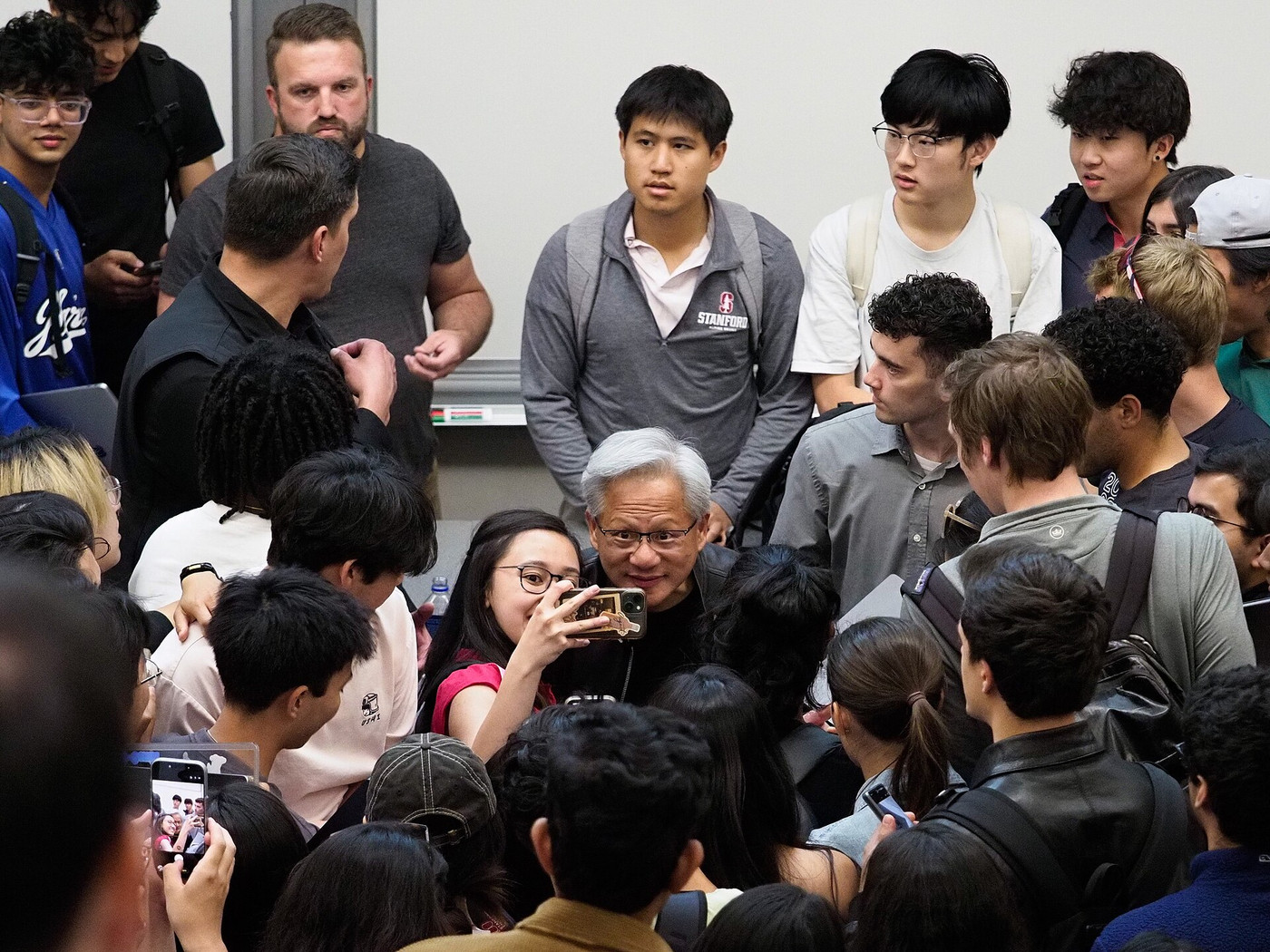
File photo: Anderseidesvik (CC BY-SA 4.0), via Wikimedia Commons
Nvidia on 29 October 2026 rejected a report that US agencies suspected a Megaspeed executive close to CEO Jensen Huang of spying for China; Beijing also denied it.
What Happened
Nvidia on Thursday, 29 October 2026, rejected a US newspaper report that American intelligence agencies had watched a former executive of Megaspeed, a Singapore-based data centre company and Nvidia customer, on suspicion that she was gathering information for China, including through her contact with Nvidia chief executive Jensen Huang. The report relied on unnamed sources and no charges have been reported. China's Foreign Ministry called the report "based on groundless speculation", and Mr Huang said Nvidia had checked Megaspeed's use of its chips.
Key Facts
- The report, published on 29 October 2026, said US agencies suspected a former Megaspeed executive of passing information to Beijing.
- She had reportedly been photographed with Jensen Huang at business dinners in the Singapore region.
- The report rested on anonymous sources; no charges were reported.
- Nvidia said earlier allegations that Megaspeed diverted chips were "thoroughly investigated and debunked last year."
- Nvidia described Megaspeed as one of its regional cloud customers and said meeting customers is part of a chief executive's job.
- In an interview, Mr Huang said of Megaspeed's systems: "We've studied all their deployments of our GPUs and counted every one."
- China's Foreign Ministry said the report was "based on groundless speculation."
Why It Matters
Nvidia makes the graphics processing units, or GPUs, that power most of the world's large artificial intelligence systems. Because these chips are so important, the United States restricts which advanced models can be sold to China, and it has investigated whether some buyers outside China were reselling restricted chips to Chinese companies. Megaspeed was one company examined over such concerns in 2025, according to reports, though Nvidia says those diversion allegations were cleared.
The new report goes further, suggesting that someone close to Nvidia's chief executive may have been gathering information on the company's plans and on its efforts to persuade Washington to allow more chip sales to China. That is a serious claim, but it rests on unnamed officials, and it is denied by Nvidia and by Beijing. US officials reportedly did not believe Mr Huang knew of any information gathering, and one report said the government had not briefed Nvidia about the executive.
The episode lands at a sensitive time for the chip industry. Nvidia has been arguing for wider access to the Chinese market, while US lawmakers have pressed for tighter controls. Any suggestion that the company's leadership was a target of foreign intelligence is likely to add to that debate, regardless of what the investigation found.
For India, which is building its own AI computing capacity with imported GPUs, the story is a reminder of how closely chip sales are now tied to national security. Rules on who can buy advanced chips, and how their use is checked, shape where AI data centres can be built and at what cost.
| What each side says | Position |
|---|---|
| The report (29 October 2026) | US agencies suspected a former Megaspeed executive of gathering information for China |
| Nvidia | Diversion allegations against Megaspeed were "investigated and debunked"; customer meetings are routine |
| Jensen Huang | Nvidia "counted every one" of Megaspeed's GPUs |
| China's Foreign Ministry | The report is "based on groundless speculation" |
Impact
Short-term: Nvidia faces fresh questions from lawmakers and investors about its dealings with customers in Asia, at a time when its China sales are already under political scrutiny.
Long-term: The case may strengthen calls in Washington for tighter checks on where advanced AI chips end up, which could affect how Nvidia and other chipmakers sell to data-centre operators across Asia.
Who is affected: Nvidia and its customers, especially data-centre companies in South-East Asia; US and Chinese officials handling chip export rules; and countries such as India that rely on imported AI chips.
Key Takeaway
Nvidia and China have rejected a 29 October 2026 report that US agencies suspected a Megaspeed executive close to Jensen Huang of spying for Beijing; the claims rest on anonymous sources and no charges have been reported.
Questions and Answers
What did the report say about Jensen Huang?
A report on 29 October 2026 said US intelligence agencies suspected a former executive of Megaspeed, a Singapore-based Nvidia customer who had met Jensen Huang at business dinners, of gathering information for China. US officials reportedly did not believe Mr Huang knew of any such activity.
How did Nvidia respond?
Nvidia said earlier allegations that Megaspeed diverted chips had been "thoroughly investigated and debunked last year," and that meeting customers is a normal part of a chief executive's job. Mr Huang said Nvidia had counted every GPU Megaspeed deployed.
What did China say?
China's Foreign Ministry said the report was "based on groundless speculation."
Has anyone been charged?
No charges were reported in connection with the claims, which rest on unnamed sources.
Disclaimer: Prepared by the Peepals newsroom from publicly available sources with AI assistance. Information is accurate to the best of our knowledge at the time of publication and may change. Images may be representative. Not professional advice. Report an error via our contact page.
By Pooja Mehra, Industry Trends AnalystCovers Industry News & Trends and more for Peepals Tech. All stories by Pooja Mehra
Drupal Commerce flaw exploited against online stores; patch urged now
MeitY unveils DEPA for AI Training draft to unlock data while protecting privacy
Get the day's stories in your inbox
Peepals Weekly: the week decoded, free. One email a week, unsubscribe in one click.
Pooja Mehra is a pen name of the Peepals Global Editorial Team, which researches, fact-checks and publishes every story. The portrait is an illustration.