
Octopus cyberattack: data of 7,500 customers, 22,000 merchants exposed
 By Karan BansalTech Startups Correspondent, Peepals Tech
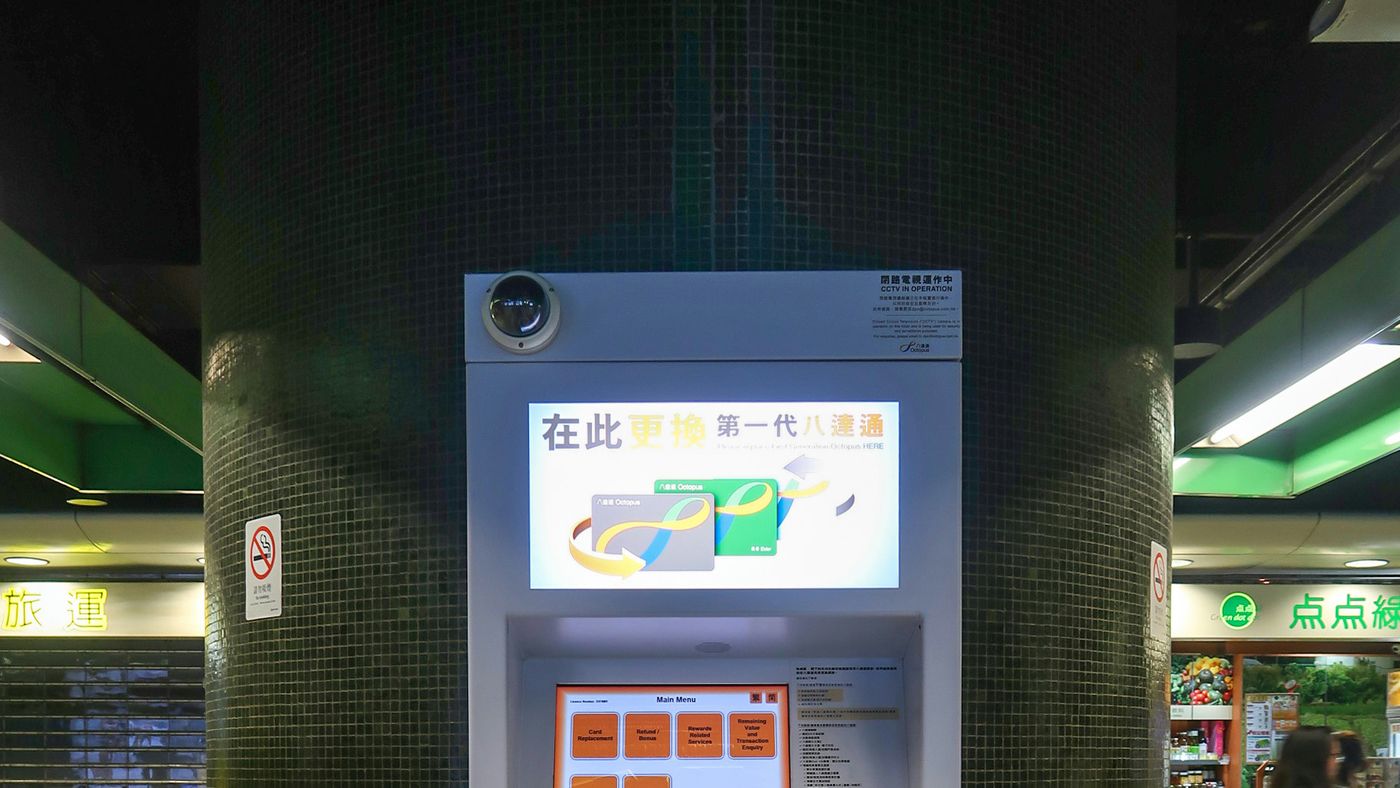
File photo: Wpcpey (CC BY-SA 4.0), via Wikimedia Commons
Hong Kong's Octopus Cards said a cyberattack found on 27 November 2026 may have exposed data of 7,500 customers and 22,000 merchants; no money was lost.
Octopus cyberattack: what happened
Octopus Cards Limited, which runs Hong Kong's widely used Octopus stored-value payment card, said it detected a cyberattack on the morning of Friday, 27 November 2026 and has contained the intrusion. The company said the personal data of about 7,500 customers and the contact records of about 22,000 merchants may have been exposed. It said core payment services, physical cards, its mobile app and the Octopus Wallet kept working throughout, and that no customer has been found to have lost money.
Octopus cyberattack: key facts
- Detected: the morning of 27 November 2026; Octopus says the intrusion was contained.
- Customers: about 7,500 people's records may have been exposed. Initial forensic checks show these contained names and photographs.
- Some customer records also held settings for the Automatic Add Value Service, including bank codes and top-up amounts; Octopus says card numbers and bank account numbers were not involved.
- Merchants: about 22,000 merchants' general business contact details were affected, such as contact persons' names, job titles, email addresses and phone numbers.
- Octopus has reported the incident to the relevant authorities and opened a full forensic investigation.
- Affected people are being contacted by email or SMS, and hotlines have been set up for personal customers (2266 2222) and business customers (2266 2388).
Octopus cyberattack: why it matters
Octopus is widely used for everyday payments in Hong Kong. An attack on the company behind it is therefore treated seriously even when, as here, the money side of the system appears untouched. The company's statement focuses on two reassurances: payments kept working, and card and bank account numbers were not in the exposed data.
That does not make the breach harmless. Names and photographs together can be used to make scam messages or fake identity documents more convincing. Bank codes and top-up amounts, though not account numbers, tell a fraudster which bank a person uses and how much they usually load onto their card, details that can make a phishing call or text sound genuine. Merchant contact lists are also useful to criminals who send fake invoices or payment requests to businesses.
The incident is a reminder for payment and fintech companies everywhere, including in India, where payment apps hold similar mixes of identity, bank and transaction data. Even when core systems hold up, the supporting databases around them, such as customer profiles and merchant contact lists, can be the weak point.
The company has not said how the attackers got in or who they were, and the forensic investigation is still under way. The number of people affected could change as that work continues.
Peepals calculation: Together, the two groups come to about 29,500 records (7,500 + 22,000 = 29,500). Customers make up about a quarter of that total (7,500 ÷ 29,500 ≈ 25%), and merchants about three-quarters (22,000 ÷ 29,500 ≈ 75%). Our calculation from the reported figures.
| Group | Number affected | Data involved |
|---|---|---|
| Customers | About 7,500 | Names, photographs; some top-up settings with bank codes and amounts |
| Merchants | About 22,000 | Business contact names, job titles, emails, phone numbers |
| Not involved | All users | Card numbers, bank account numbers (company statement) |
Octopus cyberattack: impact
Short-term: Affected customers and merchants are being contacted directly and should be alert to calls, texts or emails that use their personal details to ask for payments, passwords or one-time codes.
Long-term: The investigation's findings, and any action by Hong Kong's authorities, will shape how payment operators protect customer profile and merchant data, not only their core payment systems.
Who is affected: About 7,500 Octopus customers and 22,000 merchants in Hong Kong, the wider Octopus user base, and payment companies watching how the breach is handled.
Octopus cyberattack: key takeaway
If you use Octopus and are told your data was exposed, treat any unexpected call or message that mentions your name, bank or top-up amount with suspicion, and confirm through the company's official hotlines.
Octopus cyberattack: questions and answers
What happened in the Octopus cyberattack?
Octopus Cards detected a cyberattack on the morning of 27 November 2026 that may have exposed the personal data of about 7,500 customers and the contact details of about 22,000 merchants. The company says the intrusion was contained.
Was any money lost?
The company says no customer has been found to have suffered a financial loss, and that card and wallet balances remain protected.
Were card or bank account numbers stolen?
Octopus says card numbers and bank account numbers were not involved. Some records did include bank codes and top-up amounts for the Automatic Add Value Service.
How can affected people get help?
Octopus is contacting them by email or SMS and has set up hotlines: 2266 2222 for personal customers and 2266 2388 for business customers.
Disclaimer: Prepared by the Peepals newsroom from publicly available sources with AI assistance. Information is accurate to the best of our knowledge at the time of publication and may change. Images may be representative. Not professional advice. Report an error via our contact page.
By Karan Bansal, Tech Startups CorrespondentCovers Tech Start-ups & Stories and more for Peepals Tech. All stories by Karan Bansal
Samajik Sahayak: AI chatbot answers welfare queries in 22 languages
Coursera Global Skills Report 2026: India's GenAI enrolments hit 12 a minute
Your week ahead, every Sunday. Free.
Exam and result dates, IPOs opening, scheme deadlines, government holidays and the RBI decision for the next 7 days, plus the week's top stories. One email a week, unsubscribe in one click.
Karan Bansal is a pen name of the Peepals Global Editorial Team, which researches, fact-checks and publishes every story. The portrait is an illustration.
Responsible for this story: the Peepals Global Editorial Team. How we report