
Samajik Sahayak: AI chatbot answers welfare queries in 22 languages
 By Anika SharmaAI & Innovations Editor, Peepals Tech

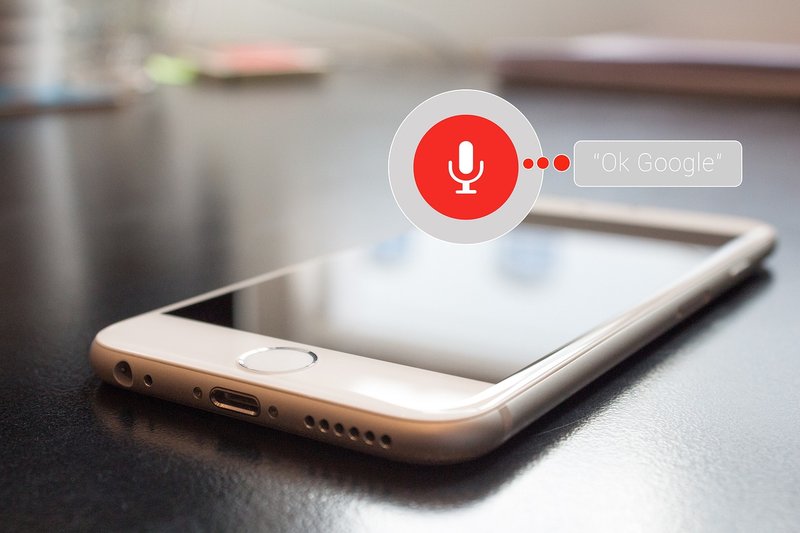
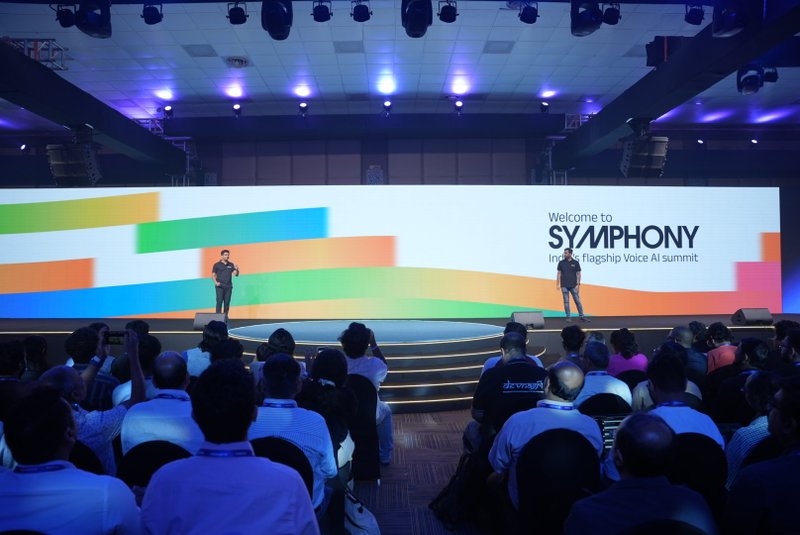
Representative image: Pexels / Pixabay
The Social Justice Ministry's SAMAVESH portal, launched on 25 November, includes Samajik Sahayak, a BHASHINI-powered AI chatbot.
Samajik Sahayak: what happened
Samajik Sahayak, an AI chatbot that answers questions about welfare schemes in more than 22 Indian languages, went live on Wednesday, 25 November 2026, as part of SAMAVESH, a new single digital gateway for the Ministry of Social Justice and Empowerment. Union Minister Dr Virendra Kumar and Minister of State B L Verma launched SAMAVESH and a revamped e-Anudaan grant portal in New Delhi, and the ministry signed an agreement with BHASHINI, the government's language technology platform, which powers the chatbot's multilingual answers.
Samajik Sahayak: key facts
- Chatbot: Samajik Sahayak, built into SAMAVESH, answers welfare-scheme queries in more than 22 Indian languages using BHASHINI.
- SAMAVESH brings the department's portals together behind a common login; the official release counts 33 departmental portals, while other accounts give a figure of more than 20.
- e-Anudaan, the revamped grant-in-aid portal, covers four schemes: NAPDDR, SMILE, Atal Vayo Abhyuday Yojana (AVYAY) and SHRESHTA.
- New checks on e-Anudaan include video-based inspections and geo-tagged records.
- Two memoranda were exchanged: one with BHASHINI for multilingual access, and one with the National Skill Development Corporation (NSDC) for skilling under PM-AJAY.
- The launch was announced by the Press Information Bureau on 25 November 2026.
Samajik Sahayak: why it matters
Many people who rely on welfare schemes are not comfortable with English-language government websites. A chatbot that can explain eligibility, documents and status in a person's own language removes one of the biggest barriers to applying.
The technical choice is significant. Rather than build its own language models, the ministry is using BHASHINI, the national platform that offers speech and translation tools in Indian languages to government departments. This is a practical example of India's language-AI infrastructure being used in a public service, which is the kind of adoption that decides whether such platforms matter outside demonstrations.
The single gateway also tackles a common frustration: having to register separately on many portals of the same ministry. With a common login across the department's services, a beneficiary or an NGO can find and apply for several schemes in one place.
The e-Anudaan changes point in another direction: tighter oversight of grants paid to organisations under the four schemes. Video inspections and geo-tagged records make it harder to claim grants for facilities that do not exist or do not operate as described.
As with any AI assistant, accuracy will be the test. A chatbot that gives wrong eligibility information could mislead the very people it is meant to help, so how the ministry monitors and corrects answers will matter as usage grows.
Peepals timeline: The launch of SAMAVESH and e-Anudaan was announced in advance on 24 November 2026; on 25 November, Dr Virendra Kumar and B L Verma launched both portals in New Delhi, with the Samajik Sahayak chatbot live inside SAMAVESH; and on the same day the ministry exchanged agreements with BHASHINI and NSDC.
| Portal or tool | What it does |
|---|---|
| SAMAVESH | Single gateway with common login for the department's services |
| Samajik Sahayak | AI chatbot answering scheme queries in 22+ languages via BHASHINI |
| e-Anudaan | Grant-in-aid portal for NAPDDR, SMILE, AVYAY and SHRESHTA, with video inspections |
Samajik Sahayak: impact
Short-term: Beneficiaries and NGOs can start using SAMAVESH's common login and ask the chatbot about schemes in their own language. Organisations applying for grants under the four e-Anudaan schemes will face video-based inspections.
Long-term: If the chatbot works well, other ministries may adopt similar BHASHINI-powered assistants, widening the use of Indian-language AI in public services. Better data from geo-tagged records can also improve how grants are monitored.
Who is affected: Beneficiaries of social-justice schemes, organisations that receive grants, ministry staff, and developers working on Indian-language AI who now have a large public use case for BHASHINI.
Samajik Sahayak: key takeaway
Anyone seeking a social-justice scheme can now ask the Samajik Sahayak chatbot on SAMAVESH in their own language, but should confirm key details with the ministry before applying.
Samajik Sahayak: questions and answers
What is Samajik Sahayak?
Samajik Sahayak is an AI chatbot on the SAMAVESH portal of the Ministry of Social Justice and Empowerment that answers welfare-scheme questions in more than 22 Indian languages using BHASHINI.
What is the SAMAVESH portal?
SAMAVESH is a single digital gateway, launched on 25 November 2026, that brings the department's portals together behind a common login.
Which schemes are on the new e-Anudaan portal?
The revamped e-Anudaan grant portal covers NAPDDR, SMILE, Atal Vayo Abhyuday Yojana (AVYAY) and SHRESHTA.
What is BHASHINI?
BHASHINI is the government's language technology platform that provides translation and speech tools in Indian languages; it powers the chatbot's multilingual answers.
Disclaimer: Prepared by the Peepals newsroom from publicly available sources with AI assistance. Information is accurate to the best of our knowledge at the time of publication and may change. Images may be representative. Not professional advice. Report an error via our contact page.
By Anika Sharma, AI & Innovations EditorCovers AI & Innovation and more for Peepals Tech. All stories by Anika Sharma
STPI Bareilly: 75th centre opens with Rs 18.25 crore for Rohilkhand start-ups
Ethereum Glamsterdam upgrade set for December 15 Hoodi testnet
Your week ahead, every Sunday. Free.
Exam and result dates, IPOs opening, scheme deadlines, government holidays and the RBI decision for the next 7 days, plus the week's top stories. One email a week, unsubscribe in one click.
Anika Sharma is a pen name of the Peepals Global Editorial Team, which researches, fact-checks and publishes every story. The portrait is an illustration.
Responsible for this story: the Peepals Global Editorial Team. How we report