
Tesla FSD South Korea complaint: consumers say China-built cars cannot use it
 By Karan BansalTech Startups Correspondent, Peepals Tech
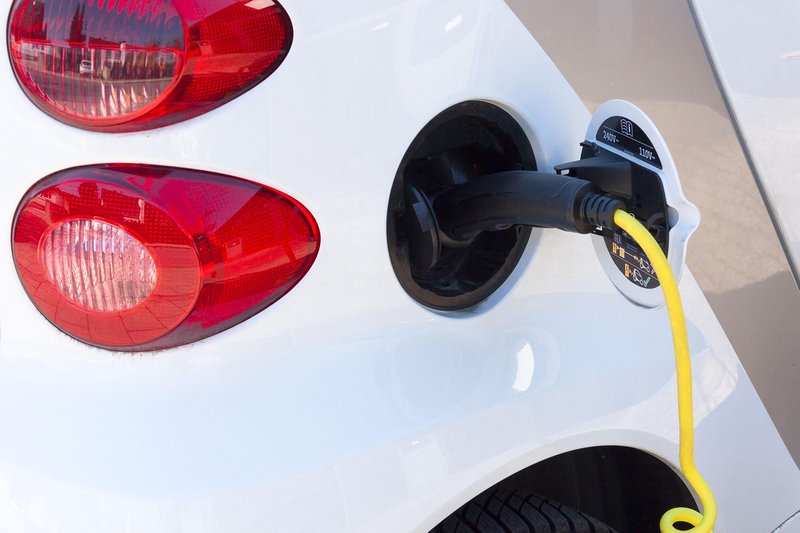
Representative image: Amybutri / Pixabay
A Korean consumer group says Tesla sold Full Self-Driving to owners of China-built cars that cannot legally use it, in a complaint to the KFTC on 5 November 2026.
What Happened
A South Korean consumer group has accused Tesla of misleading buyers about its Full Self-Driving (Supervised) software, saying the company sold the feature to customers whose cars could not legally use it in South Korea. The group, Citizens United for Consumer Sovereignty, said it would file a complaint with the Korea Fair Trade Commission (KFTC), the country's competition and consumer regulator, on Thursday, 5 November 2026. A KFTC official said the commission had already begun looking into Tesla's FSD advertising this year and had received written responses from the company, but gave no further details. The claims are allegations; no finding has been made against Tesla.
Key Facts
- Complainant: Citizens United for Consumer Sovereignty, a South Korean consumer group.
- Regulator: the Korea Fair Trade Commission (KFTC).
- The allegation: Tesla marketed Full Self-Driving (Supervised), or FSD, to buyers for years, often for a one-time payment of 9.043 million won (about $6,726), while most of its cars sold in Korea could not legally use it.
- Eligibility: Tesla Korea's country manager has said FSD can be used on about 20% of Teslas registered in South Korea, those built in the United States.
- The group's analysis says 99% of new Teslas sold in South Korea last year were China-built cars that could not legally use FSD.
- What the group wants: an order to stop FSD marketing for ineligible cars, a fine, and a referral to state investigators.
- Tesla moved from one-time payments to a monthly subscription of 150,000 won (about $112) in August, according to reports.
Why It Matters
Tesla's FSD is a driver-assistance system, not a fully self-driving car. The word "Supervised" in its name means a human driver must watch the road and be ready to take over at all times. Whether such a feature can be used depends on a country's rules and on how each car is certified. In South Korea, according to the reports, US-built Teslas can use FSD, while China-built Teslas cannot legally do so. As Tesla shifted its Korean sales towards cheaper China-built cars, the group says, more and more buyers paid for a feature their cars could not legally switch on.
The case is about advertising and consumer rights rather than safety. The question for the regulator is whether Tesla told buyers clearly enough that the feature they were paying for might never work on their car. The KFTC has examined Tesla's advertising before: in 2022 it investigated whether Tesla exaggerated its cars' driving range.
There is a process dimension too. Tesla Korea's manager told a parliamentary hearing on 8 October that the company had not formally requested FSD testing from the transport ministry. About two weeks later, Tesla applied for certification, according to reports. If certification is granted for more cars, the dispute could change shape.
For Indian readers, the case is a reminder to check what a paid software feature actually does in their own country before buying. Many carmakers now sell features as one-time unlocks or subscriptions, and local rules decide whether they can be used.
Peepals calculation: At the reported prices, the old one-time FSD payment of 9.043 million won equals 60 months, or five years, of the new 150,000 won monthly subscription (9,043,000 ÷ 150,000 ≈ 60.3). Our calculation from the reported figures.
| Tesla FSD in South Korea | Reported figure |
|---|---|
| One-time FSD price | 9.043 million won (about $6,726) |
| Monthly subscription (from August) | 150,000 won (about $112) |
| Share of Korean-registered Teslas able to use FSD | about 20% (US-built cars) |
| New Teslas sold last year unable to use FSD (group's analysis) | 99% |
Impact
Short-term: The KFTC will consider the complaint alongside its existing inquiry into Tesla's FSD advertising. Tesla had not publicly responded to the complaint in the reports.
Long-term: If the regulator rules against Tesla, it could order changes to how FSD is marketed in South Korea, impose a fine, or open the way to refunds. A ruling could also influence how software features are sold with cars in other markets.
Who is affected: Tesla owners in South Korea who paid for FSD on China-built cars, prospective buyers, Tesla Korea, and regulators watching how carmakers sell software features.
What to watch next: Whether the Korea Fair Trade Commission acts on the complaint, and the outcome of Tesla's application to certify FSD in South Korea.
Key Takeaway
A Korean consumer group says Tesla sold Full Self-Driving to buyers whose China-built cars could not legally use it, and has taken the complaint to the Korea Fair Trade Commission.
Questions and Answers
What is the Tesla autopilot complaint in South Korea about?
A consumer group, Citizens United for Consumer Sovereignty, alleges that Tesla misled South Korean buyers by selling Full Self-Driving (Supervised) software to owners of China-built cars that cannot legally use it there. It said it would file the complaint with the Korea Fair Trade Commission on 5 November 2026.
How much did Tesla charge for FSD in South Korea?
According to reports, Tesla often charged a one-time 9.043 million won, about $6,726, before moving to a monthly subscription of 150,000 won, about $112, in August.
Which Teslas can use FSD in South Korea?
Tesla Korea's country manager has said about 20% of Teslas registered in the country, those built in the United States, can use it.
Has the regulator found Tesla at fault?
No. The claims are allegations. A KFTC official said the commission began looking into Tesla's FSD advertising this year and received written responses from the company, but gave no further details.
Disclaimer: Prepared by the Peepals newsroom from publicly available sources with AI assistance. Information is accurate to the best of our knowledge at the time of publication and may change. Images may be representative. Not professional advice. Report an error via our contact page.
By Karan Bansal, Tech Startups CorrespondentCovers Tech Start-ups & Stories and more for Peepals Tech. All stories by Karan Bansal
Venomics AI raises $2.7 million to find medicines in animal venom
Naukri JobSpeak October 2026: AI/ML hiring up 32%, GCCs up 18%
Get the day's stories in your inbox
Peepals Weekly: the week decoded, free. One email a week, unsubscribe in one click.
Karan Bansal is a pen name of the Peepals Global Editorial Team, which researches, fact-checks and publishes every story. The portrait is an illustration.