

Digital arrest: Supreme Court wants RBI rules making banks compensate victims
 By Karan BansalTech Startups Correspondent, Peepals Tech
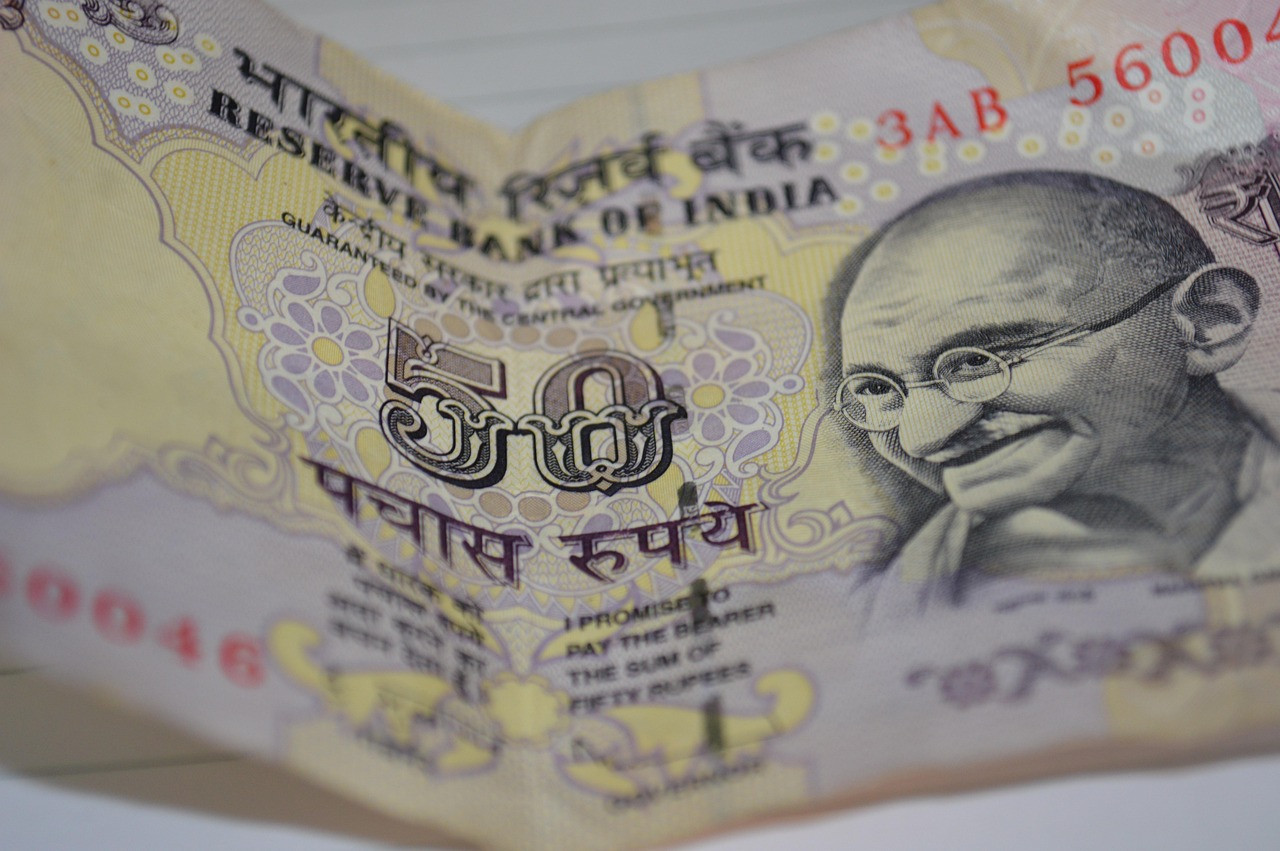
Representative image: PDPics / Pixabay
On October 29, 2026 the Supreme Court asked the RBI to make banks compensate digital arrest victims, at least for the amount lost, where bank negligence is proved.
What Happened
The Supreme Court of India has asked the Reserve Bank of India (RBI) to make banks compensate victims of "digital arrest" scams and other cyber frauds when weak safeguards at a bank helped the fraud succeed. At a hearing on Thursday, October 29, 2026, in a case it took up on its own, a bench headed by Chief Justice Surya Kant said the RBI's proposed rules on cyber fraud should make banks and other financial institutions liable for a customer's loss, with compensation of at least the amount lost, where investigations show negligence or poor due diligence on the institution's part.
Key Facts
- Hearing date: Thursday, October 29, 2026, in the Supreme Court's suo motu (self-initiated) case on digital arrest scams.
- The bench said the RBI's upcoming cyber-fraud rules should hold banks financially responsible when inadequate safeguards contributed to a customer's loss.
- Suggested compensation: no less than the amount the victim lost, where institutional negligence or lack of due diligence is established.
- The court asked the RBI to submit a list of all authorised financial institutions before the next hearing.
- At the government's suggestion, the RBI is also to report what action banks have taken against employees found to be involved in digital arrest cases.
- Attorney General R. Venkataramani argued that this was a matter for the RBI to regulate, said bank staff had helped stop frauds and told the court complaints had fallen by about 50%; the court noted losses had still reached about Rs 800 crore so far this year.
Why It Matters
A "digital arrest" is a scam, not a legal process. Fraudsters call or video-call a person while pretending to be police, CBI, customs or other officers, claim the person is linked to a crime such as money laundering or a suspicious parcel, and then keep the victim on camera for hours or days, cut off from family, until they transfer money to "verify" or "settle" the case. Indian law has no such thing as an arrest over a video call, and government agencies have repeatedly said so. Yet the scam has cost people, many of them older citizens and professionals, large sums.
Today, when such money leaves a victim's account, getting it back is slow and uncertain. The money usually passes quickly through "mule" accounts, bank accounts opened or rented in other people's names, before it is withdrawn or moved abroad. The court's suggestion shifts part of the burden onto the financial system: if a bank failed to spot obviously unusual transfers, or allowed mule accounts to be opened without proper checks, it would have to make good the loss rather than leave it with the customer.
For technology and fintech companies, this matters as much as for banks. Payment apps, digital lenders and new-age banks would face strong pressure to invest in fraud-detection tools, such as systems that flag large or unusual transfers in real time, delay suspicious payments, or check whether an account receiving money has been reported for fraud. Start-ups that build these tools could see more demand, while smaller firms may find compliance costs rising.
The Attorney General's position shows the debate ahead. The government prefers the RBI to write the rules, arguing that court-imposed penalties may not work in practice. The court, for its part, has signalled that whatever rules come must include real liability. The final shape will depend on the RBI's regulations and on further hearings; the court has not yet issued a final order.
| Point | Position at the October 29 hearing |
|---|---|
| Supreme Court | RBI rules should make banks liable; compensation at least equal to the loss where negligence is proven |
| Attorney General | Matter for RBI regulation; complaints down about 50% |
| Losses this year | About Rs 800 crore, as noted in court |
| Next step | RBI to list authorised institutions and report action against bank staff |
Impact
Short-term: Banks and payment companies are likely to tighten checks on new accounts and on large, sudden transfers, which may mean more verification calls and occasional delays for genuine customers.
Long-term: If the RBI's rules include the liability the court wants, India would move closer to a system where the institution, not only the customer, carries the cost of preventable fraud. That could change how banks and fintech firms design their apps and onboarding.
Who is affected: Bank and UPI users, especially older people who are frequent targets; banks, payment apps and fintech start-ups; companies that make fraud-detection software; the RBI and police cyber cells.
Key Takeaway
The Supreme Court wants the RBI's new cyber-fraud rules to make banks compensate digital arrest victims, at least to the extent of their loss, whenever bank negligence or poor due diligence is proved.
Questions and Answers
What did the Supreme Court say about digital arrest scams on October 29, 2026?
It said the RBI's proposed cyber-fraud rules should make banks and financial institutions liable to compensate victims, at least for the amount lost, where an investigation shows that the institution's negligence or lack of due diligence contributed to the fraud.
Is a "digital arrest" real?
No. It is a scam in which fraudsters pose as officials on a video call and pressure victims to transfer money. No Indian agency arrests anyone over a video call. Victims should hang up and report it on the 1930 cyber-crime helpline or at cybercrime.gov.in.
Will banks now refund every digital arrest victim?
Not yet. The court has asked the RBI to build liability into its rules, and compensation would apply where bank negligence is established. No final order or rule has been issued.
What did the government say?
Attorney General R. Venkataramani told the court the issue should be handled by RBI regulation, that bank staff had helped prevent frauds and that complaints had fallen by about 50%.
Disclaimer: Prepared by the Peepals newsroom from publicly available sources with AI assistance. Information is accurate to the best of our knowledge at the time of publication and may change. Images may be representative. Not professional advice. Report an error via our contact page.
By Karan Bansal, Tech Startups CorrespondentCovers Tech Start-ups & Stories and more for Peepals Tech. All stories by Karan Bansal
Get the day's stories in your inbox
Peepals Weekly: the week decoded, free. One email a week, unsubscribe in one click.
Karan Bansal is a pen name of the Peepals Global Editorial Team, which researches, fact-checks and publishes every story. The portrait is an illustration.