
Cyberattack on WS Audiology knocks Widex, Signia hearing aid apps offline
 By Karan BansalTech Startups Correspondent, Peepals Tech
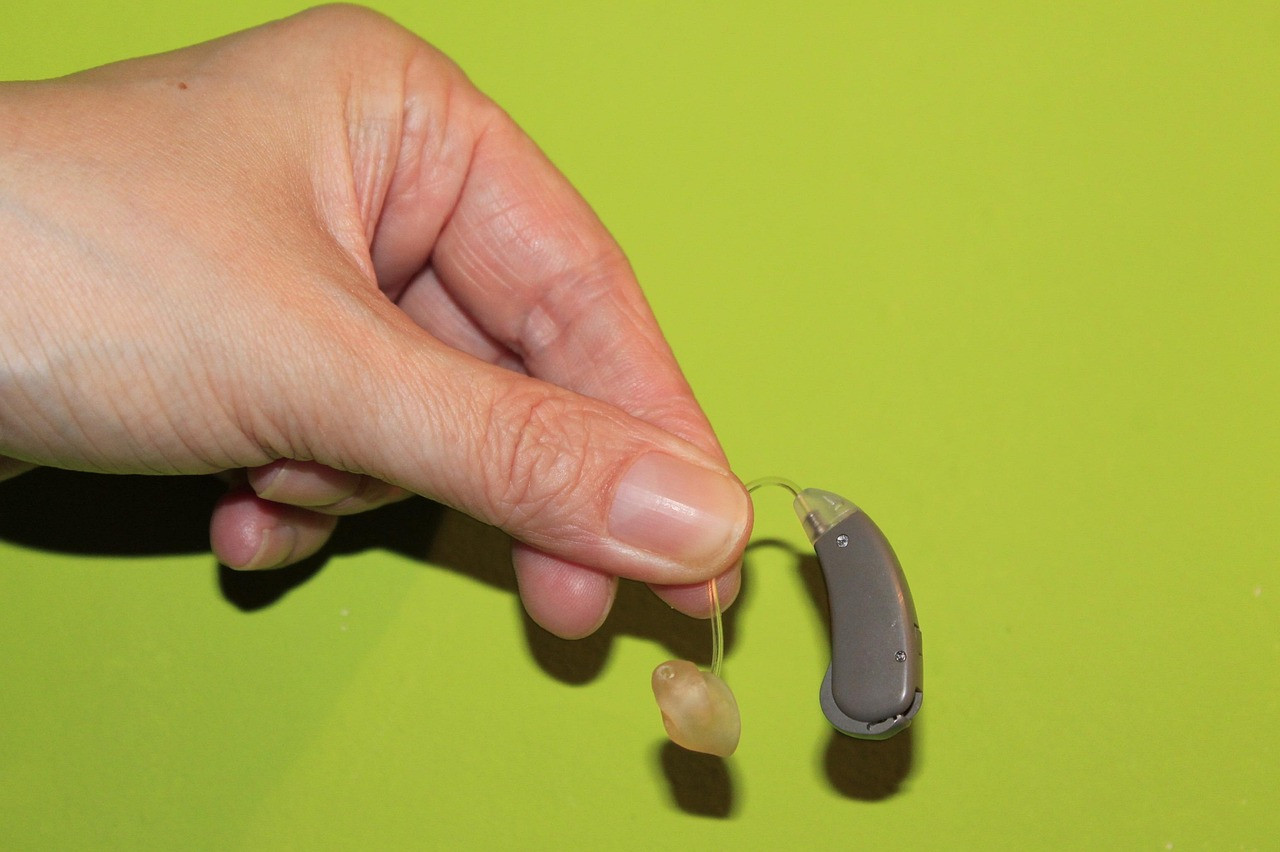
Representative image: kalhh / Pixabay
Hearing aid maker WS Audiology took some systems offline after a cyberattack, disrupting Widex and Signia apps, reports up to 2 November 2026 show; it says the hearing aids are unaffected.
What Happened
WS Audiology (WSA), the hearing aid maker behind the Widex and Signia brands, is investigating a cyberattack in which an outsider gained unauthorised access to parts of its IT systems, according to the company's statement and reports published up to Monday, 2 November 2026. To contain the attack, WSA took some internal and customer-facing systems offline, which interrupted the smartphone apps that many hearing aid users rely on to adjust their devices. The company says the hearing aids themselves are not affected.
Key Facts
- WSA detected unauthorised access to parts of its IT infrastructure and is investigating.
- Selected internal and customer-facing systems were taken offline as a precaution.
- The Widex MOMENT app, used by wearers to control their hearing aids, was the most affected; WSA said it expected the app to return over the weekend.
- Widex Compass Cloud, used by hearing care professionals, has been restored, according to reports.
- Signia TeleCare, a remote-care service, was also taken offline, with restoration expected early in the following week.
- WSA says Widex and Signia hearing aids continue to work normally.
- The company has not said whether any personal data was taken, and the attack has not been confirmed as ransomware.
Why It Matters
Modern hearing aids are small computers. Many users adjust volume, switch listening programmes or get remote help from their audiologist through an app on their phone. When that app stops working, the hearing aid still functions on its last settings, but users lose the control they depend on in different environments, such as a noisy restaurant or a quiet meeting. For older users in particular, that can be a real disruption to daily life.
The incident is also a reminder that health devices and the cloud services behind them are now targets for cyber criminals. A company does not need to be a hospital to hold sensitive health information: hearing test results and device data can be personal and valuable. Companies often take systems offline quickly after detecting an intrusion, to stop attackers moving further through the network, even though this causes short-term disruption for customers.
WSA has said the threat did not come from its cloud-based software. It has not yet published findings on how the attackers got in or what they accessed. Until it does, customers should watch for official updates rather than rely on rumours.
For users in India and elsewhere, the practical steps are the same as elsewhere: keep using the hearing aids, use the physical buttons or a phone's built-in hearing-device settings where available, and be cautious of any message or call that claims to be from the company and asks for passwords, payment or personal details. Scammers often take advantage of news of a breach.
| Service | Status reported |
|---|---|
| Widex and Signia hearing aids | Working normally |
| Widex MOMENT app | Offline; expected back over the weekend |
| Widex Compass Cloud (professionals) | Restored |
| Signia TeleCare | Offline; restoration expected early next week |
Impact
Short-term: Hearing aid wearers who rely on the apps may not be able to change settings or get remote adjustments until services return. Audiologists may see more in-person requests.
Long-term: The incident will add pressure on makers of connected health devices to strengthen security and to design products that keep working smoothly when cloud services fail.
Who is affected: Users of Widex and Signia hearing aids worldwide; hearing care professionals who use WSA's systems; and WSA, which faces costs and possible regulatory scrutiny depending on what its investigation finds.
Key Takeaway
A cyberattack forced WS Audiology to pull some Widex and Signia apps offline, leaving hearing aids working but users without app controls, and the company has yet to say whether any data was taken.
Questions and Answers
What happened at WS Audiology?
The hearing aid maker detected unauthorised access to parts of its IT systems and took some internal and customer-facing systems offline to contain the attack, according to its statement and reports up to 2 November 2026.
Are Widex and Signia hearing aids still working?
Yes. WSA says the hearing aids are not affected. Some apps and remote-care services, including the Widex MOMENT app and Signia TeleCare, were taken offline.
Was personal data stolen in the WS Audiology attack?
The company has not said. It has not confirmed data theft or that the attack was ransomware, and its investigation is continuing.
What should hearing aid users do?
Keep using the devices, use physical controls or phone hearing settings where available, follow official company updates, and ignore unexpected messages asking for passwords or payments.
Disclaimer: Prepared by the Peepals newsroom from publicly available sources with AI assistance. Information is accurate to the best of our knowledge at the time of publication and may change. Images may be representative. Not professional advice. Report an error via our contact page.
By Karan Bansal, Tech Startups CorrespondentCovers Tech Start-ups & Stories and more for Peepals Tech. All stories by Karan Bansal
Parents sue OpenAI, alleging ChatGPT helped daughter stop epilepsy drug before death
Blind survey: 1 in 3 Indian tech workers got no hike or a pay cut
Get the day's stories in your inbox
Peepals Weekly: the week decoded, free. One email a week, unsubscribe in one click.
Karan Bansal is a pen name of the Peepals Global Editorial Team, which researches, fact-checks and publishes every story. The portrait is an illustration.