
UK facial recognition law: Home Office plans watchdog for police cameras
 By Rohan SalujaGeopolitics Editor, Peepals Global
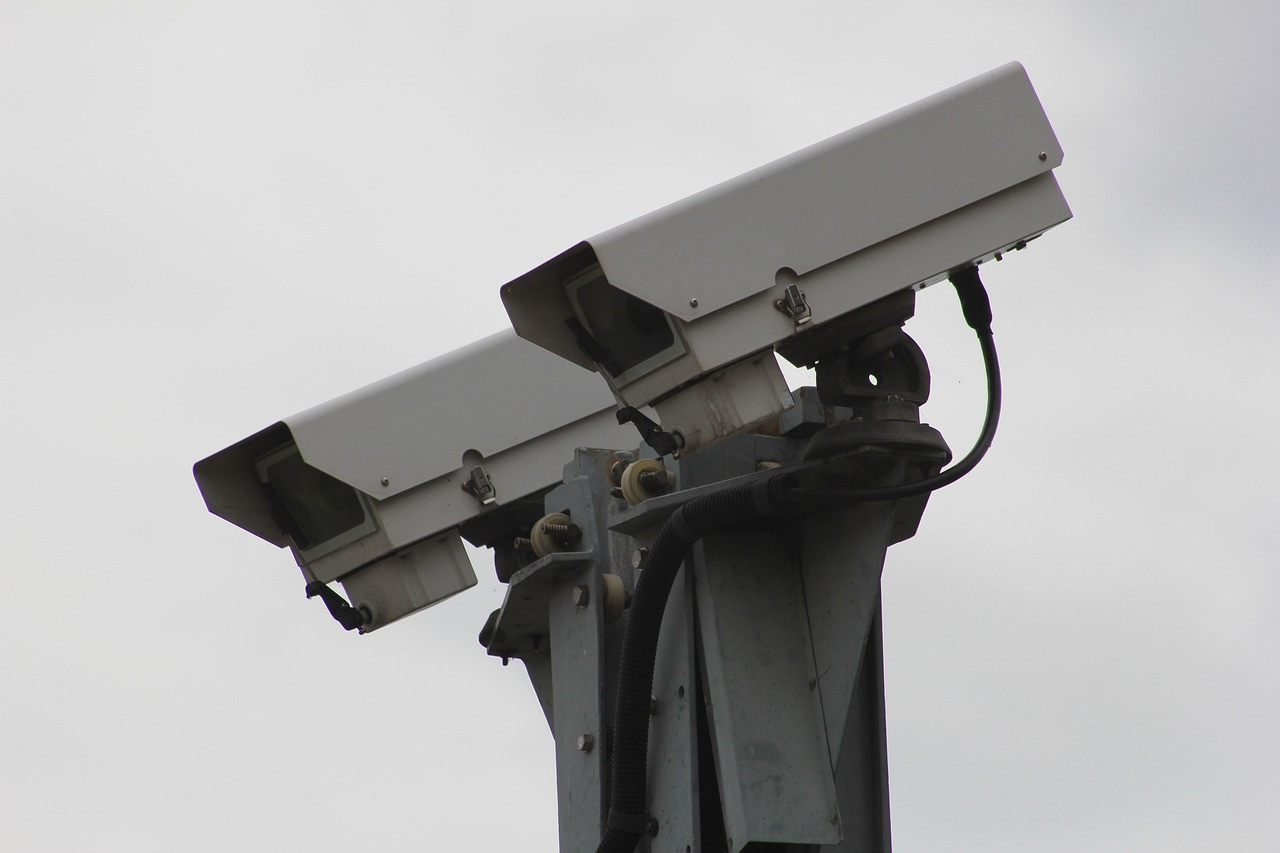
Representative image: chrisjmit / Pixabay
The UK Home Office said on 4 November 2026 it will legislate for police facial recognition and set up an independent watchdog with enforcement powers.
What Happened
The United Kingdom's Home Office said on Wednesday, 4 November 2026, that it will bring in a new law to govern how police use facial recognition technology, and will create an independent regulator with powers to enforce the rules. Under the plans, police use of live facial recognition would have to be intelligence-led and proportionate, meaning cameras could be deployed only where officers believe wanted people are likely to be. The announcement is the government's response to a public consultation launched in December 2025. The measures are plans, not yet law: they need legislation to be passed by Parliament, and no timetable was given.
Key Facts
- Who: the UK Home Office, which runs policing policy for England and Wales.
- When: plans published on Wednesday, 4 November 2026, in response to a consultation launched in December 2025.
- What: a statutory framework, or law, for police use of facial recognition and other biometric technology, also covering some other public bodies.
- Oversight: a new independent watchdog with enforcement powers; one report says it would be able to pause deployments.
- The rule for live cameras: use must be intelligence-led and proportionate.
- Testing: the Home Office says an independently tested retrospective facial recognition algorithm showed high accuracy and no bias, and police forces can roll it out from next year.
- Context: the government has put £11 million into tripling the number of live facial recognition vans in England and Wales, and says static cameras piloted in Croydon led to 173 arrests.
Why It Matters
Facial recognition compares the faces of people captured on camera with a "watchlist" of wanted or missing people. Live facial recognition does this in real time as people walk past a camera; retrospective facial recognition searches recorded footage or images after an event. Supporters say it helps police find dangerous suspects quickly. Critics, including civil liberties groups, argue it treats everyone who passes a camera as a suspect, can make mistakes, and may be less accurate for some groups of people, a concern behind one force's pause this year.
Until now, police in England and Wales have used the technology under a patchwork of general laws, guidance and court rulings rather than a single law written for it. That has led to legal challenges and to forces taking different approaches. Essex Police paused its use of live facial recognition over concerns about bias and accuracy, while London's Metropolitan Police won a judicial review challenge to its policy. A specific law with an independent regulator is meant to give the police clear rules and give the public a body to hold them to account.
The plans come as the government expands the technology rather than limits it. The £11 million investment to triple the number of live facial recognition vans shows that ministers see it as a core policing tool. The new law is designed to make that expansion lawful and accountable, not to stop it. How strong the watchdog will be, and whether it will truly be able to halt deployments, will depend on the details of the bill.
Britain's attempt to write specific rules and create a regulator will be watched by lawmakers in other democracies, India among them, that are working through the same trade-off between security and privacy as police adopt the technology.
Peepals timeline: In December 2025, the UK government opened a consultation on how police should use facial recognition. During 2026, Essex Police paused live facial recognition over bias concerns, and the Metropolitan Police won a judicial review over its policy. The government funded a tripling of live facial recognition vans with £11 million. On 4 November 2026, the Home Office published its response, promising a law and an independent watchdog.
Impact
Short-term: Police forces continue using facial recognition under current rules until a bill is passed. Forces can begin using the tested retrospective algorithm from next year, the Home Office says.
Long-term: If passed, the law would set one national standard for when police may use live cameras, with an independent regulator able to enforce it. That could reduce legal challenges, but it will also make the technology a permanent part of British policing.
Who is affected: People in England and Wales who pass police cameras, police forces, civil liberties groups, technology suppliers, and other public bodies that use biometric systems.
What to watch next: The bill that would put the framework into law, which had no published timetable, and the details of the watchdog's powers.
Key Takeaway
The UK plans a specific law and an independent watchdog for police facial recognition, requiring intelligence-led, proportionate use, while expanding the technology across England and Wales.
Questions and Answers
What did the UK announce on facial recognition?
On 4 November 2026, the Home Office said it will bring in a law governing police use of facial recognition and other biometric technology, with an independent watchdog that has enforcement powers. Live use must be intelligence-led and proportionate.
Is the UK facial recognition law in force?
No. The measures are plans and need legislation to pass Parliament. The announcement did not give a timetable.
What is the difference between live and retrospective facial recognition?
Live facial recognition checks faces against a watchlist in real time as people pass a camera. Retrospective facial recognition searches recorded images or footage after an event.
Is the UK reducing police use of facial recognition?
No. The government has funded a tripling of live facial recognition vans with £11 million. The new law is meant to set rules and oversight for that wider use.
Disclaimer: Prepared by the Peepals newsroom from publicly available sources with AI assistance. Information is accurate to the best of our knowledge at the time of publication and may change. Images may be representative. Not professional advice. Report an error via our contact page.
By Rohan Saluja, Geopolitics EditorCovers Geopolitics and more for Peepals Global. All stories by Rohan Saluja
I Play Rocky opens November 6 with 88% Rotten Tomatoes score
VÆRIDION raises €30 million, wins €94.5 million EU grant for electric Microliner
Get the day's stories in your inbox
Peepals Weekly: the week decoded, free. One email a week, unsubscribe in one click.
Rohan Saluja is a pen name of the Peepals Global Editorial Team, which researches, fact-checks and publishes every story. The portrait is an illustration.