
Active teens report fewer insomnia symptoms months later, Sleep Health study finds
 By Aarav DeshpandeSports Correspondent, Peepals Yuva
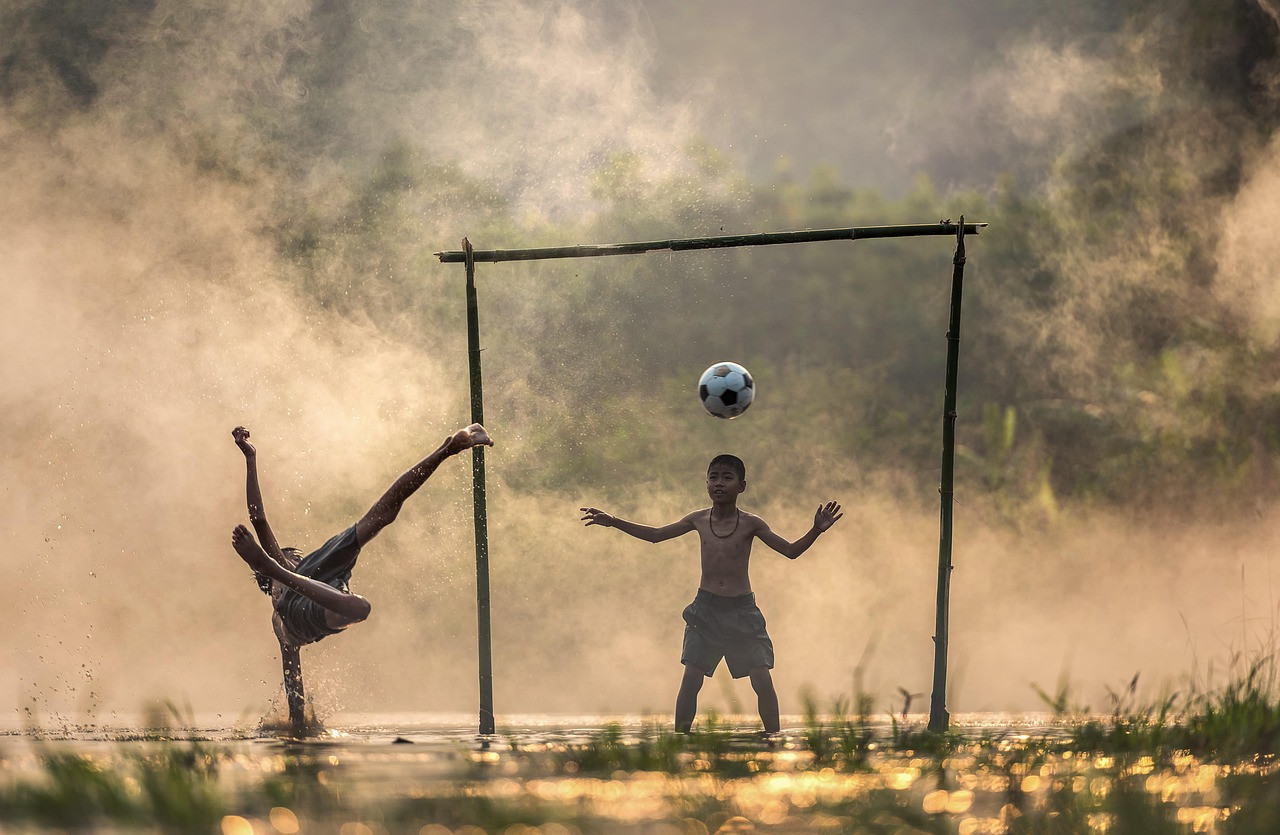
Representative image: sasint / Pixabay
A study of 1,988 Chinese middle-school students in the October 2026 issue of Sleep Health found more physically active teens reported fewer insomnia symptoms six months later.
What Happened
Teenagers who were more physically active reported fewer symptoms of insomnia six months later, according to a study of 1,988 middle-school students published in the October 2026 issue of the journal Sleep Health. The researchers followed students from five middle schools in Hubei province, China, with an average age of about 14, and surveyed them three times at intervals of about six months. Greater activity was followed by fewer sleep problems, while poor sleep did not predict a later drop in activity once differences between individual students were taken into account. The authors described the effect as modest.
Key Facts
- Participants: 1,988 students from five middle schools in Hubei, China; average age 13.79 years; 54.5% boys.
- Design: three rounds of surveys, about six months apart, which lets researchers see which change tends to come first.
- Main finding: more physical activity was followed by fewer insomnia symptoms at the next survey.
- The reverse link did not hold: poor sleep did not predict less activity later, once individual differences were accounted for.
- Possible pathway: less use of unhelpful thinking habits, such as rumination (going over negative feelings again and again) and catastrophising (assuming the worst), may partly explain the link, according to the paper's abstract.
- The authors called this pathway small but significant and said the overall effect should be interpreted with caution.
- Published in Sleep Health, the journal of the US National Sleep Foundation, volume 12, issue 5 (October 2026).
Why It Matters
Poor sleep is common among teenagers and is linked to weaker concentration, low mood and poorer school performance. Much of the advice given to young people about sleep focuses on what to avoid, such as screens late at night or caffeine. This study looks at something young people can add: regular physical activity.
Its design is what makes it useful. Many studies that link exercise and sleep take a single snapshot, which cannot show which comes first: active people may sleep better, or good sleepers may simply have more energy to be active. By following the same students three times over about a year, this study was able to test both directions. It found that activity tended to come before better sleep, not the other way round.
The suggested mechanism is also relevant to students. Rumination and catastrophising are thinking patterns that often keep people awake, replaying a bad day or worrying about exams. The study's results suggest that being active may reduce these habits a little, which in turn may make it easier to fall and stay asleep. The authors, however, stress that this pathway was small.
There are limits. The students were from one region of China, so the findings may not apply equally everywhere. Activity and sleep were reported by the students themselves, not measured with devices, and the study shows an association over time rather than proving cause and effect. Other research points in a similar direction, including studies in the United States that used activity trackers.
| Item | Detail |
|---|---|
| Students | 1,988, five middle schools, Hubei, China |
| Average age | 13.79 years |
| Surveys | three, about six months apart |
| Main result | more activity followed by fewer insomnia symptoms |
| Strength of effect | modest, according to the authors |
Impact
Short-term: For students and parents, the study adds evidence for keeping sport, play or regular exercise in a teenager's week, including during exam seasons when activity is often the first thing dropped.
Long-term: If confirmed in other countries and with measured sleep data, findings like these could support schools in protecting physical education time as part of student wellbeing, not only fitness.
Who is affected: Teenagers who struggle to sleep, their parents and teachers, school leaders deciding how much time to give to sport, and counsellors who advise students on stress and sleep.
Key Takeaway
In a study of 1,988 young teenagers, being more physically active was followed by fewer insomnia symptoms six months later, a modest effect that the authors say should be read with caution.
Questions and Answers
Does exercise help teenagers sleep better?
A study of 1,988 Chinese middle-school students, published in Sleep Health in October 2026, found that more active teens reported fewer insomnia symptoms six months later. The effect was modest, and the study shows an association rather than proof of cause.
Does poor sleep make teenagers less active?
Not in this study. Once differences between individual students were accounted for, poor sleep did not predict a later fall in physical activity.
Why might physical activity reduce insomnia?
The researchers found that activity was linked to less rumination and catastrophising, thinking habits that can keep people awake, and this may partly explain the link. They described this pathway as small.
Who took part in the study?
1,988 students from five middle schools in Hubei, China, with an average age of 13.79 years, surveyed three times about six months apart.
Disclaimer: Prepared by the Peepals newsroom from publicly available sources with AI assistance. Information is accurate to the best of our knowledge at the time of publication and may change. Images may be representative. Not professional advice. Report an error via our contact page.
By Aarav Deshpande, Sports CorrespondentCovers Sports and more for Peepals Yuva. All stories by Aarav Deshpande
Romance Scam Prevention Act: US dating apps must flag banned fraudsters
Sony LIV subscription now inside Prime Video India at Rs 399 a month
Aarav Deshpande is a pen name of the Peepals Global Editorial Team, which researches, fact-checks and publishes every story. The portrait is an illustration.