
Short self-compassion meditation lifts young adults' body image, La Trobe trial finds
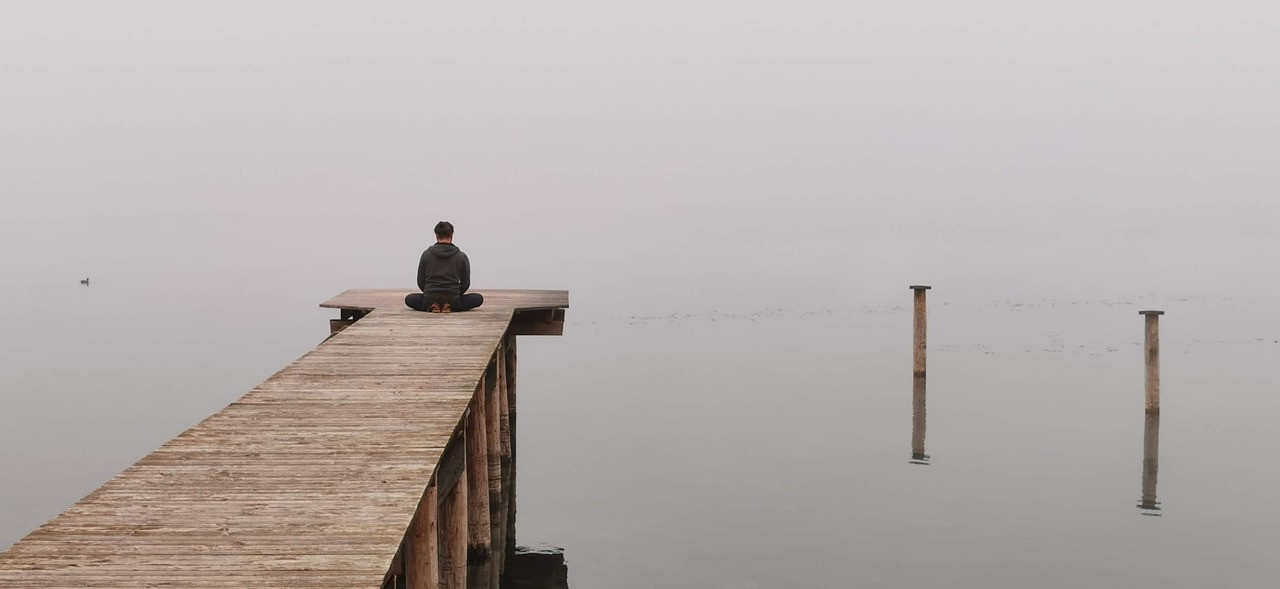
Representative image: Patrizia08 / Pixabay
A La Trobe University trial of 227 adults aged 18-39, published in October 2026, found three short self-compassion meditations improved body image.
What Happened
A short course of guided self-compassion meditation helped young adults feel better about their bodies, and the benefit was still there six weeks later, according to a randomised controlled trial by researchers at La Trobe University in Australia. The study, published in October 2026 in the journal Mindfulness, involved 227 adults aged 18 to 39. Those who listened to three 20-minute guided meditation recordings over three weeks reported more body appreciation and less body dissatisfaction than a comparison group who had not yet received the programme.
Key Facts
- The trial enrolled 227 adults aged 18 to 39 living in Australia; the average age was about 31.
- Participants were randomly split into two groups: 114 received the meditation programme and 113 were placed on a waitlist as a comparison group.
- The programme consisted of three 20-minute guided self-compassion meditation podcasts, used over three weeks.
- The meditation group showed bigger gains in body appreciation, self-compassion and positive wellbeing, and larger falls in body dissatisfaction, than the waitlist group.
- The improvements were still present at a follow-up six weeks later.
- Further analysis linked greater self-kindness and mindfulness to better body appreciation, and less self-judgment to lower body dissatisfaction.
- Most participants were women, and the authors say more research is needed in more diverse groups and over longer periods.
Why It Matters
Unhappiness with one's own body is common among young people, and it is not just a passing mood. Body dissatisfaction has long been studied as a factor in low self-esteem, poor mental health and unhealthy eating or exercise habits. Most of the tools offered to help, such as therapy or structured programmes, take time, money and access to a professional. That is what makes this trial interesting: the intervention was short, free to deliver at scale and could be done at home with a phone and headphones.
Self-compassion, the idea at the centre of the programme, means treating yourself with the kindness you would show a friend who is struggling, rather than with harsh criticism. The meditations encouraged participants to notice self-critical thoughts without judging themselves for having them. The trial's findings suggest that this shift, from self-judgment to self-kindness, was linked to how people felt about their bodies.
For young readers, the practical point is modest but useful. The study tested a specific, structured set of recordings, not meditation in general, and it measured how people felt about their bodies, not their physical health. It does not show that meditation replaces professional help for anyone with an eating disorder or serious distress. But it adds evidence that small, regular practices aimed at being kinder to oneself can make a measurable difference to body image.
There are limits. The comparison group received nothing during the trial, so some of the difference may reflect simply taking part in a programme. Most participants were women, all were in Australia, and the follow-up lasted six weeks. The researchers themselves call for studies in more varied populations and over longer periods, and for research on how often people need to practise.
| Trial at a glance | Detail |
|---|---|
| Participants | 227 adults aged 18-39 in Australia |
| Groups | 114 meditation, 113 waitlist |
| Programme | Three 20-minute guided podcasts over three weeks |
| Main result | More body appreciation, less body dissatisfaction |
| Follow-up | Benefits held at six weeks |
Impact
Short-term: The findings support the use of brief, low-cost self-compassion recordings as one option for young adults who want to feel better about their bodies, alongside other forms of support.
Long-term: If larger and more diverse studies confirm the results, short digital programmes like this could be offered through colleges, workplaces or health services as an early, accessible step for body image concerns.
Who is affected: Young adults, especially young women, who struggle with body image; college counsellors and mental health workers; and developers of digital wellbeing programmes.
Key Takeaway
In a La Trobe University trial of 227 young adults, three 20-minute self-compassion meditations over three weeks improved body appreciation and reduced body dissatisfaction, with benefits lasting at least six weeks.
Questions and Answers
Can a short meditation improve body confidence?
In a randomised trial of 227 adults aged 18 to 39, published in Mindfulness in October 2026, people who used three 20-minute self-compassion meditation recordings over three weeks reported more body appreciation and less body dissatisfaction than a waitlist group, and the gains lasted six weeks.
What is self-compassion meditation?
It is a guided practice that encourages people to respond to their own difficulties and flaws with kindness rather than harsh self-criticism, and to notice critical thoughts without judging themselves for them.
Who took part in the study?
The trial involved 227 adults living in Australia, with an average age of about 31. Most were women. They were randomly assigned to the meditation programme (114 people) or a waitlist (113 people).
Is this a treatment for eating disorders?
No. The study measured how people felt about their bodies in a general group of young adults. It does not test meditation as a treatment for eating disorders, and anyone with serious distress should seek professional help.
Disclaimer: Prepared by the Peepals newsroom from publicly available sources with AI assistance. Information is accurate to the best of our knowledge at the time of publication and may change. Images may be representative. Not professional advice. Report an error via our contact page.
Sourced and fact-checked by the Peepals Global Editorial Team
Reported, fact-checked and published by the Peepals Global Editorial Team.