
Preschool social-skills lessons linked to less loneliness at 21, Penn State finds
 By Rhea MalhotraDigital Life Writer, Peepals Yuva
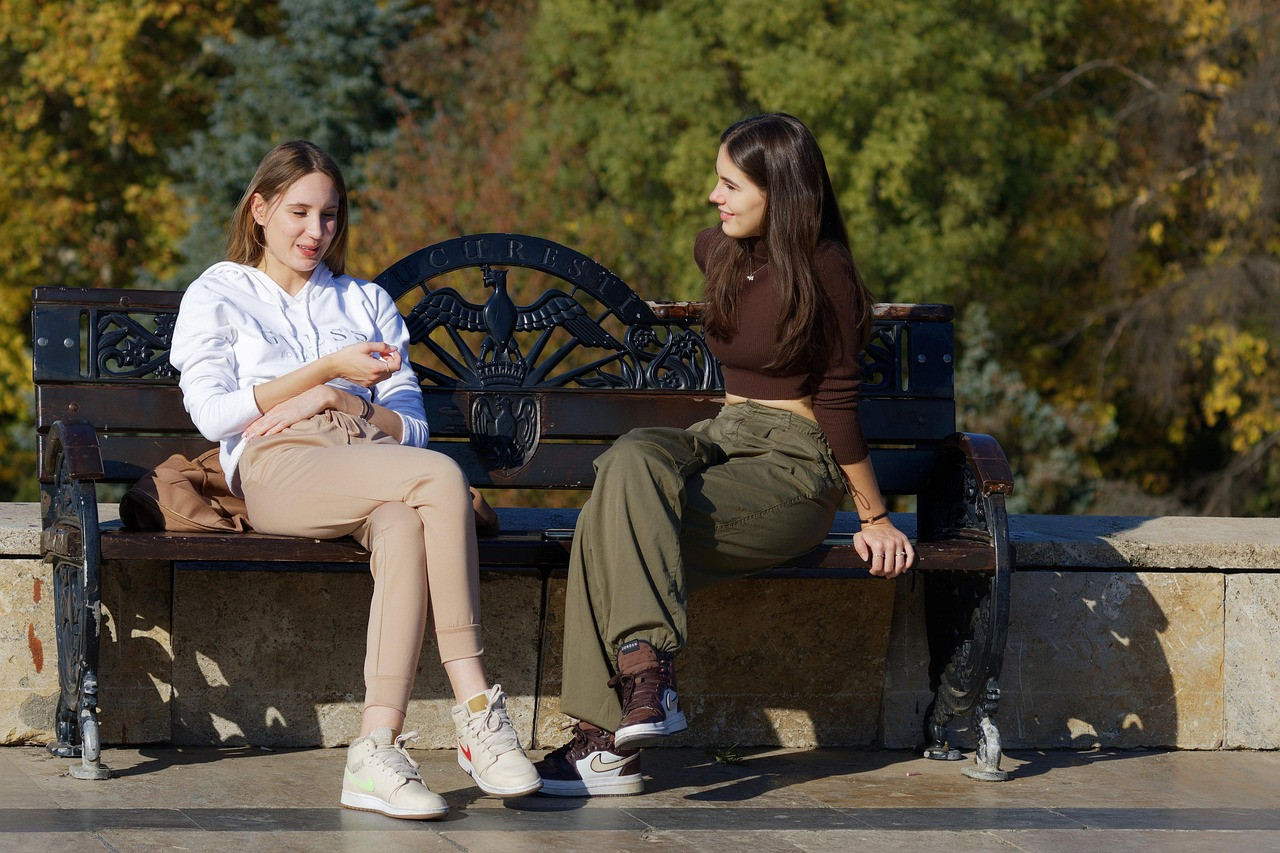
Representative image: Surprising_Media / Pixabay
Young adults taught social skills in preschool reported less loneliness and depression at 21-22, a Penn State study announced October 20, 2026 found.
What Happened
Young adults who were taught social and emotional skills in preschool reported less loneliness, fewer symptoms of depression, more empathy and greater life satisfaction at age 21 to 22 than peers who were not, according to a long-running study led by researchers at Penn State University in the United States. The findings, published in the journal American Psychologist and announced on October 20, 2026, come from a randomised trial of a preschool programme called REDI that began nearly two decades ago in Head Start classrooms for children from low-income families.
Key Facts
- The study followed 356 children who were about four and a half years old when it began, all attending Head Start preschools for low-income families.
- Researchers randomly assigned 44 classrooms in three Pennsylvania counties either to add the REDI programme or to continue their usual Head Start lessons.
- REDI (Research-based, Developmentally Informed) teaches friendship skills, social problem-solving and language skills.
- Teachers were trained both to deliver the lessons and to help children apply the skills to real conflicts during the school day.
- At ages 21 to 22, former REDI pupils reported fewer depressive symptoms, less loneliness, more empathy and higher life satisfaction.
- Coverage of the study says the REDI group did better in seven of the 11 areas examined, including almost two more healthy days a month on average.
- The researchers also found that greater childhood adversity predicted poorer adult wellbeing whether or not children received the programme.
Why It Matters
Loneliness among young people has become a major concern for health researchers. Many young adults, including students living away from home for the first time and first-jobbers in new cities, report feeling isolated even when they are constantly connected online. Most efforts to tackle this focus on the present: counselling, campus support or social events. This study points to something earlier. It suggests that skills learned at four or five, such as how to make friends, how to calm down and how to solve a disagreement, can still be linked to how connected and satisfied people feel as young adults.
What makes the finding stronger than many studies of childhood is its design. Because classrooms were assigned to the programme at random, the researchers could compare similar groups of children, which makes it more likely that the differences came from the programme rather than from family background. Following the same children for nearly 20 years is also rare.
For young readers, the practical message is not about preschool but about skills. Friendship, empathy and handling conflict are learnable, not fixed traits. The study's own finding that childhood adversity still weighed on adult wellbeing is a reminder that skills are not a cure-all: difficult circumstances leave a mark, and support in adulthood still matters.
There are limits. The study involved children from low-income families in one US state, and its results may not apply in the same way elsewhere, including in India, where preschool and family structures differ. The outcomes at age 21 to 22 are largely based on what participants reported about themselves.
| Measure at age 21-22 | REDI group compared with others |
|---|---|
| Depressive symptoms | Fewer |
| Loneliness | Less |
| Empathy | More |
| Life satisfaction | Higher |
| Healthy days per month | Almost two more on average |
Impact
Short-term: The findings add evidence for investing in social and emotional learning in early childhood, and may be cited by schools and policymakers weighing such programmes.
Long-term: If similar results hold elsewhere, early lessons in friendship and problem-solving could become part of wider efforts to reduce loneliness and improve mental health among young adults.
Who is affected: Young adults dealing with loneliness and stress; parents and preschool teachers; schools and education planners; and researchers studying youth mental health.
Key Takeaway
A Penn State study that followed preschoolers for nearly 20 years found that those taught social and emotional skills reported less loneliness and depression and more life satisfaction at age 21 to 22.
Questions and Answers
What did the Penn State REDI study find?
Young adults who received the REDI social and emotional skills programme in preschool reported fewer depressive symptoms, less loneliness, more empathy and higher life satisfaction at ages 21 to 22 than those who did not, according to findings published in American Psychologist and announced on October 20, 2026.
What is the REDI programme?
REDI is a preschool programme added to Head Start classrooms that teaches friendship, social problem-solving and language skills. Teachers are trained to deliver lessons and to help children use the skills in real conflicts during the day.
How was the study designed?
Researchers randomly assigned 44 Head Start classrooms in three Pennsylvania counties to use REDI or continue usual lessons, then followed 356 children from about age four and a half into their early twenties.
Does this mean childhood difficulties stop mattering?
No. The researchers found that greater childhood adversity predicted poorer adult wellbeing whether or not children took part in REDI, so the programme helped but did not erase the effects of hardship.
Disclaimer: Prepared by the Peepals newsroom from publicly available sources with AI assistance. Information is accurate to the best of our knowledge at the time of publication and may change. Images may be representative. Not professional advice. Report an error via our contact page.
By Rhea Malhotra, Digital Life WriterCovers Digital Life and more for Peepals Yuva. All stories by Rhea Malhotra
IIT Madras launches UDYOG biotech finishing school; first batch January 18
SCL Mohali recruitment 2026: 83 technician, technical assistant posts open November 1
Rhea Malhotra is a pen name of the Peepals Global Editorial Team, which researches, fact-checks and publishes every story. The portrait is an illustration.