
Australia visa biometrics: Indian applicants, students included, may need fingerprints
 By Kabir SethiEducation Correspondent, Peepals Yuva
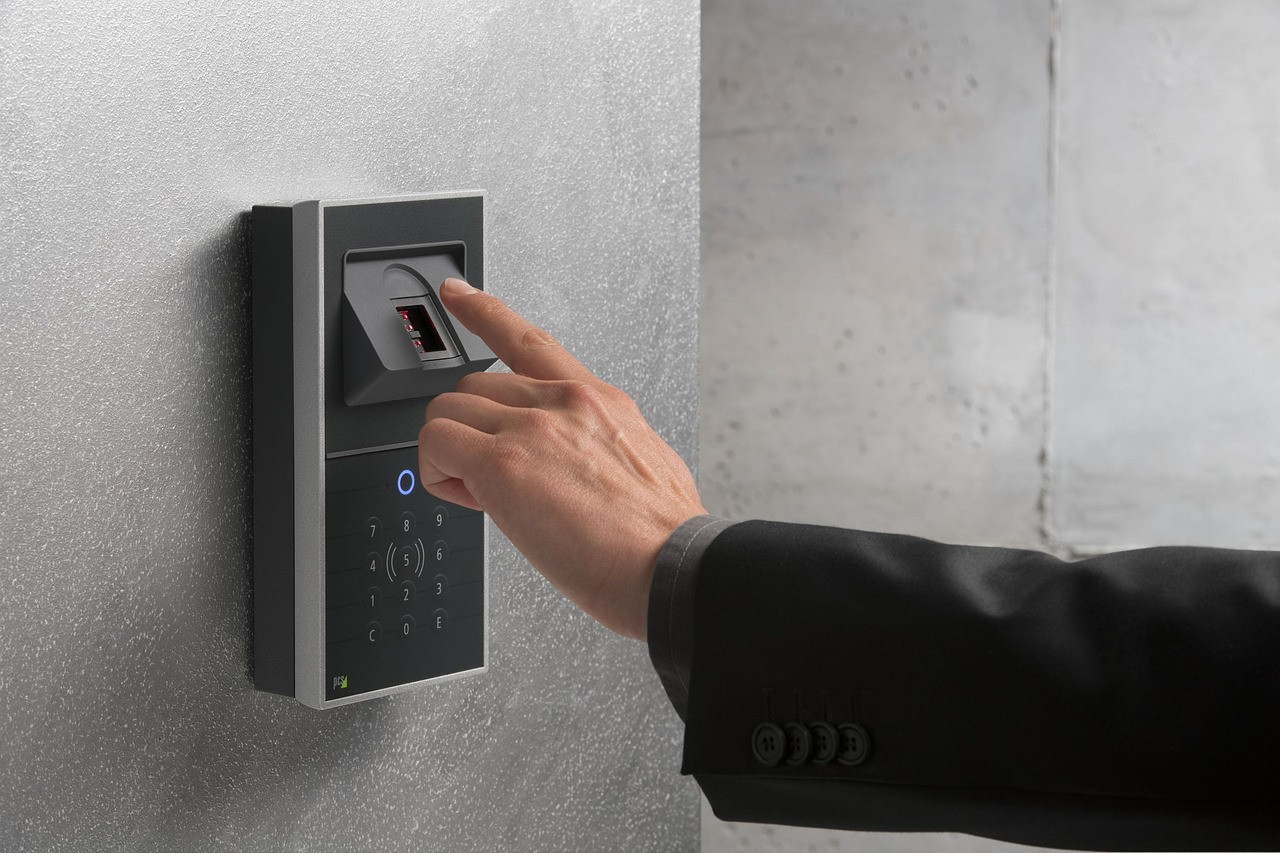
Representative image: u_h0yvbj97 / Pixabay
From October 26, 2026, Australia asks certain visa applicants in India, including students, for face and fingerprint biometrics at 16 VFS-run centres.
What Happened
Australia has started asking certain visa applicants in India to give biometrics, a digital photograph of the face and scans of all ten fingertips, for new applications lodged on or after October 26, 2026. The change, announced by the Australian government, covers people applying from India, including students planning to study there, and does not affect visas already granted or applications lodged before that date. The Department of Home Affairs will tell each applicant whether biometrics are needed, usually by email to the applicant or their authorised agent, and how to provide them, either at one of 16 Australian Biometrics Collection Centres in India run by VFS Global or, for some applicants, through the Australian Immi App.
Key Facts
- Start date: applications lodged on or after October 26, 2026.
- What is collected: a digital image of the face and a scan of all ten fingertips.
- Who: certain new visa applicants in India, as notified by the Department of Home Affairs; applicants should not assume they are exempt until they hear from the department.
- Not affected: visas already granted, and applications lodged before October 26.
- Where: 16 Australian Biometrics Collection Centres across India, managed by VFS Global under contract with the department; some applicants may be allowed to use the Australian Immi App instead.
- Fees: VFS Global charges a service fee for collecting biometrics, separate from the visa charge.
- Processing time: the Australian government said the step is not expected to slow visa decisions, provided applicants complete it promptly after being notified.
- Earlier change: from October 2, 2026, Australia also limited onshore student visa applications, so most temporary visa holders already in Australia can no longer switch to a student visa from inside the country.
Why It Matters
Australia is one of the most popular study destinations for Indian students, and the visa is the first hurdle in any study-abroad plan. Biometrics add a step that cannot be done by an education agent alone: the applicant must either appear in person at a collection centre or complete the check through the app if allowed. For a student in a small town, that may mean travelling to the nearest city with a centre, booking an appointment and paying a service fee, all within the time the department sets.
The aim, according to the Australian government, is to confirm identity and strengthen checks on visa applications. Biometrics link a person's face and fingerprints to their file, which makes it harder for someone to apply under a false identity.
The new step comes weeks after Australia's October 2 student visa integrity measures, under which most temporary visa holders can no longer apply for a student visa while inside Australia. Taken together, the two changes show Australia tightening checks on who comes to study and how, while saying it still welcomes genuine students.
What should students do next? Lodge your application with enough time before your course start date, keep watching the email address you gave the department and your agent's messages, and book a biometrics appointment as soon as you are asked. Use only the official collection centres or the Immi App, and treat any third party offering to "skip" biometrics as a warning sign.
| Step | What to do |
|---|---|
| 1. Lodge application | Apply online on or after October 26 as usual |
| 2. Watch for notice | The Department of Home Affairs says whether biometrics are needed |
| 3. Give biometrics | Visit one of 16 VFS-run centres in India, or use the Immi App if eligible |
| 4. Wait for decision | Processing should not slow if biometrics are given promptly |
Impact
Short-term: Applicants who lodged on or after October 26 may receive biometrics requests and will need to book appointments at collection centres or use the app.
Long-term: Stronger identity checks could reduce visa fraud and help genuine applicants, but add cost and travel for students outside big cities. Combined with the October 2 limits on onshore student visa applications, the rules make planning ahead more important for anyone heading to Australia to study.
Who is affected: Indian students applying for Australian student visas; workers, tourists and family visitors applying from India; education agents who handle applications; and VFS Global's collection centres.
Key Takeaway
From October 26, 2026, many Indian applicants for Australian visas, including students, must give face and fingerprint biometrics when asked, so they should apply early and respond promptly.
Questions and Answers
Do Indian students need to give biometrics for an Australian student visa?
Applicants in India who lodge a new visa application on or after October 26, 2026 may be asked to give biometrics. The Department of Home Affairs notifies each applicant whether it is required.
What biometrics does Australia collect from visa applicants in India?
A digital photograph of the face and scans of all ten fingertips, taken at an Australian Biometrics Collection Centre or, for some applicants, through the Australian Immi App.
Where are the Australian biometrics centres in India?
There are 16 Australian Biometrics Collection Centres across India, managed by VFS Global under contract with the Australian Department of Home Affairs.
Will biometrics delay my Australian visa?
The Australian government said biometric collection is not expected to affect processing times if applicants complete it promptly after being notified.
Disclaimer: Prepared by the Peepals newsroom from publicly available sources with AI assistance. Information is accurate to the best of our knowledge at the time of publication and may change. Images may be representative. Not professional advice. Report an error via our contact page.
By Kabir Sethi, Education CorrespondentCovers Education and more for Peepals Yuva. All stories by Kabir Sethi
Get the day's stories in your inbox
Peepals Weekly: the week decoded, free. One email a week, unsubscribe in one click.
Kabir Sethi is a pen name of the Peepals Global Editorial Team, which researches, fact-checks and publishes every story. The portrait is an illustration.