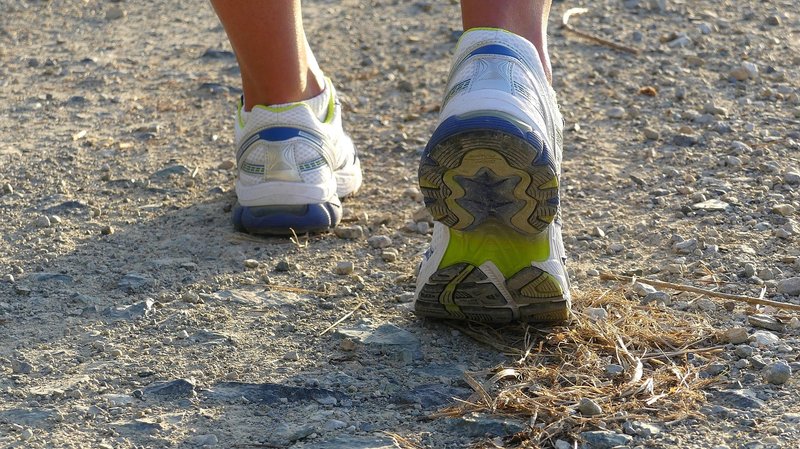

Wall squats once a week can help keep blood pressure down, study finds
 By Kabir SethiEducation Correspondent, Peepals Yuva
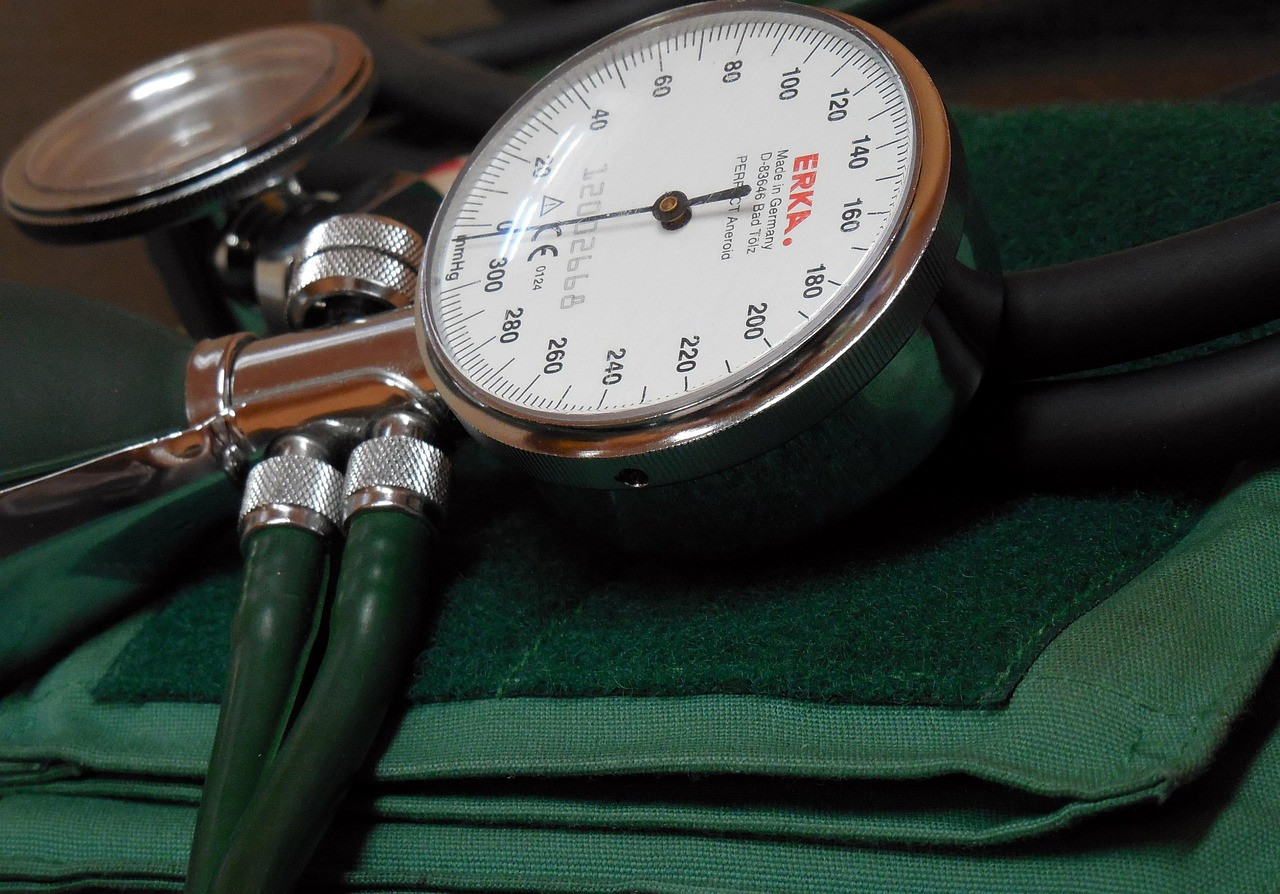
Representative image: succo / Pixabay
A Canterbury Christ Church University trial of 100 adults finds one or two weekly wall-squat sessions keep blood pressure gains; stopping erases them.
What Happened
A single session of wall squats a week may be enough to hold on to some of the blood pressure benefits of this simple exercise, according to a trial by researchers at Canterbury Christ Church University in England, published in BMJ Open Sport & Exercise Medicine and announced in late October 2026. The study followed 100 adults, about 37 years old on average, whose top (systolic) blood pressure sat between 120 and 140 mmHg, the range just above ideal, and none of whom had been diagnosed with high blood pressure. After a month of training three times a week, people who cut back to one or two sessions a week kept much of their improvement, while those who stopped saw their blood pressure return to where it started.
Key Facts
- The trial involved 100 inactive adults with systolic blood pressure between 120 and 140 mmHg and no diagnosis of hypertension.
- Everyone first did wall squats, a static "sitting against a wall" hold, three times a week for four weeks.
- For the next four weeks, groups were assigned to three, two, one or zero sessions a week.
- Those who kept going with one or two sessions a week maintained a reduction in blood pressure, reported at roughly 6.5 to 7 mmHg.
- The biggest benefit was seen in people who kept training three times a week.
- People who stopped completely were back to their starting blood pressure within four weeks.
Why It Matters
Wall squats belong to a family called isometric exercise, where muscles work hard without moving: you hold a position rather than repeating a movement. Planks and handgrip squeezes are other examples. Earlier research from the same university had already ranked isometric exercise among the most effective types of training for lowering blood pressure. The new trial asks a practical question that matters to busy people: once you have the benefit, how little can you do and still keep it?
The answer, at least over a short period, is encouraging. The researchers found that one or two sessions a week were enough to hold on to a meaningful share of the drop. For young professionals juggling long commutes, shift work or study, that is a lower bar than the daily workouts many people assume they need. A wall squat needs no gym, no equipment and only a few minutes, so it can be done at home, in a hostel room or during a break.
The study also carries a clear warning. When people stopped completely, the benefit disappeared within a month. Blood pressure gains, the findings suggest, have to be maintained, not banked. And the most benefit still came from training three times a week, so "once a week" is better understood as a maintenance floor than as an ideal.
There are limits to keep in mind. This was a small trial of about 100 people, the follow-up period was short, and it tested wall squats alone, so the results cannot simply be assumed for planks or other holds. The lead researchers have said it is not yet clear how often people need to train to keep the benefit over the long term.
| Sessions per week (second month) | What happened to blood pressure |
|---|---|
| Three | Largest benefit kept |
| Two | Reduction largely maintained |
| One | Reduction largely maintained, smaller than three a week |
| None | Back to starting level within four weeks |
Impact
Short-term: The findings give people who already exercise a simple option for busy weeks, and may encourage those who find long workouts hard to fit in to start with a few minutes of wall squats.
Long-term: If larger and longer studies confirm the results, doctors and fitness trainers could recommend short isometric routines as an easy, low-cost way to help keep blood pressure in check, especially for people in the "slightly raised" range who are not yet on medicine.
Who is affected: Young and middle-aged adults with blood pressure that is above ideal but not yet high, desk workers and students with little time to exercise, and fitness trainers designing home routines. Anyone with diagnosed high blood pressure, heart disease or joint problems should ask a doctor before starting a new exercise, and should not stop prescribed medicine.
Key Takeaway
A British trial suggests one or two weekly sessions of wall squats can help keep blood pressure lower after a month of regular training, but stopping altogether wipes out the benefit.
Questions and Answers
Can doing wall squats once a week lower blood pressure?
In this trial, people who first trained three times a week for a month and then dropped to once a week kept a reduction in blood pressure over the next four weeks. The largest benefit came from continuing three times a week.
What is a wall squat?
It is an isometric exercise: you lean your back against a wall and slide down until your knees are bent, as if sitting on an invisible chair, then hold the position for a set time without moving.
Who took part in the study?
About 100 inactive adults with an average age of around 37, whose systolic blood pressure was between 120 and 140 mmHg and who had not been diagnosed with hypertension.
Should I replace my blood pressure medicine with wall squats?
No. The study did not test people on medication or with diagnosed hypertension. Anyone being treated for blood pressure should keep taking prescribed medicine and talk to a doctor before changing their exercise routine.
Disclaimer: Prepared by the Peepals newsroom from publicly available sources with AI assistance. Information is accurate to the best of our knowledge at the time of publication and may change. Images may be representative. Not professional advice. Report an error via our contact page.
By Kabir Sethi, Education CorrespondentCovers Education and more for Peepals Yuva. All stories by Kabir Sethi
Get the day's stories in your inbox
Peepals Weekly: the week decoded, free. One email a week, unsubscribe in one click.
Kabir Sethi is a pen name of the Peepals Global Editorial Team, which researches, fact-checks and publishes every story. The portrait is an illustration.