

Cambridge word of the year 2026 is 'human', ahead of 'agent' and 'analogue'
 By Kabir SethiStaff Writer, Peepals Yuva
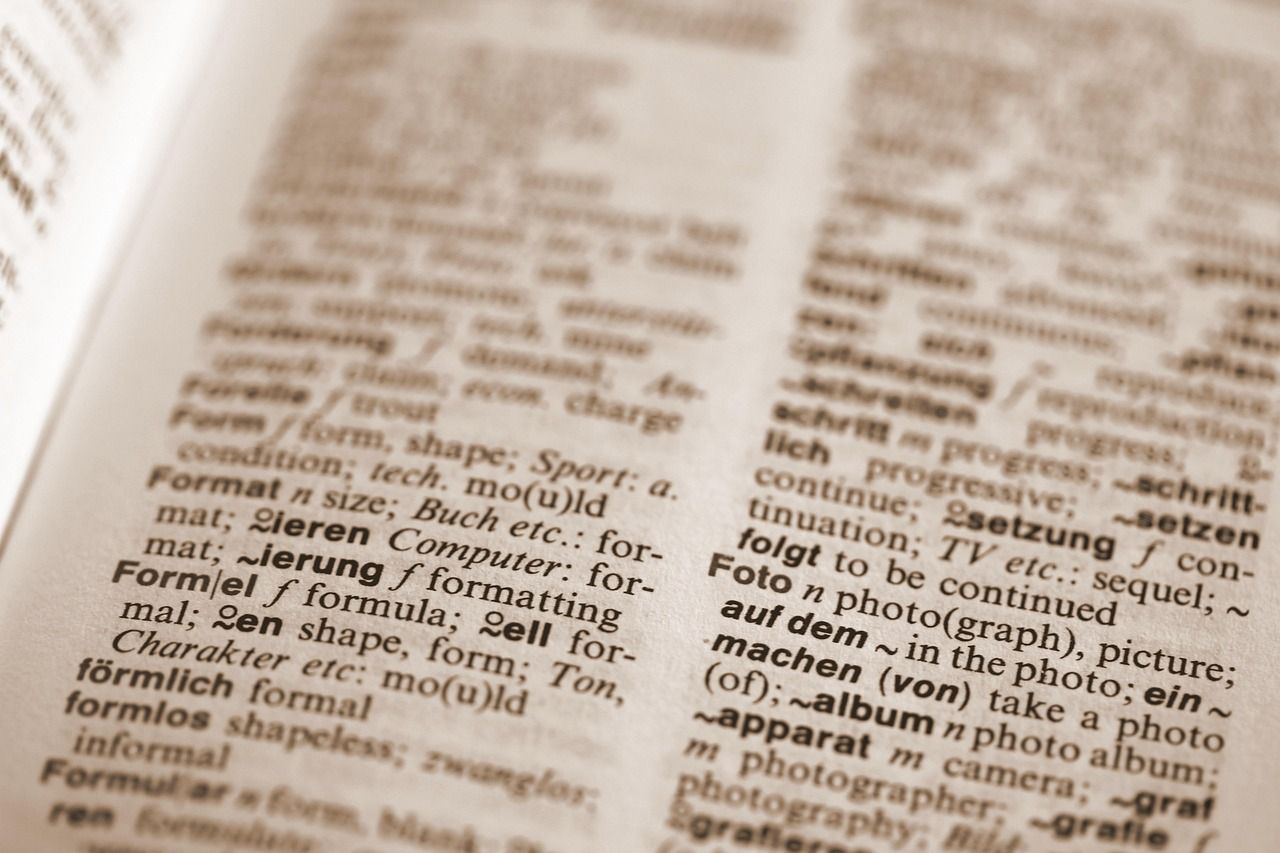
Representative image: Lolame / Pixabay
Cambridge Dictionary named 'human' its word of the year on 17 November 2026, linking the choice to AI, after Collins picked 'mogging' and Dictionary.com 'maxxing'.
Cambridge word of the year 2026: what happened
Cambridge Dictionary named "human" its word of the year for 2026, announcing the choice on Tuesday, 17 November 2026. The dictionary said artificial intelligence (AI) is changing the way people talk about what it means to be a person, and that it had seen more use of "human" in compound words such as "human-made" and "human author". The other words in contention included "agent" and "analogue".
Cambridge word of the year 2026: key facts
- Cambridge Dictionary's 2026 word of the year: "human", announced on 17 November 2026.
- Its definition: having the qualities, faults and feelings that people have, as opposed to gods, animals or machines.
- Origin: from the Latin "humanus", and in use in English since the 1450s.
- Other contenders: "agent", meaning an AI system that can make decisions and act without human control, and "analogue", for experiences or objects that do not involve the internet or digital technology.
- Cambridge lexicographer Colin McIntosh said: "AI is changing how we talk about being human."
- Collins English Dictionary chose "mogging" on 3 November 2026, reporting a 210% rise in its use during the year.
- Dictionary.com chose "maxxing" on 26 October 2026.
Cambridge word of the year 2026: why it matters
Words of the year are a quick snapshot of what people looked up, argued about and joked about. This year the three big English dictionaries landed on two very different moods. Cambridge picked a plain, old word because of a new technology: when chatbots write essays and AI "agents" book tickets, people have started marking things as made by a human, as if that were now a feature worth naming. Its shortlist tells the same story from the other side, with "agent" for the machines and "analogue" for the growing appeal of offline things.
Collins and Dictionary.com went the other way, towards young people's internet slang. Collins defines "mogging" as the act of outshining or outperforming someone or something, and its experts said young people mostly use it in a playful, ironic way when someone is upstaged. The word has been around for about a decade, and its meaning has shifted over that time. Dictionary.com's "maxxing" describes pushing an activity to the fullest or optimising one part of your life.
For Indian students and young professionals who live much of their lives on English-language social media and AI tools, these lists are a useful check on two habits. One is the pressure to "max" and "mog", to optimise everything and outshine others, that runs through much online culture. The other is the quieter value placed on human work, creativity and real-world experience as AI becomes ordinary. Both are now official enough to be in the dictionary.
The Collins shortlist also included "ghost jobs", meaning job ads posted with no real plan to hire, a term that matters to anyone applying for first jobs, and "p(doom)", the estimated chance that AI causes the collapse of human civilisation.
Peepals calculation: "human" has been in English use since the 1450s, so this year's winner is at least 570 years old (2026 − 1450 = 576). A 210% rise in use, as Collins reported for "mogging", means the word was used about 3.1 times as often in 2026 as before (100% + 210% = 310%). Our calculation from the reported figures.
| Dictionary | 2026 word | Announced |
|---|---|---|
| Cambridge Dictionary | human | 17 November 2026 |
| Collins English Dictionary | mogging | 3 November 2026 |
| Dictionary.com | maxxing | 26 October 2026 |
Cambridge word of the year 2026: impact
Short-term: Expect "human" and "human-made" to be used more in marketing, art, writing and hiring, as people and brands set their work apart from AI output.
Long-term: The split between a word about AI and words from online slang suggests that both technology and youth internet culture will keep shaping everyday English.
Who is affected: Students, writers and creators whose work competes with AI output; job seekers who meet "ghost jobs"; and teachers and parents trying to follow young people's online language.
Cambridge word of the year 2026: key takeaway
Use this year's words as a prompt: put your own name and effort on work you made yourself, and treat online "maxxing" and "mogging" culture as slang, not a standard to live by.
Cambridge word of the year 2026: questions and answers
What is Cambridge Dictionary's word of the year 2026?
It is "human", announced on 17 November 2026, chosen because AI has changed how people talk about being human.
What does "mogging" mean?
Collins defines it as the act of outshining or outperforming someone or something; young people often use it jokingly when someone is upstaged.
What does "maxxing" mean?
Dictionary.com describes it as pursuing an activity to the fullest or optimising one part of your life.
Which other words were on the Cambridge shortlist?
The contenders named by the dictionary included "agent", an AI system that can act on its own, and "analogue", for experiences that do not involve the internet or digital technology.
Disclaimer: Prepared by the Peepals newsroom from publicly available sources with AI assistance. Information is accurate to the best of our knowledge at the time of publication and may change. Images may be representative. Not professional advice. Report an error via our contact page.
By Kabir Sethi, Staff WriterCovers Education and more for Peepals Yuva. All stories by Kabir Sethi
Dr Xbox doctor's note: Xbox's DJ Khaled day-off promo for GTA 6 week
India vs Palestine U17: India win 4-1, near AFC U17 Asian Cup spot
Your week ahead, every Sunday. Free.
Exam and result dates, IPOs opening, scheme deadlines, government holidays and the RBI decision for the next 7 days, plus the week's top stories. One email a week, unsubscribe in one click.
Kabir Sethi is a pen name of the Peepals Global Editorial Team, which researches, fact-checks and publishes every story. The portrait is an illustration.
Responsible for this story: the Peepals Global Editorial Team, led by editor Prashant Sonar. How we report