
NASA Voyager 1 hits one light-day from Earth: how to flash VGR
 By Rhea MalhotraStaff Writer, Peepals Yuva
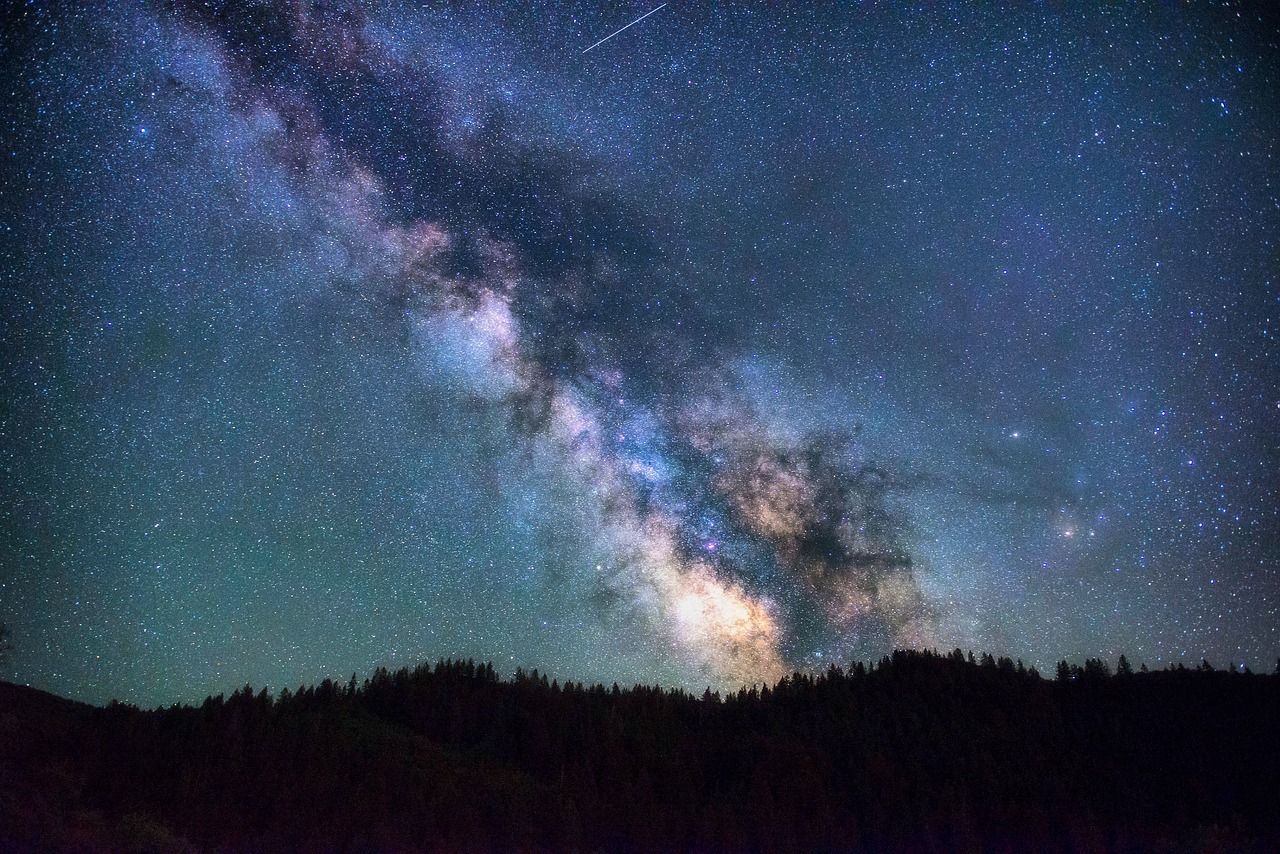
Representative image: Pexels / Pixabay
NASA's Voyager 1 was due to reach one light-day from Earth at 3:46 pm IST on 18 November 2026; NASA asked people to flash its call sign VGR in Morse code.
NASA Voyager 1: what happened
NASA's Voyager 1 spacecraft was due to become the first human-made object to reach one light-day from Earth at about 10:16 UTC, or 3:46 pm India time, on Wednesday, 18 November 2026. At that distance, about 25.9 billion kilometres away, a radio signal sent from Earth takes about 24 hours to reach the probe. To mark the moment, NASA invited people around the world to step outside after sunset on Tuesday, 17 November and flash Voyager's call sign, V-G-R, at the sky in Morse code, using a phone or a torch. The probe was launched in 1977 and is still in contact with Earth.
NASA Voyager 1: key facts
- Milestone: Voyager 1 reaching one light-day from Earth, the first spacecraft to do so.
- Time: about 10:16 UTC on 18 November 2026, which is 3:46 pm IST.
- Distance: roughly 25.9 billion km, or about 16 billion miles.
- Signal delay: a one-way radio message takes about 24 hours.
- Public event: NASA's "Shine Bright for Voyager's Light-Day", after sunset on 17 November.
- Call sign: VGR, flashed in Morse code with a torch or NASA's online flasher.
- Status: both Voyager probes still talk to Earth, though NASA has switched off systems over the years to save power.
NASA Voyager 1: why it matters
Most space news is about launches and new missions. This milestone is about endurance. Voyager 1 has been travelling for close to 50 years, and its distance is now easiest to grasp in time rather than in kilometres: whatever engineers send it today arrives tomorrow. NASA's Voyager project scientist Linda Spilker put it simply, saying that a radio signal sent from Earth "would take exactly 24 hours to reach Voyager 1".
The flash-a-light event was a way to bring that idea down to earth. It was symbolic, not a real message. A torch or a phone screen cannot reach a probe billions of kilometres away; NASA talks to Voyager through its Deep Space Network of large radio dishes. The point was to let ordinary people, students and young sky-watchers feel part of a moment in a mission that started before most of them were born.
For readers who missed Tuesday night, the Morse code is easy to learn and the same signal can be sent any evening. V is three short flashes and one long one. G is two long flashes and one short. R is short, long, short. NASA suggested pausing between letters and repeating the sequence for about a minute, and asked people to photograph or film their signals and share them online, tagging NASA. The agency also put out downloadable graphics and visualisations for the milestone on its science website.
The mission is also a reminder of how hard it is to keep a decades-old machine running. Over the years, NASA has turned off one system after another on the Voyagers to save power, so that the probes can keep sending data home for as long as possible.
Peepals calculation: Voyager 1 launched in 1977, so it has been travelling for about 49 years (2026 − 1977). Covering about 25.9 billion km in that time works out to an average of roughly 60,000 km an hour (25.9 billion ÷ (49 × 365.25 × 24 hours) ≈ 60,300 km/h), or about 530 million km a year (25.9 billion ÷ 49). Our calculation from the reported figures.
| Letter | Morse pattern | How to flash it |
|---|---|---|
| V | short, short, short, long | three quick flashes, then one long |
| G | long, long, short | two long flashes, then one quick |
| R | short, long, short | quick, long, quick |
NASA Voyager 1: impact
Short-term: The milestone and the public event drew people to look up and learn about deep space on an ordinary weekday evening. The NASA flasher and graphics remain online for anyone who wants to try it.
Long-term: Each day takes Voyager 1 further, so the signal delay will keep growing beyond 24 hours. How long the probe keeps working depends on how much power NASA can save by switching off more systems.
Who is affected: Students, amateur astronomers and space fans, especially young people who follow sky events and science online.
NASA Voyager 1: key takeaway
You can still flash V-G-R at the night sky any evening; it will not reach Voyager 1, but it marks a journey that now takes a full day for light itself.
NASA Voyager 1: questions and answers
What does "one light-day from Earth" mean for NASA's Voyager 1?
It means Voyager 1 is so far away, about 25.9 billion km, that light or a radio signal takes about 24 hours to travel from Earth to the spacecraft.
Can a torch signal actually reach Voyager 1?
No. NASA said the flashing was symbolic. The agency communicates with the probe through its Deep Space Network of radio dishes, not with visible light.
How do I flash VGR in Morse code?
Flash V as three short and one long, G as two long and one short, and R as short, long, short. Pause between letters and repeat for about a minute, or use NASA's online flasher on a phone pointed at the sky.
Is Voyager 1 still working?
Yes. Both Voyager probes are still in contact with Earth, although NASA has switched off several systems over the years to conserve their limited power.
Disclaimer: Prepared by the Peepals newsroom from publicly available sources with AI assistance. Information is accurate to the best of our knowledge at the time of publication and may change. Images may be representative. Not professional advice. Report an error via our contact page.
By Rhea Malhotra, Staff WriterCovers Digital Life and more for Peepals Yuva. All stories by Rhea Malhotra
Milburn review: UK urged to guarantee six-month paid jobs for NEET youth
Javokhir Sindarov vs Gukesh: youngest world chess title match starts November 24
Your week ahead, every Sunday. Free.
Exam and result dates, IPOs opening, scheme deadlines, government holidays and the RBI decision for the next 7 days, plus the week's top stories. One email a week, unsubscribe in one click.
Rhea Malhotra is a pen name of the Peepals Global Editorial Team, which researches, fact-checks and publishes every story. The portrait is an illustration.
Responsible for this story: the Peepals Global Editorial Team, led by editor Prashant Sonar. How we report