
Dublin Marathon 2026: record field as Ethiopians Lesa and Jebesa win
 By Kabir SethiEducation Correspondent, Peepals Yuva
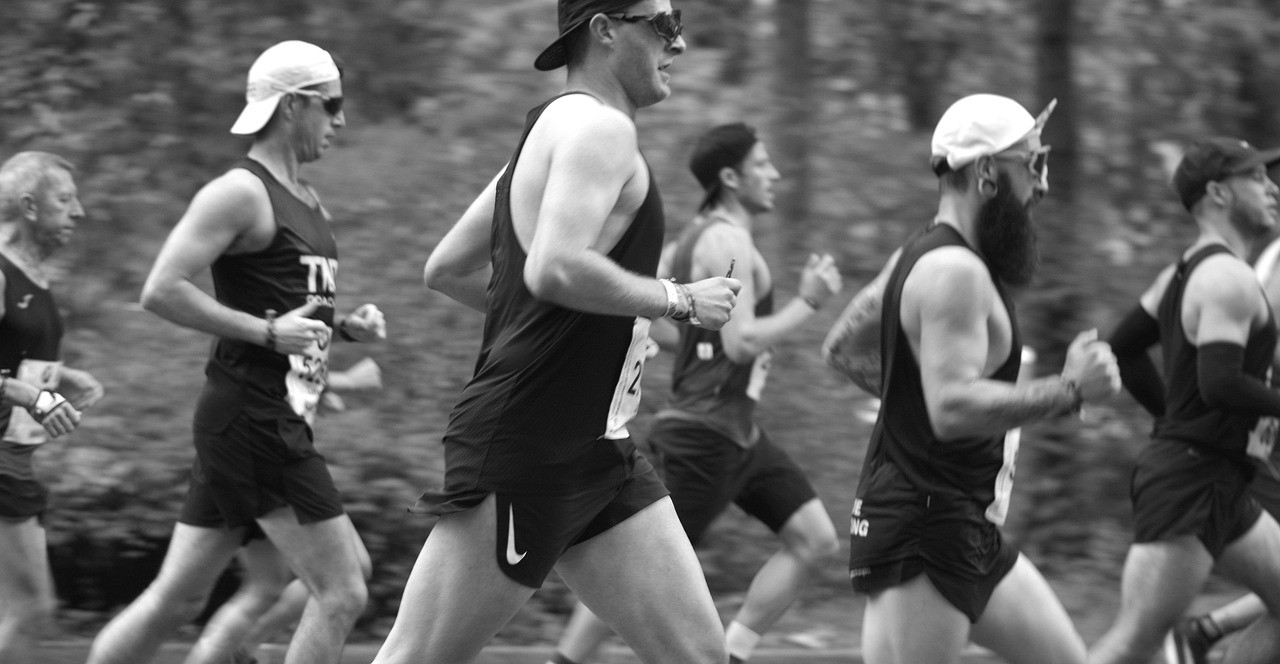
Representative image: wal_172619 / Pixabay
A record 19,190 took part in the Dublin Marathon on October 25, 2026; Ethiopia's Abay Alemu Lesa and Zenebu Fikdau Jebesa won as runners raised about €5.6 million.
What Happened
The 2026 Dublin Marathon, run on Sunday, October 25, 2026, drew the biggest field in the race's history, with organisers counting a record 19,190 participants on a cold, wet and windy morning. Ethiopia's Abay Alemu Lesa won the men's race in 2 hours 10 minutes and 28 seconds after a duel decided on the final turn, and Zenebu Fikdau Jebesa won the women's race in 2:24:26, leading an all-Ethiopian women's podium. Runners had raised about 5.6 million euros for charity by the end of the day, according to reports.
Key Facts
- Date and place: Sunday, October 25, 2026, through the streets of Dublin, Ireland.
- Men's winner: Abay Alemu Lesa of Ethiopia in 2:10:28, six seconds ahead of Sweden's Ebba Tulu Chala.
- Women's winner: Zenebu Fikdau Jebesa of Ethiopia in 2:24:26, ahead of Tenebeb Nega Aynalem (2:25:50) and Sechale Dalasa Adunga (2:27:22).
- Irish national titles went to Hugh Armstrong of Ballina AC (2:14:51) and Judith Storm of City of Derry Spartans AC (2:35:46).
- Organisers counted a record 19,190 participants, including elite runners, wheelchair racers and charity fundraisers; results figures list 18,880 finishers, up from 18,504 in 2025.
- About 5.6 million euros had been raised for charities, according to reports on race day.
- The oldest finisher was 83-year-old Peadar Nugent.
Why It Matters
Big-city marathons have become one of the clearest signs of how fitness culture has changed. A race that once belonged to a few hundred serious athletes now draws tens of thousands of ordinary people, many of them running their first 42.2 kilometres. For young runners, the appeal is not only the medal. Training for a marathon gives a fixed goal, a weekly routine and, through running clubs and charity teams, a ready-made social circle.
The weather made this year's race a test of preparation. Cold rain and wind slow runners down and raise the risk of the body cooling too quickly, especially for those who walk the later stages. The winning times reflect that: Jebesa came close to the women's course record despite the conditions, and the men's race stayed tactical until the last corner. For first-timers, finishing in such weather says more about consistent training, sensible pacing and the right clothing than about speed.
The charity figure is a reminder of how mass running has turned into one of the largest grassroots fundraising events in many countries. Each charity place usually comes with a fundraising target, and runners spend months asking friends, family and colleagues to sponsor their miles. Dublin's 5.6 million euros came from thousands of such small efforts.
For Indian readers, Dublin's numbers mirror what is happening at home, where city marathons and half marathons now attract large fields of young professionals and students. The lessons from Dublin carry over: build up mileage over months rather than weeks, practise in the conditions expected on race day, and treat the event as part of a long-term fitness habit rather than a one-off challenge. Anyone with a heart condition or other health concern should get medical advice before training for an endurance race.
| Category | Winner | Time |
|---|---|---|
| Men's race | Abay Alemu Lesa (Ethiopia) | 2:10:28 |
| Women's race | Zenebu Fikdau Jebesa (Ethiopia) | 2:24:26 |
| Irish men's title | Hugh Armstrong (Ballina AC) | 2:14:51 |
| Irish women's title | Judith Storm (City of Derry Spartans AC) | 2:35:46 |
Impact
Short-term: The record field and the charity total give Dublin's organisers a strong case to keep expanding the race, and thousands of first-time finishers now have a marathon behind them.
Long-term: Growth in mass participation suggests running will keep its place as one of the most popular low-cost fitness habits for young adults, with running clubs and charity teams serving as social networks as much as training groups.
Who is affected: Recreational runners, especially young people looking for a structured fitness goal; running clubs; charities that rely on marathon fundraising; and race organisers in other cities, including in India, who watch participation trends.
Key Takeaway
A record 19,190 people took part in the Dublin Marathon on October 25, 2026, where Ethiopia's Abay Alemu Lesa (2:10:28) and Zenebu Fikdau Jebesa (2:24:26) won in cold, wet conditions and runners raised about 5.6 million euros for charity.
Questions and Answers
Who won the Dublin Marathon 2026?
Ethiopia's Abay Alemu Lesa won the men's race in 2:10:28, and his compatriot Zenebu Fikdau Jebesa won the women's race in 2:24:26. The race was held on October 25, 2026.
How many people ran the Dublin Marathon 2026?
Organisers counted a record 19,190 participants. Results figures list 18,880 finishers, up from 18,504 in 2025.
How much money did the Dublin Marathon raise for charity?
Reports on race day put the total raised for charities at about 5.6 million euros, and the figure may rise as late donations come in.
What can a first-time marathon runner learn from Dublin's wet race?
Steady training over several months, practising in bad weather, sensible pacing and suitable clothing matter more than speed. Anyone with a health concern should consult a doctor before training for a marathon.
Disclaimer: Prepared by the Peepals newsroom from publicly available sources with AI assistance. Information is accurate to the best of our knowledge at the time of publication and may change. Images may be representative. Not professional advice. Report an error via our contact page.
By Kabir Sethi, Education CorrespondentCovers Education and more for Peepals Yuva. All stories by Kabir Sethi
Get the day's stories in your inbox
Peepals Weekly: the week decoded, free. One email a week, unsubscribe in one click.
Kabir Sethi is a pen name of the Peepals Global Editorial Team, which researches, fact-checks and publishes every story. The portrait is an illustration.