
Gen Z Fashion Trends India 2026
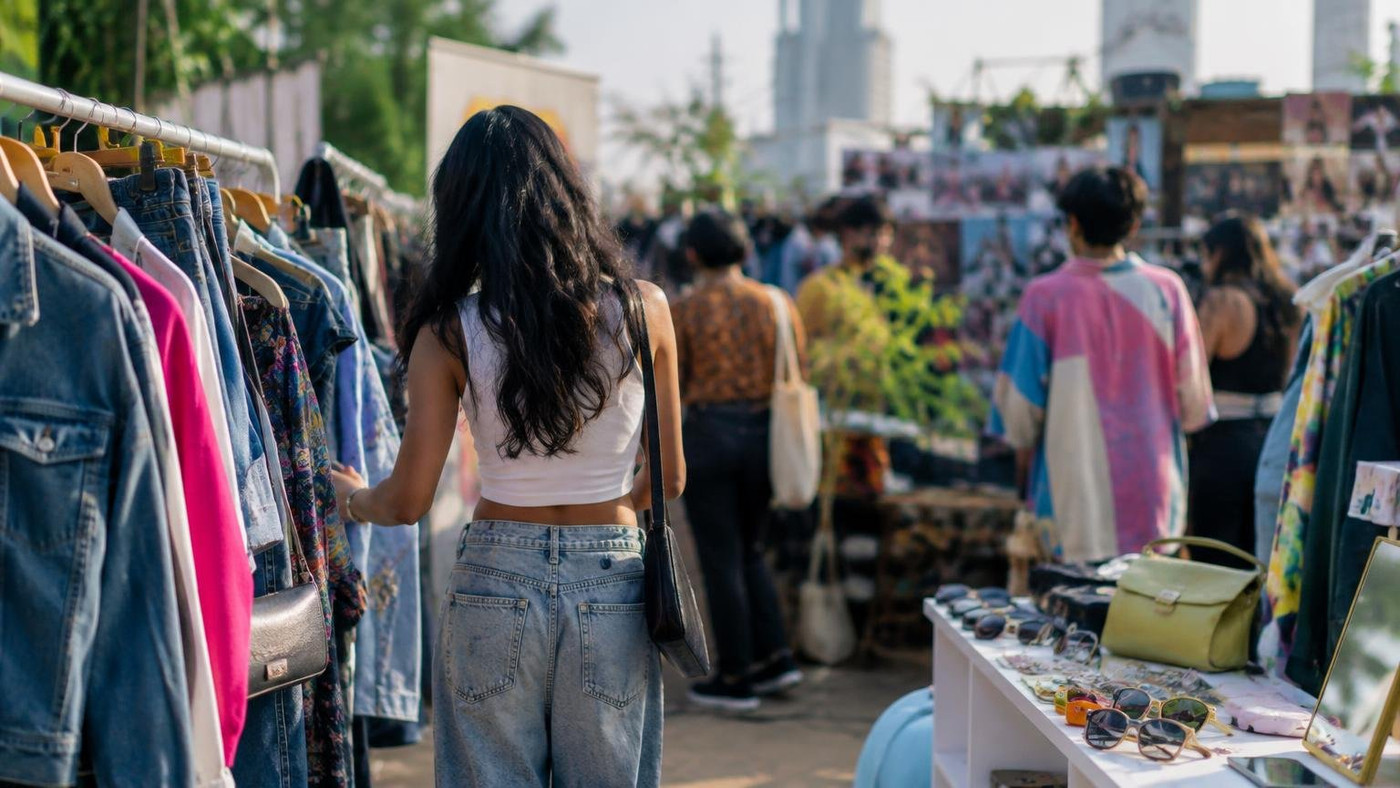
AI-generated representative image
Gen Z fashion trends in India in 2026 centre on Y2K revival, thrift and sustainable buying, and gender-fluid dressing, shaping how brands and young designers plan.
What Happened
Gen Z fashion trends in India in 2026 are led by three styles: the Y2K revival, sustainable and thrifted clothing, and gender-fluid dressing. Style guides and trade blogs published through 2026 describe all three as mainstream on campuses, streets and social feeds. These are trend assessments, not official data. They still show where young Indian shoppers are spending attention and money, and where brands, designers and design students may find work.
Key Facts
- Y2K, short for year 2000, means the late 1990s and early 2000s look. House of Chikankari describes it as bold colours, metallic accents and playful prints, with baby tees, low-rise jeans, butterfly clips and platform shoes.
- House of Anit says the Y2K trend in India has a local twist, with traditional jewellery, regional-language graphics and Bollywood nostalgia. IDeA, a design school, lists Bandhni hoodies, saree skirts and kurta layering as examples.
- JD Institute says thrifting, upcycling and conscious shopping are major parts of Gen Z fashion in 2026. The IDeA guide points to Sarojini Nagar market hauls, OLX finds and reworked family sarees.
- Fortune Business Insights estimates that around 62% of Gen Z shoppers check thrift stores before buying new items. It expects the global resale market to reach USD 82 billion in 2026.
- Fortune Business Insights values India's Gen Z fashion market at USD 18.56 billion in 2025, about 8.16% of the global market. These are the research firm's estimates, not government figures.
- JD Institute says demand for gender-neutral cuts and size-inclusive brands is pushing designers toward adjustable, wrap-style and oversized garments. The IDeA guide cites one student who sold 50 pieces of a gender-fluid kurta capsule collection in 30 days.
- Redseer tracking data showed fashion on quick-commerce apps growing about 340% year on year in January 2026. The same research note says quick commerce handles about 1% of online apparel, footwear and accessories, against about 70% of online grocery.
- The note also says only 4% of Indian households buy clothes exclusively online, and 81% cite touch, feel and try-on as the reason to shop in store.
Why It Matters
The three trends show that young Indian buyers are not copying global fashion. They are remixing it. House of Chikankari says Gen Z pairs printed Chikankari short kurtas with low-rise jeans and platforms. JD Institute says Y2K looks are now styled with sustainable fabrics and more structured tailoring.
Sustainability and thrift link fashion to affordability. Qikink, a print-on-demand firm, says young buyers prefer brands that use eco-friendly materials and ethical production. Market figures on resale are mostly global, so they indicate direction rather than measure Indian behaviour.
Gender-fluid dressing is also blending with Indian clothing. The IDeA guide suggests a men's kurta with wide-leg trousers, a saree over cargo pants, and an oversized hoodie with dhoti pants. Qikink says mixing traditional patterns into androgynous cuts makes the style relatable to young consumers.
Trend cycles are getting shorter. Fashion-a-holic says the average micro-trend lifespan has fallen from about 18 months to roughly six months. It says sustainability is now a basic expectation. This is the publication's assessment, not an industry-wide measurement.
Some figures need care. The IDeA guide says 72% of Gen Z prioritise sustainability, 65% like Y2K nostalgia and 58% support gender-fluid fashion. It does not state how these were gathered. Most trend material also comes from brands, schools and marketers, and few independent surveys cover India.
Impact
Short-term: Brands face pressure to offer credible fabrics, resale options and gender-inclusive sizing rather than one-off collections, according to Fashion-a-holic. Online and e-commerce channels hold the largest share of Gen Z fashion sales, says Fortune Business Insights, helped by social media discovery and in-app purchase. Quick commerce is a new channel, but it is still niche for apparel. Trend-led basics, accessories and quick fixes are the likelier fit.
Long-term: Shorter trend cycles of about six months mean brands must plan faster and read social data closely. Market-size figures are projections from research firms and should be treated as estimates. Quick-commerce growth is large in percentage terms but small in rupee terms. Readers planning careers or ventures can track how brands and platforms report real sales through the 2026 festive season.
Who is affected: Design students and early-stage founders are most directly affected. Fashion schools such as IDeA teach students to read social analytics, build Y2K-desi fusion collections and run upcycling workshops. They also point to internships at brands such as Myntra and Zara. Upcycling, resale, small-batch printing and inclusive sizing are areas where a founder can start with low capital. Established brands and print-on-demand firms are also affected.
Key Takeaway
Gen Z's 2026 style in India mixes global trends with local craft, thrift and gender-neutral cuts, while trend cycles have shortened to roughly six months.
Questions and Answers
What are the main Gen Z fashion trends in India in 2026?
Gen Z fashion trends in India in 2026 are led by the Y2K revival, sustainable and thrifted clothing, and gender-fluid dressing. Style guides describe all three as mainstream on campuses, streets and social feeds.
What is Y2K fashion?
Y2K fashion refers to the late 1990s and early 2000s look, with bold colours, metallic accents and playful prints. Typical pieces include baby tees, low-rise jeans, butterfly clips and platform shoes.
How big is India's Gen Z fashion market?
Fortune Business Insights values India's Gen Z fashion market at USD 18.56 billion in 2025, about 8.16% of the global market. This is a research firm's estimate, not a government figure.
Is quick commerce important for fashion in India?
Not yet. Fashion on quick-commerce apps grew about 340% year on year in January 2026, but quick commerce handles only about 1% of online apparel, footwear and accessories.
Disclaimer: Prepared by the Peepals newsroom from publicly available sources with AI assistance. Information is accurate to the best of our knowledge at the time of publication and may change. Images may be representative. Not professional advice. Report an error via our contact page.
Sourced and fact-checked by the Peepals Global Editorial Team
Wristwatch Trend in India: Analog Revival and Smartwatches Shape Youth Fashion
Gen Z borrows more on cards and pay-later plans but wants to invest more, Deloitte finds
Reported, fact-checked and published by the Peepals Global Editorial Team.