
GRAP 1 imposed in Delhi-NCR as AQI hits 244: what changes for you
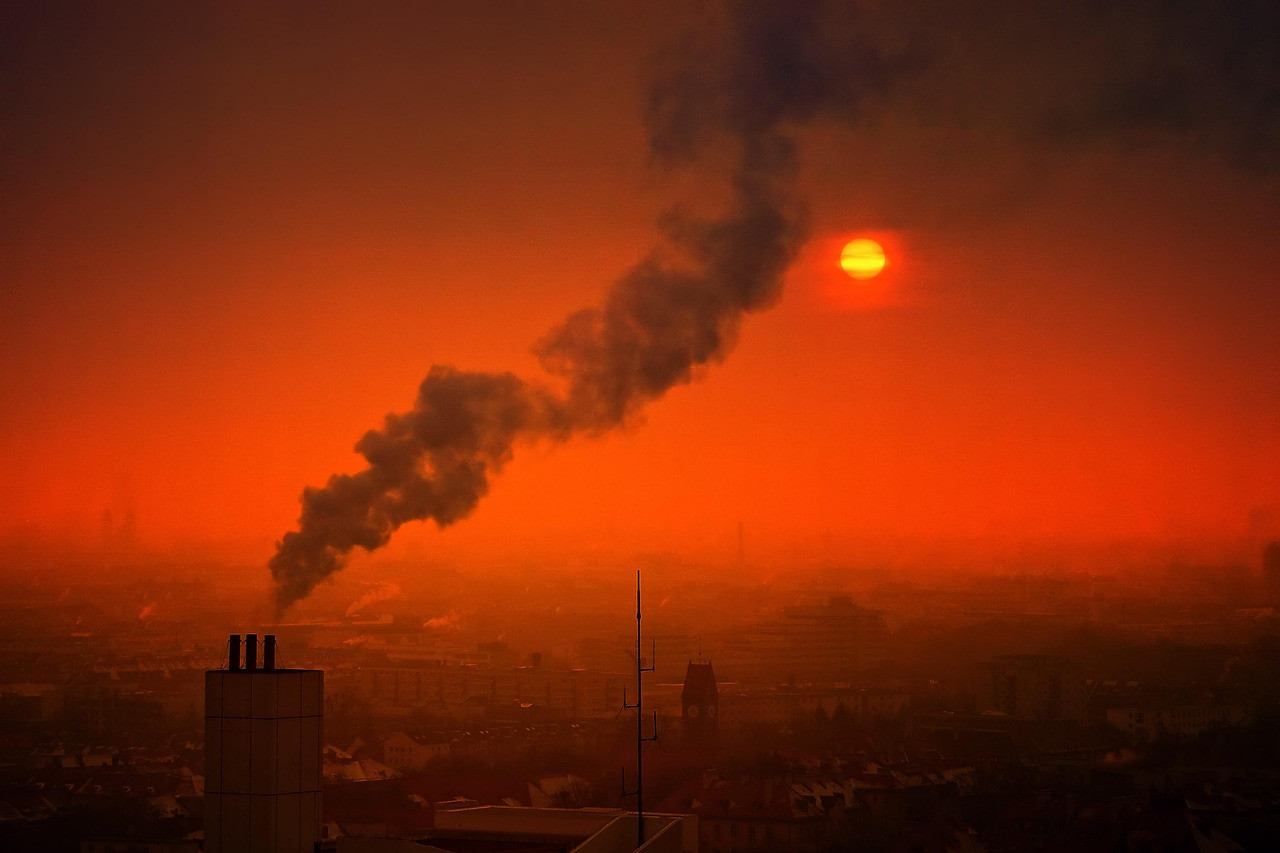
Representative image: jplenio / Pixabay
The air quality commission imposed GRAP Stage 1 across Delhi-NCR on October 21, 2026, after Delhi's AQI rose to 244 at 2 pm, banning coal in tandoors and curbing diesel generators.
What Happened
The Commission for Air Quality Management (CAQM) imposed Stage 1 of the Graded Response Action Plan (GRAP) across the whole of Delhi-NCR with immediate effect on Wednesday, October 21, 2026, after Delhi's air quality slipped into the "poor" category. Delhi's Air Quality Index (AQI) rose from 179, which is "moderate", on October 20 to 244 at 2 pm on October 21. Forecasts from the India Meteorological Department and the Indian Institute of Tropical Meteorology predicted that air quality would stay "poor" in the coming days, the commission said.
Key Facts
- GRAP Stage 1 is in force across Delhi-NCR from October 21, 2026, with immediate effect.
- Delhi's AQI: 179 (moderate) on October 20; 244 (poor) at 2 pm on October 21.
- Use of coal and firewood in tandoors at hotels, restaurants and open eateries is banned.
- Use of diesel generators is restricted.
- Road sweeping, water sprinkling and dust control at construction sites are to be stepped up.
- The order covers Delhi and the NCR districts of Haryana, Uttar Pradesh and Rajasthan.
- A GRAP sub-committee will keep monitoring and may tighten or relax measures.
Why It Matters
GRAP is a set of emergency steps that kicks in as air quality worsens. Stage 1 applies when the AQI is "poor" (201 to 300), Stage 2 when it is "very poor" (301 to 400), Stage 3 when it is "severe" (401 to 450) and Stage 4 when it is "severe plus" (above 450). Each stage adds stricter rules, and the restrictions of lower stages continue at higher ones. Stage 1 is the first warning of the winter pollution season, when falling temperatures, calm winds, crop-residue burning in neighbouring states and festival-season traffic combine to trap pollution over the region.
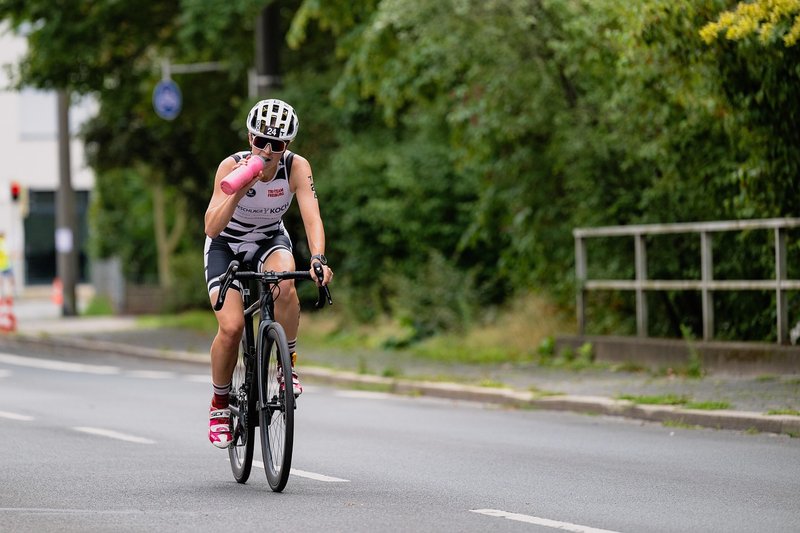
For young people in Delhi-NCR, Stage 1 is a signal to start planning around the air. Many students and young professionals run, cycle or play sport outdoors in the early morning and evening, which is when pollution near the ground is often high in winter. An AQI of 244 is classed as "poor", a level at which people with breathing problems may feel discomfort after long exposure, according to the official AQI scale. Simple steps help: checking the AQI on official apps before going out, shifting intense workouts indoors or to times when air quality is better, and keeping masks ready for days that worsen.
The rules themselves will change little in daily life at this stage. The tandoor ban will affect restaurants and street food stalls that use coal or wood, and the generator restriction matters for events and housing societies that rely on backup power. Construction sites face closer dust checks. If air quality worsens to "very poor", the stricter steps of Stage 2 could follow.
Residents have also been urged to follow the citizen charter for Stage 1, the set of voluntary steps the commission publishes for the public at each stage.
| AQI range | Category | GRAP stage |
|---|---|---|
| 201-300 | Poor | Stage 1 |
| 301-400 | Very poor | Stage 2 |
| 401-450 | Severe | Stage 3 |
| Above 450 | Severe plus | Stage 4 |
Impact
Short-term: Restaurants and eateries must stop using coal and firewood in tandoors, diesel generator use is curbed, and civic bodies will step up dust control and road cleaning across Delhi-NCR.
Long-term: Stage 1 often marks the start of a months-long pollution season. If the AQI keeps rising, tighter stages will follow, affecting construction work, vehicle use and outdoor activities for schools and colleges.
Who is affected: Everyone in Delhi-NCR, especially people who exercise or work outdoors, those with asthma or other breathing conditions, restaurant and food stall owners, construction firms and event organisers.
Key Takeaway
GRAP Stage 1 is now in force across Delhi-NCR after the AQI hit 244 on October 21, 2026, signalling the start of the winter pollution season and a good moment to plan outdoor activity around the air.
Questions and Answers
What is GRAP 1 and when was it imposed?
GRAP Stage 1 is the first level of the Graded Response Action Plan for Delhi-NCR, applied when air quality is "poor". The Commission for Air Quality Management imposed it with immediate effect on October 21, 2026, after Delhi's AQI reached 244 at 2 pm.
What is banned under GRAP Stage 1?
Coal and firewood in tandoors at hotels, restaurants and open eateries are banned, diesel generator use is restricted, and authorities must step up road sweeping, water sprinkling and dust control at construction sites.
Which areas does GRAP 1 cover?
It covers Delhi and the NCR areas of Haryana, Uttar Pradesh and Rajasthan.
What should young people who exercise outdoors do?
Check the AQI on official apps before going out, move intense workouts indoors or to times of better air, and keep masks ready. People with breathing conditions should be especially careful as pollution rises.
Disclaimer: Prepared by the Peepals newsroom from publicly available sources with AI assistance. Information is accurate to the best of our knowledge at the time of publication and may change. Images may be representative. Not professional advice. Report an error via our contact page.
Sourced and fact-checked by the Peepals Global Editorial Team
RRB Station Master recruitment 2026: 1,250 posts, apply from October 27
NEET UG 2026 stray round: 3,108 seats allotted, report by October 26
Reported, fact-checked and published by the Peepals Global Editorial Team.