
Loneliness hits quality of life hardest among 15 to 24-year-olds, Monash study finds
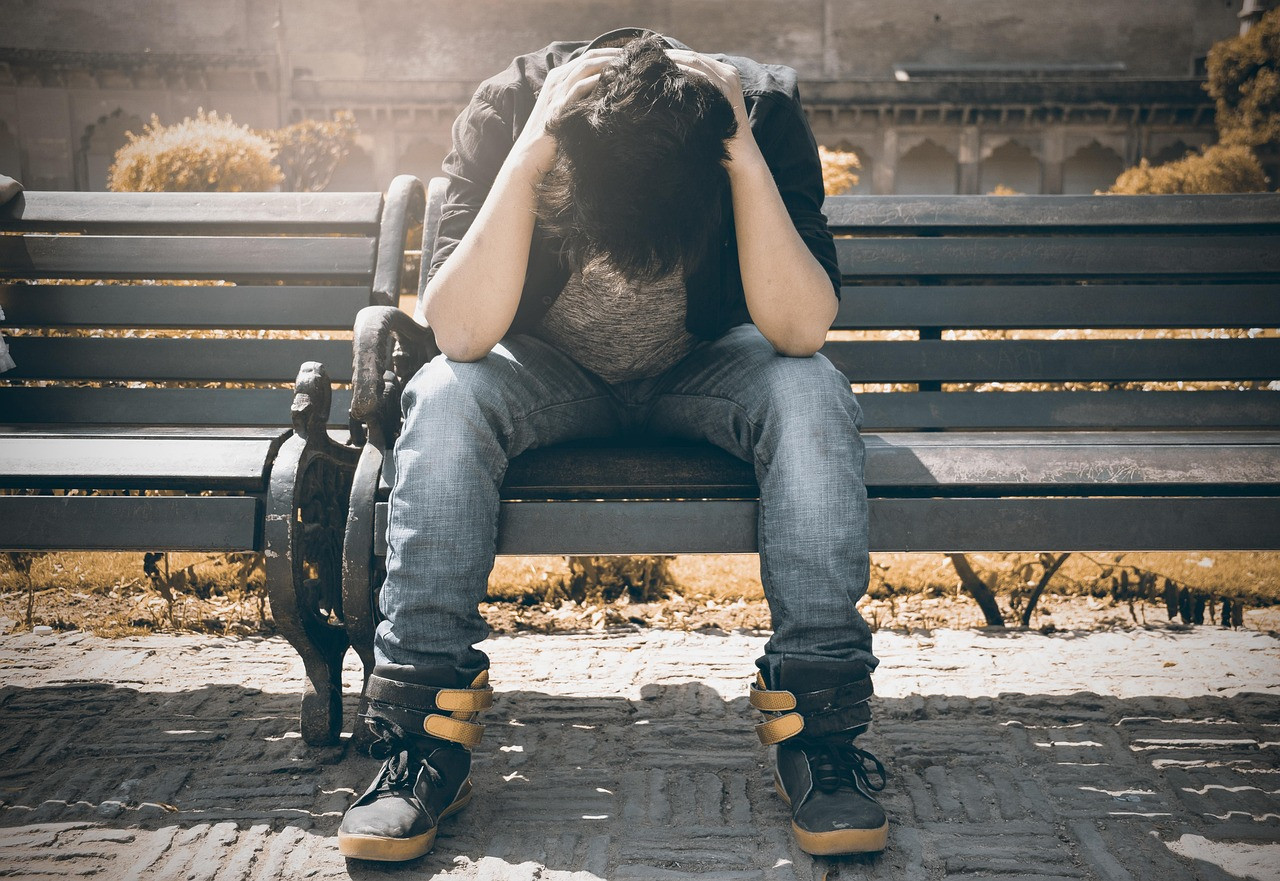
Representative image: Inzmam / Pixabay
A Monash University study highlighted on 12 October 2026 finds loneliness is linked to the biggest quality-of-life drop among people aged 15 to 24.
What Happened
Young people aged 15 to 24 take a bigger hit to their everyday quality of life from loneliness than any other age group, according to a Monash University study that the university highlighted on 12 October 2026. The research, led by Dr Fikru Rizal with Professor Cathy Mihalopoulos as senior author and published in the journal Value in Health, analysed four waves of Australia's long-running HILDA household survey. It separated two things that are often lumped together: loneliness, which is the feeling of being alone, and social isolation, which is having few social contacts. The journal has named the paper one of its 2026 Editor's Choice articles.
Key Facts
- The study covered 53,108 survey observations from 21,965 Australians aged 15 and over.
- About 20 per cent of the observations involved loneliness, social isolation or both.
- Across all ages, loneliness alone was linked to a quality-of-life score 0.061 points lower than for people with neither problem; social isolation alone was linked to a 0.020 drop.
- People who were both lonely and isolated scored 0.102 points lower, more than the two effects added together.
- Among 15 to 24-year-olds, loneliness was linked to a 0.079-point drop, the largest of any age band.
- 18 per cent of people aged 15 to 24 reported loneliness on its own, against 12 per cent of those aged 65 and over.
- Social isolation hit hardest among women aged 25 to 44.
Why It Matters
The study measures something called health utility, a score that health economists use to compare very different conditions on one scale. A score of 1.0 means full health and 0 means death. Differences that look small on paper, a few hundredths of a point, are the same kind of gaps used to judge whether a treatment for a physical illness is worth paying for. By putting loneliness on that scale, the researchers give policymakers a way to compare it with other health problems and to ask whether programmes that tackle it are good value. Professor Mihalopoulos made that point when presenting the work.
The age pattern runs against a common assumption. Public conversations about loneliness often focus on older people living alone. This study found that older Australians were more likely to be socially isolated, but that the feeling of loneliness was more common among the young and was tied to a sharper fall in their wellbeing. Late teens and early twenties are a period of change: moving for study or work, ending school friendships, starting jobs and, for many, living alone for the first time. A person can have a full contact list and a busy social media feed and still feel alone.
The second finding, that being both lonely and isolated is worse than the sum of the two, suggests the problems feed each other. Someone who feels alone may withdraw further, and someone with few contacts has fewer chances to feel connected.
There are limits. The study shows an association in survey data, not proof that loneliness causes poorer quality of life; poor health can also make people lonelier. The data are Australian, so the exact numbers may not carry over to India or elsewhere, though surveys in many countries also point to high loneliness among young adults.
| Group | Measure | Finding |
|---|---|---|
| All ages, loneliness only | Drop in quality-of-life score | 0.061 |
| All ages, isolation only | Drop in quality-of-life score | 0.020 |
| All ages, both | Drop in quality-of-life score | 0.102 |
| Aged 15 to 24, loneliness | Drop in quality-of-life score | 0.079 |
Impact
Short-term: The study adds weight to calls for schools, colleges and employers to treat loneliness as a wellbeing issue, not a private matter, and gives young people a reason to take the feeling seriously rather than brush it off.
Long-term: Because the results are expressed on the same scale used to fund health care, they could be used to build the case for paying for social connection programmes, from peer groups on campus to community activities, in the same way as other health services.
Who is affected: Students and young workers, especially those who have moved away from home or live alone; women in their late twenties to mid-forties, for whom isolation showed the strongest link; and health planners, universities and employers deciding where to invest in wellbeing.
Key Takeaway
A large Australian study finds loneliness is linked to the steepest fall in quality of life among 15 to 24-year-olds, and that being both lonely and isolated is worse than either alone.
Questions and Answers
What is the difference between loneliness and social isolation?
Social isolation means having few social contacts or little contact with others. Loneliness is the painful feeling of being alone or disconnected, which can happen even to people who see others every day.
Which age group was most affected by loneliness in the Monash study?
People aged 15 to 24. Loneliness in this group was linked to a 0.079-point drop on a quality-of-life scale that runs from 0 to 1, the largest drop of any age group, and 18 per cent of them reported loneliness on its own.
Does the study prove loneliness makes young people less healthy?
No. It found a strong link in survey data from almost 22,000 Australians, but it cannot rule out that poor health also makes people lonelier. The authors present the results as associations.
Why does putting loneliness on a health score matter?
Health systems use these scores to compare conditions and decide which treatments are worth funding. Measuring loneliness the same way lets governments weigh programmes that reduce it against other health spending.
Disclaimer: Prepared by the Peepals newsroom from publicly available sources with AI assistance. Information is accurate to the best of our knowledge at the time of publication and may change. Images may be representative. Not professional advice. Report an error via our contact page.
Sourced and fact-checked by the Peepals Global Editorial Team
UP Board 2027 date sheet out: Class 10, 12 exams from February 5 to 24 in two shifts
'Gymcations' rise: 53% of Indian travellers seek gyms on holiday, Skyscanner finds
Reported, fact-checked and published by the Peepals Global Editorial Team.