
National Book Trust survey: Gen Z readers pick thrillers, Korean fiction, Kabir
 By Aarav DeshpandeSports Correspondent, Peepals Yuva
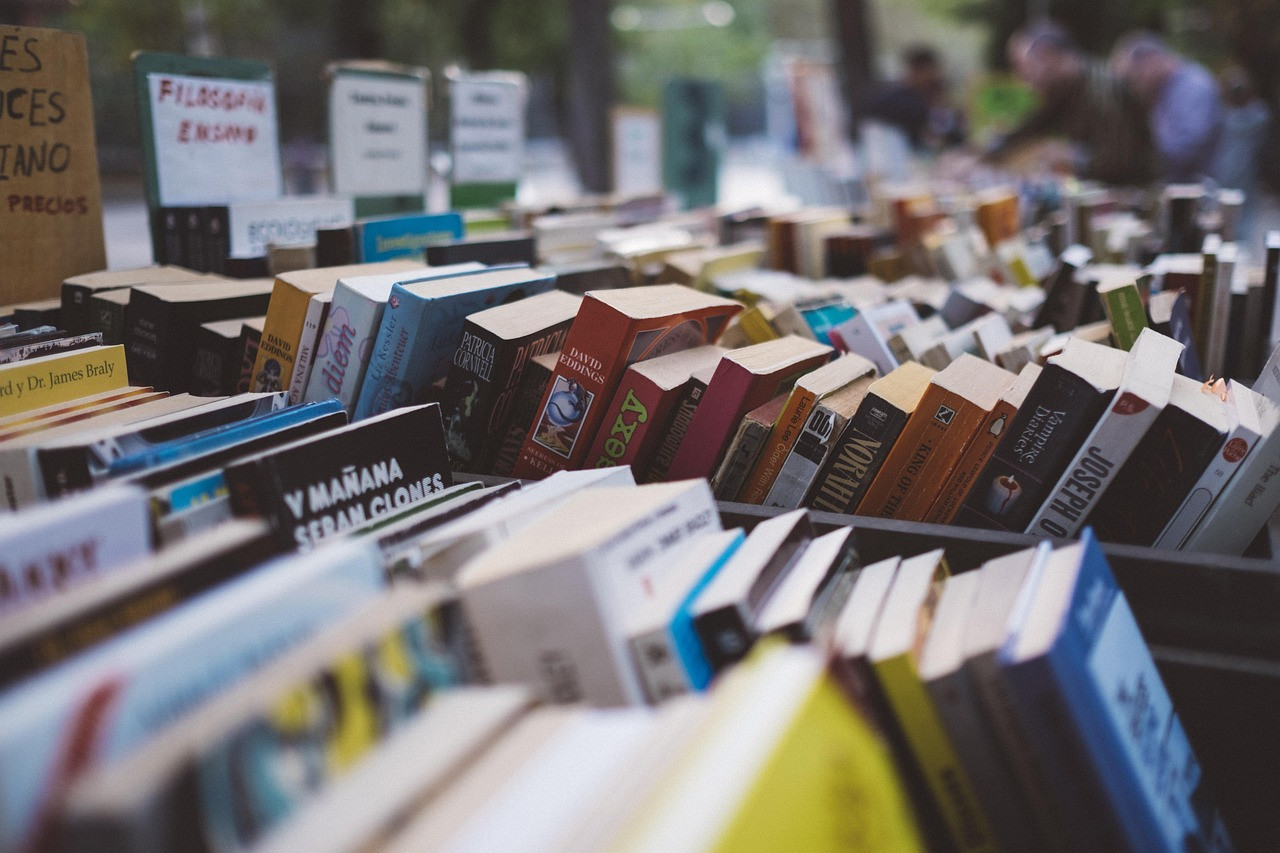
Representative image: Pexels / Pixabay
A National Book Trust study of 3,650 young buyers at the New Delhi World Book Fair, reported on 4 November 2026, finds Gen Z still prefer print.
What Happened
The National Book Trust (NBT), the government publisher that runs the New Delhi World Book Fair, has released its first study of what young Indians buy and read, findings reported on Wednesday, 4 November 2026. The study is based on young visitors who bought books at the fair in January 2026, a sample reported as 3,650 people who together spent about Rs 59 lakh on books. It finds a wide, outward-looking taste, from psychological thrillers and Korean fiction to the poetry of Kabir, and a continuing preference for printed books.
Key Facts
- Who: the National Book Trust, India, which organises the New Delhi World Book Fair.
- Basis: a survey of young book buyers at the New Delhi World Book Fair held in January 2026; one report gives the sample as 3,650 visitors, another as over 3,600.
- Spending: the surveyed visitors together spent about Rs 59 lakh on books.
- Who was surveyed: college students made up around 40% of the surveyed attendees.
- What they read: psychological thrillers such as The Silent Patient and Yellowface, Korean fiction such as The Vegetarian, and the poetry of Kabir.
- Format: young readers still prefer physical copies, the study says.
- Languages: demand for books in regional languages is growing, but within smaller groups of readers.
- Why they buy: purchases depend on content dealing with identity, belonging and current social issues, according to the report.
- NBT's suggestion: take book fairs beyond the national capital to reach more young readers.
Why It Matters
Young Indians are often described as a generation that scrolls rather than reads. This study offers a rare set of real buying data that complicates that picture. Thousands of young visitors chose to spend their own money on books at a fair, and many of the titles they picked were translated or international works, alongside Indian classics such as Kabir. The NBT reads this as a sign of cosmopolitan tastes and curiosity about cultures beyond their own.
The finding on print is also worth noting. E-books and audiobooks are easy to get on a phone, yet the surveyed readers still liked holding a book. For publishers and bookshops, that is a reason to keep investing in affordable paperbacks and in events where young people can browse in person.
There are limits to what the study can say. It covers only people who went to one book fair in Delhi and bought something there, so it describes keen readers rather than all young Indians. The NBT's own recommendation, to hold book fairs in more cities, recognises that gap: readers in smaller towns, and in regional languages, are not well captured by a sample drawn from the capital.
Peepals calculation: Rs 59 lakh spread over 3,650 buyers is an average of about Rs 1,616 per young buyer (59,00,000 ÷ 3,650). With college students at around 40% of those surveyed, that is roughly 1,460 students (3,650 × 0.40). The sample is less than 0.2% of the fair's estimated 20 lakh visitors (3,650 ÷ 20,00,000 = 0.18%). Our calculation from the reported figures.
| Item | Figure |
|---|---|
| Young buyers surveyed | 3,650 (reported) |
| Total spent on books | About Rs 59 lakh |
| Share who were college students | Around 40% |
| Estimated total fair visitors | About 20 lakh |
Impact
Short-term: Publishers and booksellers have fresh evidence of what sells to young buyers: thrillers, translated fiction, poetry and books about identity and society. This may shape stock and promotions for the next fair.
Long-term: If the NBT acts on its own recommendation and takes book fairs to more cities, more young people outside Delhi could get the same access to a wide range of titles, including books in their own languages.
Who is affected: Students and young readers; publishers, translators and bookshops; organisers of literary festivals and book fairs; and the National Book Trust, which plans the World Book Fair.
Key Takeaway
The National Book Trust's first youth reading study, based on 3,650 young buyers who spent about Rs 59 lakh at the 2026 World Book Fair, finds Gen Z reading widely and still choosing print.
Questions and Answers
What did the National Book Trust's Gen Z survey find?
Young buyers at the New Delhi World Book Fair picked psychological thrillers, Korean fiction and Kabir's poetry, preferred printed books, and chose titles about identity, belonging and social issues, according to the NBT study reported on 4 November 2026.
How many young readers were surveyed?
The sample is reported as 3,650 visitors who bought books at the January 2026 fair, and together they spent about Rs 59 lakh.
Do young Indians still read printed books?
Among the young buyers in this study, yes. The NBT says they continue to prefer physical copies, though the sample covers keen readers at one Delhi book fair, not all young Indians.
What does the NBT recommend?
The NBT suggests taking book fairs beyond Delhi to reach more young readers, including those who want books in regional languages.
Disclaimer: Prepared by the Peepals newsroom from publicly available sources with AI assistance. Information is accurate to the best of our knowledge at the time of publication and may change. Images may be representative. Not professional advice. Report an error via our contact page.
By Aarav Deshpande, Sports CorrespondentCovers Sports and more for Peepals Yuva. All stories by Aarav Deshpande
RRB Station Master 2026: 1,265 graduate posts, apply by November 25
Ocarina of Time remake launches on Switch 2 with 96 Metacritic score
Get the day's stories in your inbox
Peepals Weekly: the week decoded, free. One email a week, unsubscribe in one click.
Aarav Deshpande is a pen name of the Peepals Global Editorial Team, which researches, fact-checks and publishes every story. The portrait is an illustration.